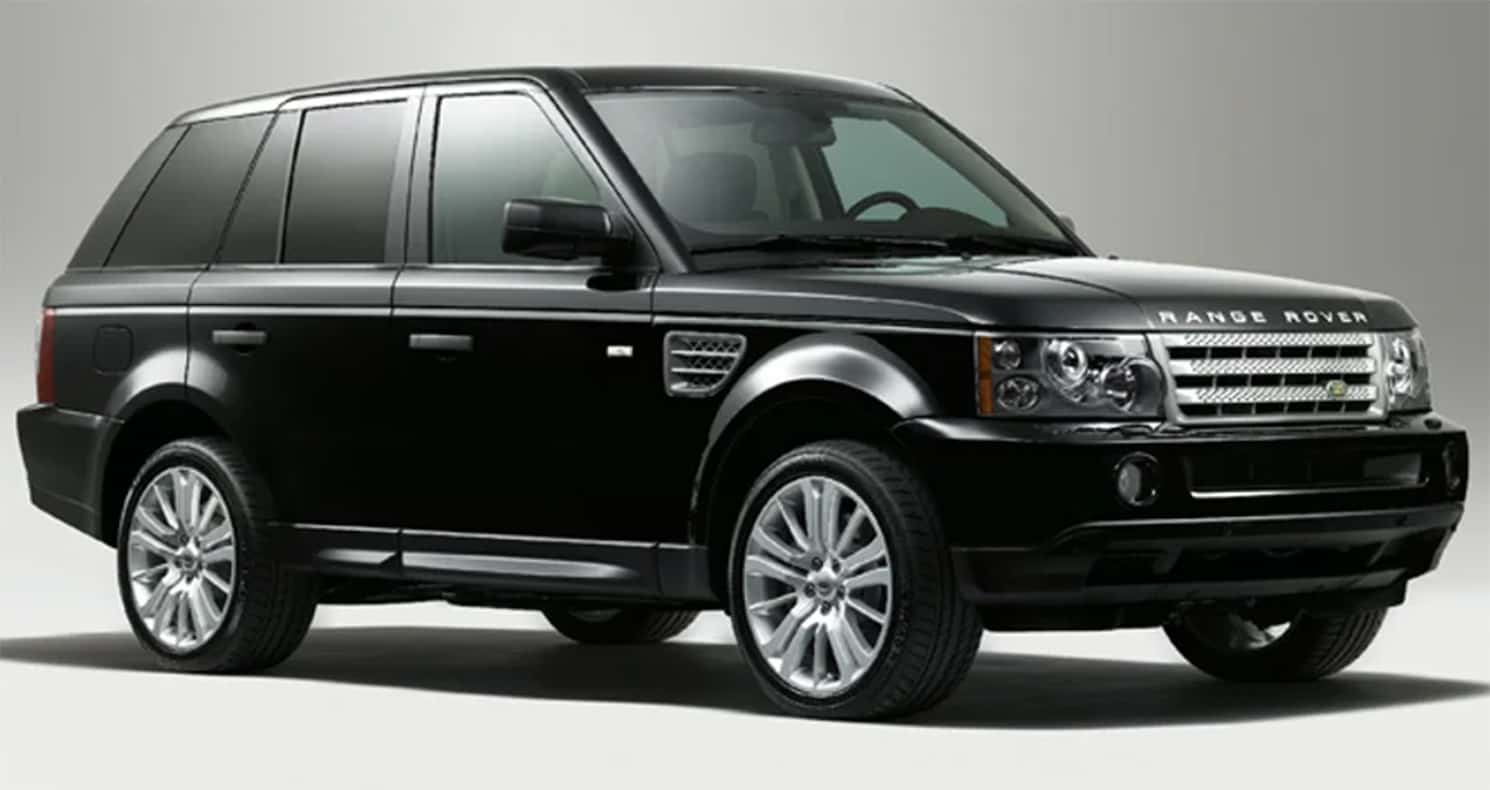
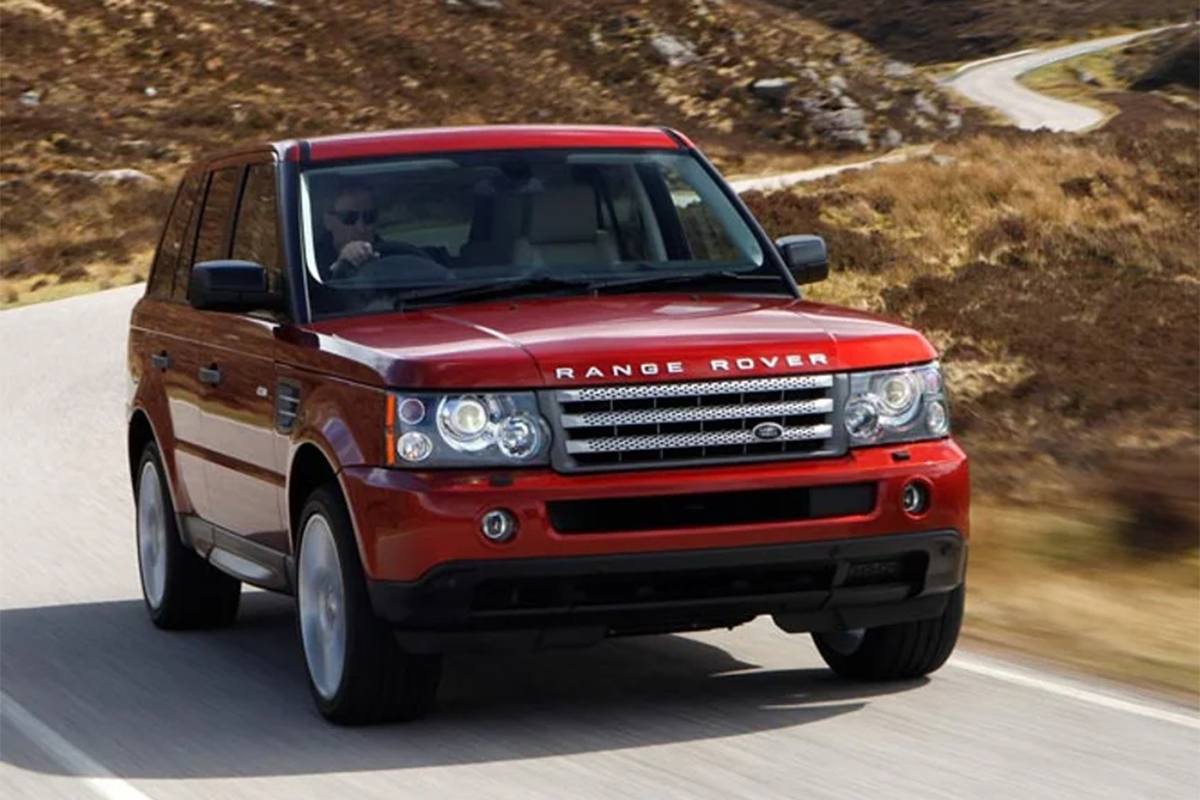
The Range Rover Sport has long been a symbol of luxury and capability, blending the ruggedness of a four-wheel drive with the refinement of a high-end wagon. Originally conceived as a high-spec, high-stepping vehicle, the Sport was designed to offer both performance and practicality. While it bore the prestigious Range Rover badge, its platform was rooted in Land Rover’s engineering, specifically based on the Discovery 3. This combination allowed the Sport to deliver impressive on- and off-road capabilities, making it a unique offering in the market.
Early Models and Features
The Range Rover Sport made its debut in Australia in 2005 as the L320 series, featuring a range of mechanical packages. The initial models included a 2.7TDV6 turbo-diesel V6 with a six-speed automatic transmission, producing 140kW. The L320 also offered a 4.4-litre petrol V8 with 220kW and a supercharged 4.2-litre petrol V8 with 287kW. Both V8 options came with six-speed automatic transmissions and locking rear differentials for enhanced off-road performance.
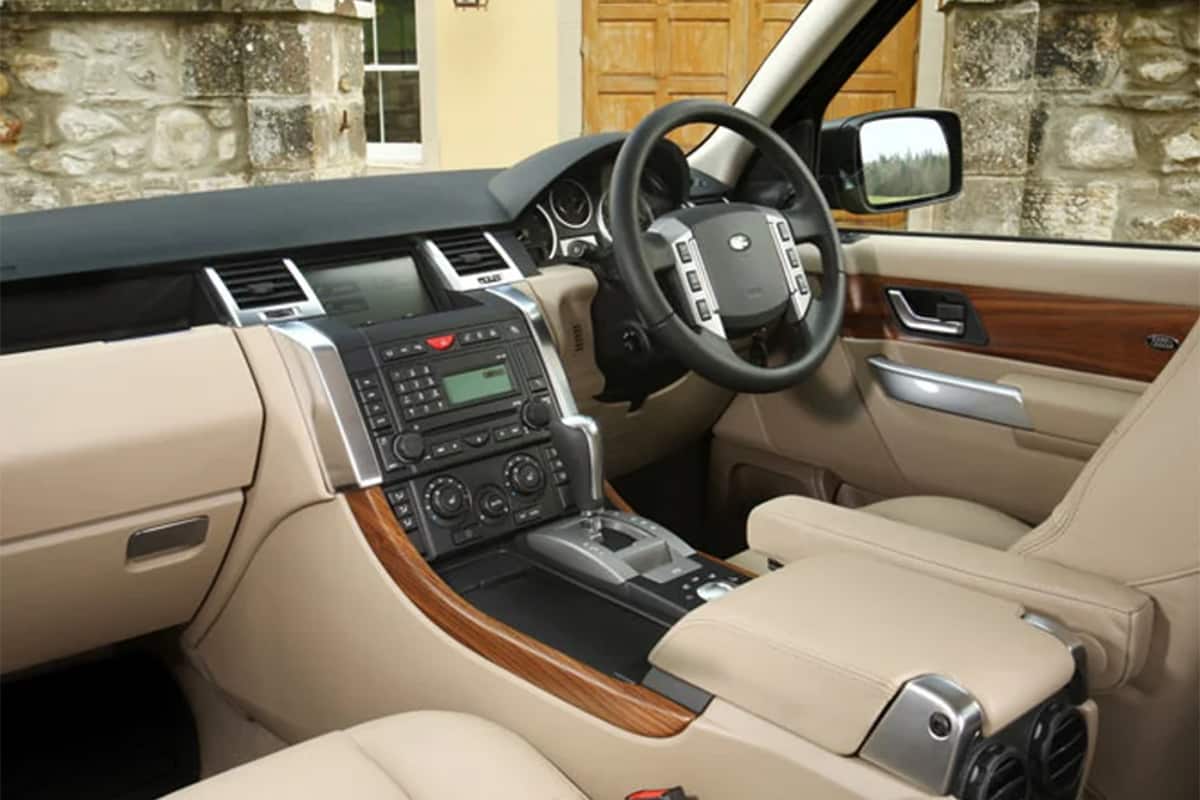
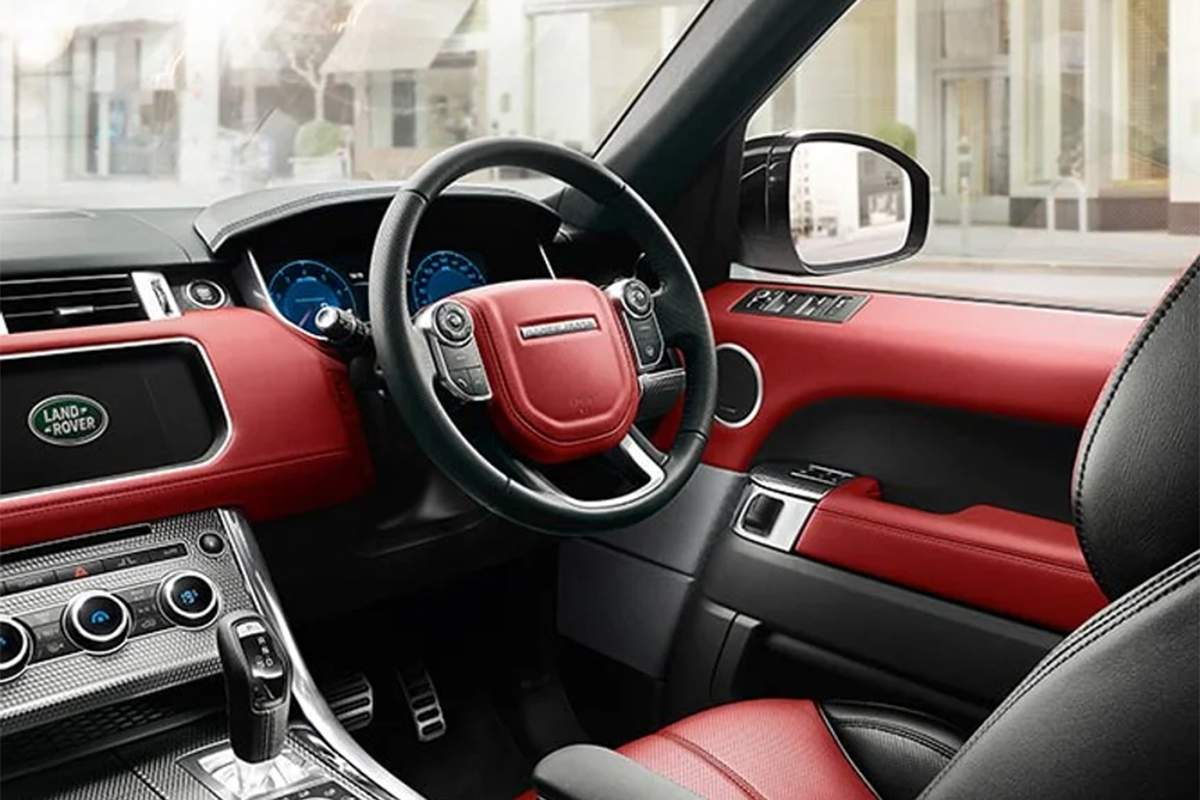
A year later, a 3.6-litre twin-turbo diesel V8 model with 200kW was introduced. The Sport’s interior featured 18-inch alloy wheels, dual-zone climate control, cruise control, LED lighting, and leather upholstery across all versions. Higher trims added features like CD stackers, bi-xenon headlights, and rear parking sensors, while the supercharged version included 20-inch wheels, Brembo brakes, and hydraulically controlled anti-roll suspension.
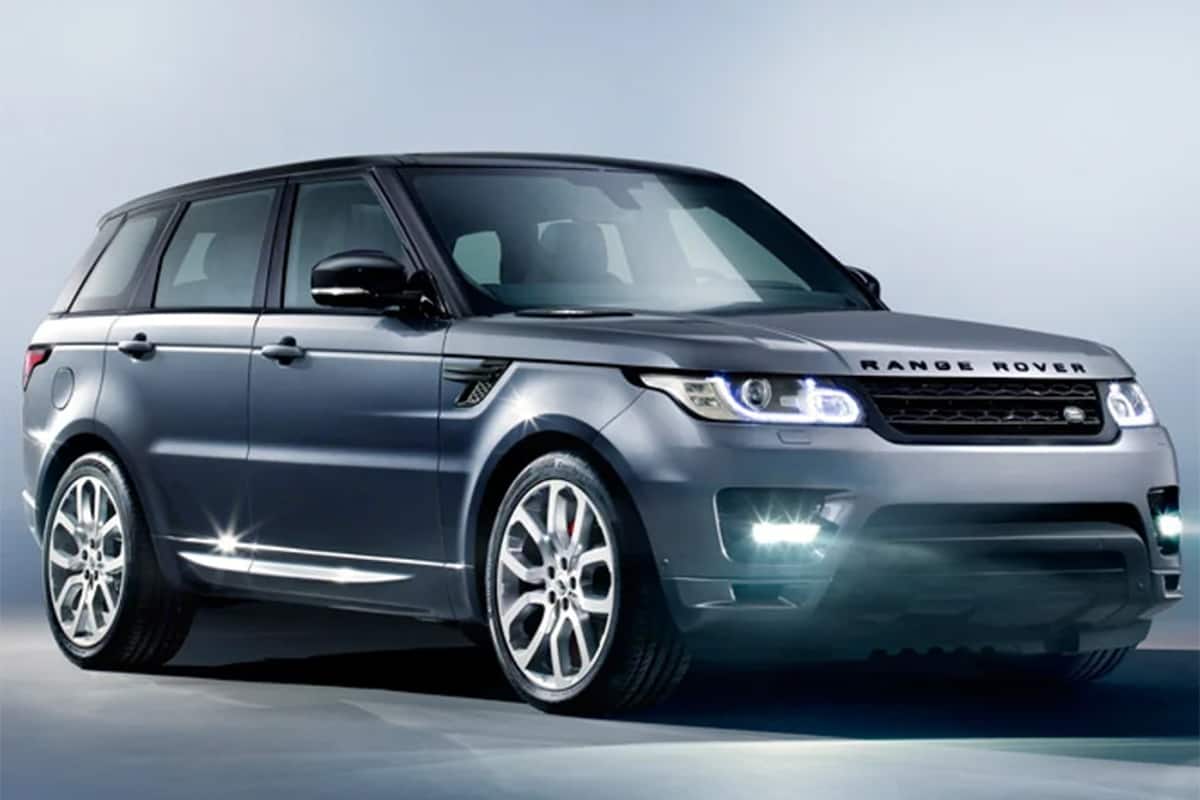
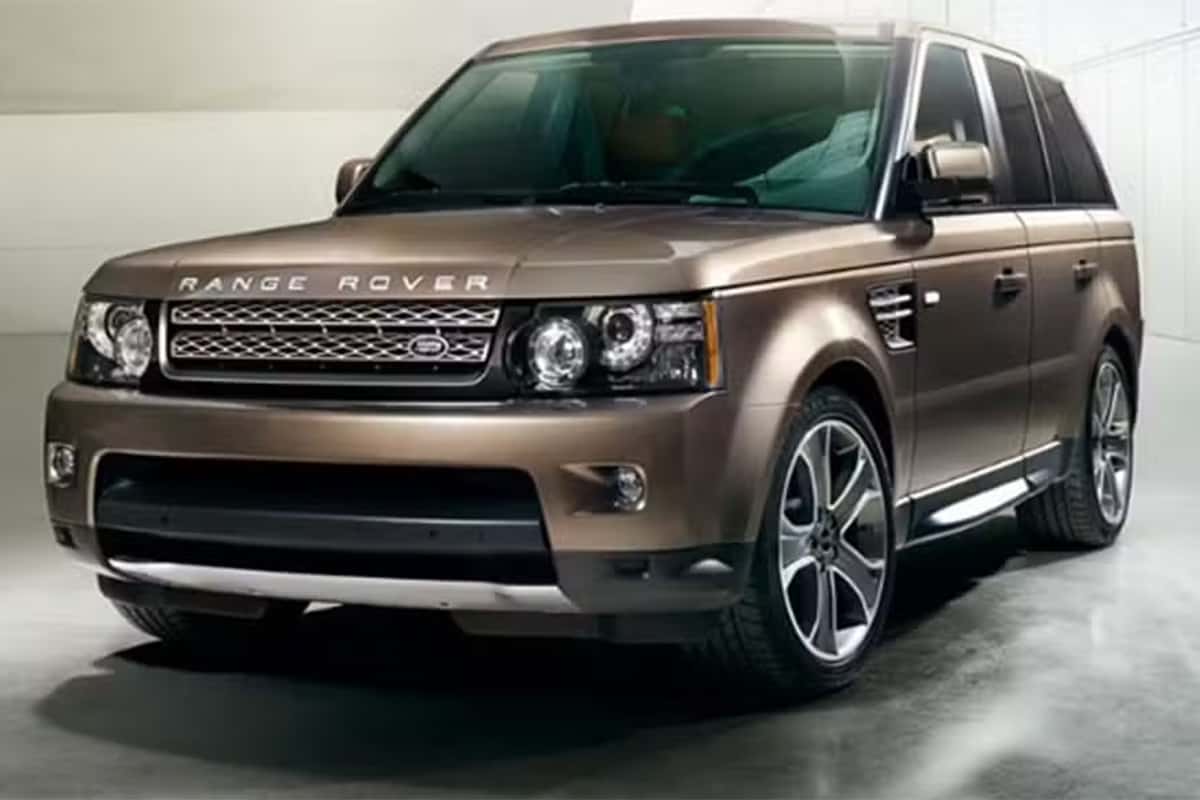
One of the most notable features of the Sport was its air suspension system, which promised improved handling and comfort by mimicking the behavior of solid axles during off-road driving. In 2009, the L320 received a facelift, introducing new engines and improved suspension, along with interior upgrades to enhance the driver experience.
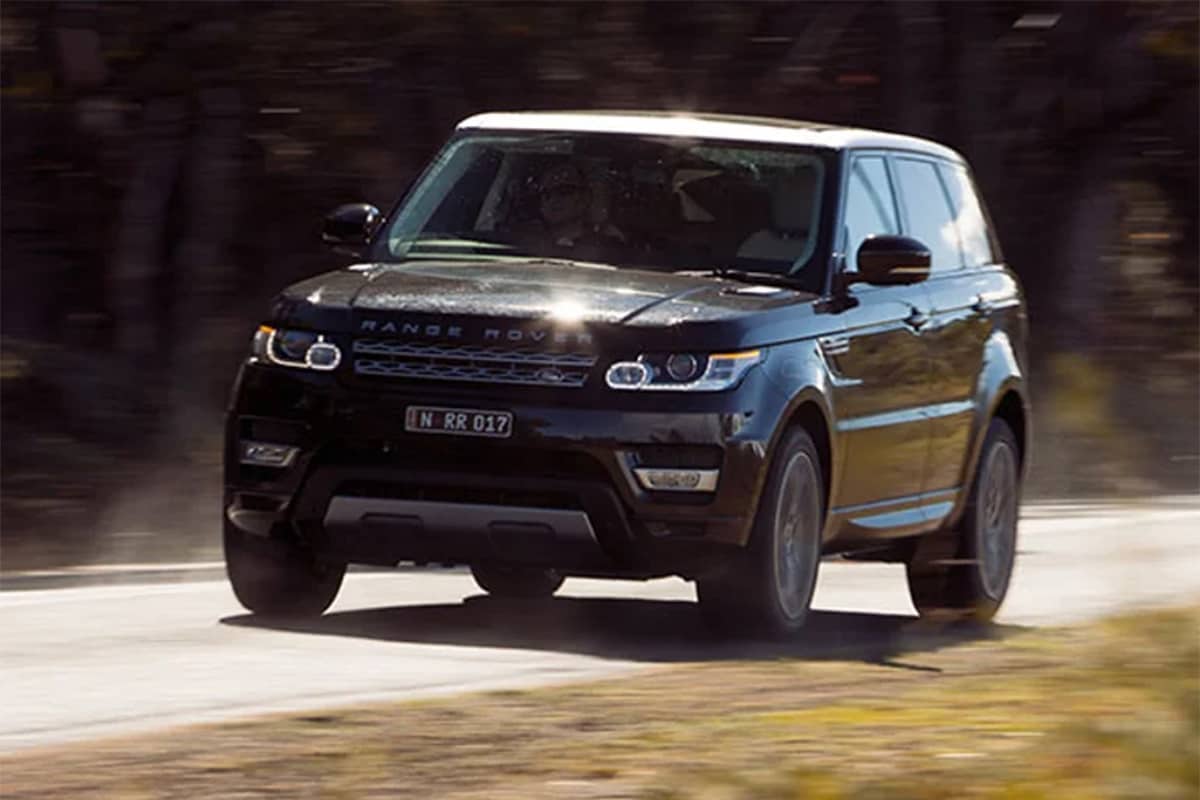
The updated engines included a 3.0-litre turbo-diesel V6 and a 5.0-litre petrol V8, available in naturally aspirated or supercharged forms. These new engines delivered up to 276kW and 375kW, respectively. The L320 was eventually replaced in 2013 by the L494 model.
Is the Range Rover Sport a Good Car?
The answer is not straightforward. On one hand, the Range Rover Sport is a dynamic vehicle that combines high-speed stability with good comfort and exceptional off-road abilities. However, on the other hand, it has a reputation for serious mechanical and electrical problems, making it a risky purchase for many buyers.
Range Rover Sport Reliability
In short, the reliability of the Range Rover Sport is not great. Many owners have experienced expensive and often catastrophic failures, leading to a mixed reputation. The problems are wide-ranging, making it difficult to find a reliable example. While some fans argue otherwise, the facts show that the Sport is a gamble at best.
Range Rover Sport Problems
The list of issues associated with the Range Rover Sport is extensive. One of the most significant problems involves the 2.7 and 3.0 litre V6 turbo-diesels, which had a tendency to fail due to issues with the bottom end bearings. These problems could lead to engine failure if not addressed promptly. The early examples also suffered from a design flaw in the oil pump assembly, which could cause the timing belt to fail, resulting in severe engine damage.
The 2.7-litre V6 turbocharger was prone to internal wear, often causing white smoke from the exhaust. EGR valve failures were also common. The 5.0-litre supercharged V8 experienced rattle or ticking noises, typically linked to the timing chain tensioner.
The air suspension system also caused issues, with many owners reporting their vehicles lying flat on the ground. The compressor system was often the culprit, either failing to maintain ride height or allowing the suspension to lose air. Plastic plumbing components were also found to be insufficient for off-road conditions.
Range Rover Sport Recall
The Range Rover Sport has been involved in numerous safety recalls. Issues included transmission problems, ABS sensor wiring chafing, and vacuum system failures that could lead to brake failure. Other recalls addressed faulty crank angle sensors, door latches, and fuel pumps.
Range Rover Sport Years to Avoid
Later built cars were generally better than earlier models, as Land Rover had time to address issues. However, the turbo-diesel variants should be avoided due to their susceptibility to engine failures. High-mileage turbo-diesel models can be found for under $10,000, but they come with risks.
Range Rover Sport Best Model
While no model is without its flaws, the non-supercharged petrol V8 has a better chance of lasting longer. However, even this model is not immune to air suspension and other issues.
Range Rover Sport Resale Value
The resale value of the Range Rover Sport varies widely. High-mileage turbo-diesel models can be purchased for as little as $5,000, while supercharged V8 versions with 100,000km may sell for between $45,000 and $50,000.
Range Rover Sport Parts
Despite its issues, the Range Rover Sport benefits from a strong parts industry. Specialist workshops and independent mechanics provide affordable repairs, helping keep these vehicles on the road.
Range Rover Sport Sales
While exact sales figures are unknown, online listings show a wide availability of L320 models, with the majority being turbo-diesel V6 variants.
Verdict
The Range Rover Sport is a flawed genius, capable of delivering an exceptional driving experience. However, its design flaws and reliability issues make it a challenging choice for second-hand buyers. While many have enjoyed the Sport, others have faced significant challenges, highlighting the need for caution when considering this vehicle.