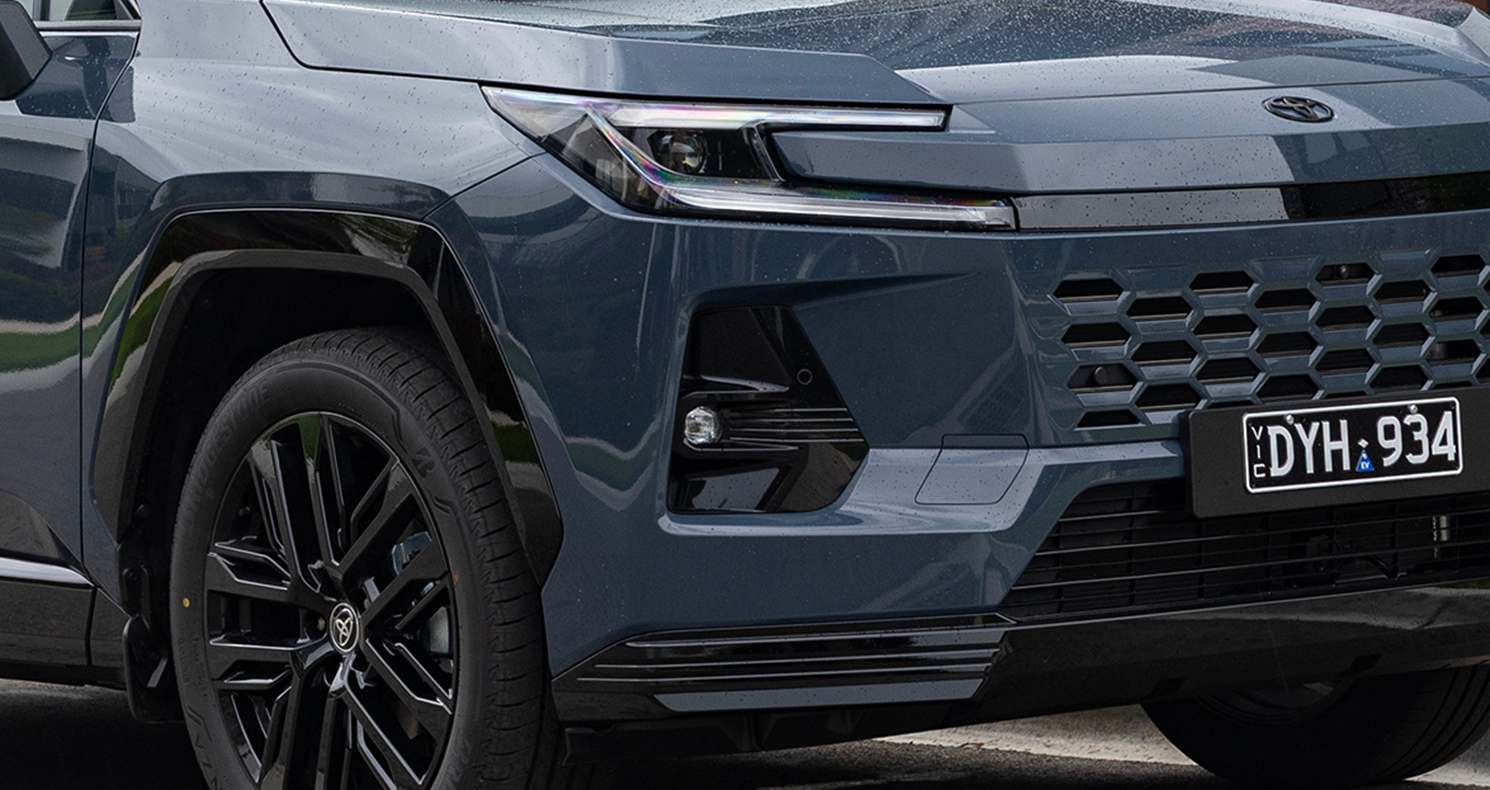
Introduction to the 2026 Toyota RAV4 PHEV
Australia’s most popular SUV, the Toyota RAV4, is set to receive a plug-in hybrid (PHEV) variant ahead of schedule. This new model will start at $58,840 (before on-road costs), which is approximately $15,000 more expensive than the base standard hybrid variant priced at $45,990. The cheapest all-wheel drive variant starts from $63,340, while the range-topping GR Sport specification adds an extra $3,000.
This development comes as Toyota continues to adapt to changing market demands and competition. The PHEV version of the RAV4 is expected to be competitively priced against rivals such as the Mazda CX-60 ($63,790) and the Mitsubishi Outlander ($57,290). However, it is significantly more expensive than the BYD Sealion 6, which starts at $42,990.
The introduction of the PHEV RAV4 could provide Toyota with a competitive edge over mid-size SUVs like the self-charging hybrid and internal combustion-powered Hyundai Tucson and Kia Sportage.
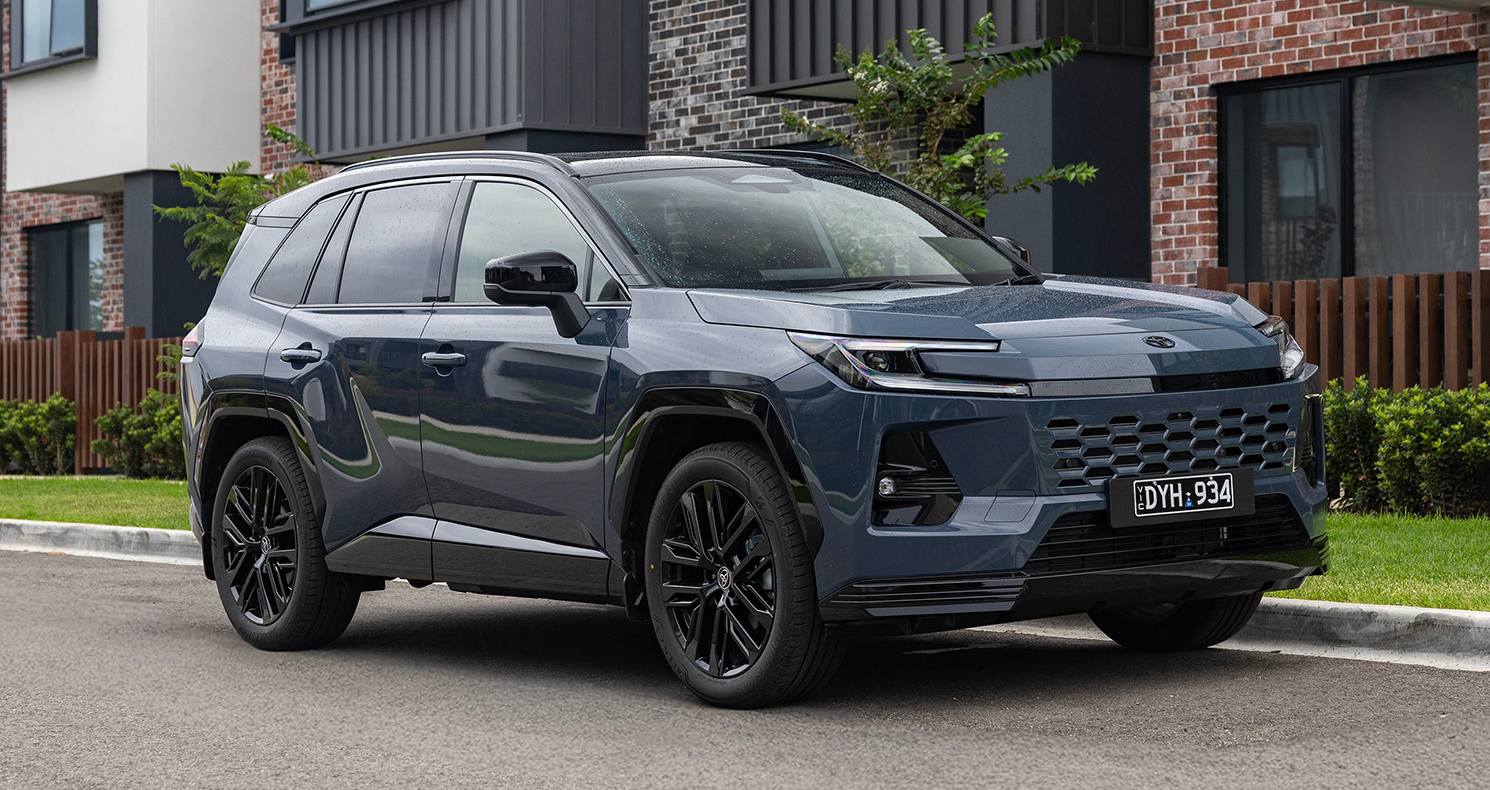
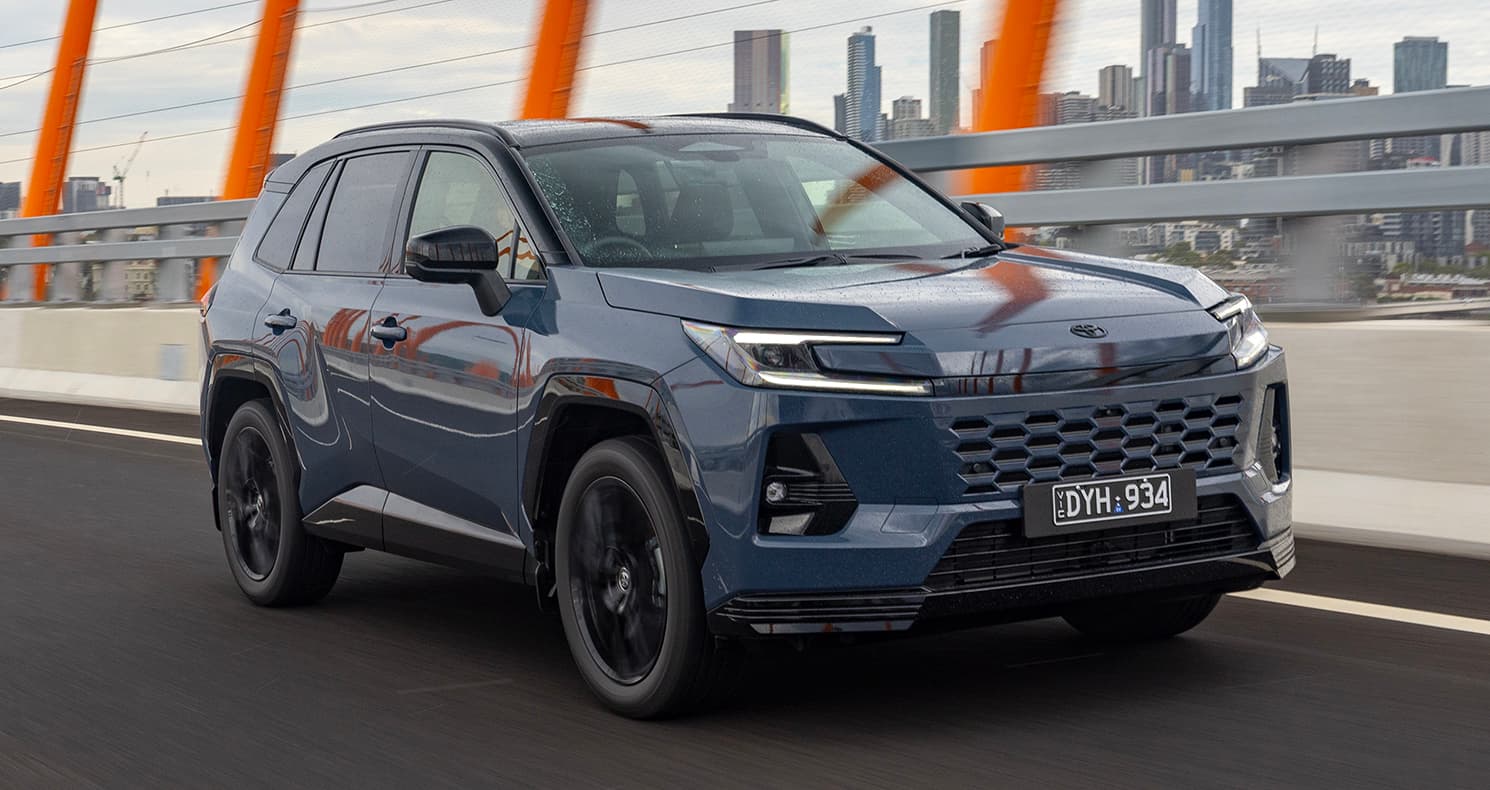
Technical Specifications of the RAV4 PHEV
FWD variants of the RAV4 PHEV are powered by a 2.5-litre four-cylinder engine and a front-mounted electric motor, producing 201kW. AWD variants add a rear-mounted motor, increasing power to 227kW.
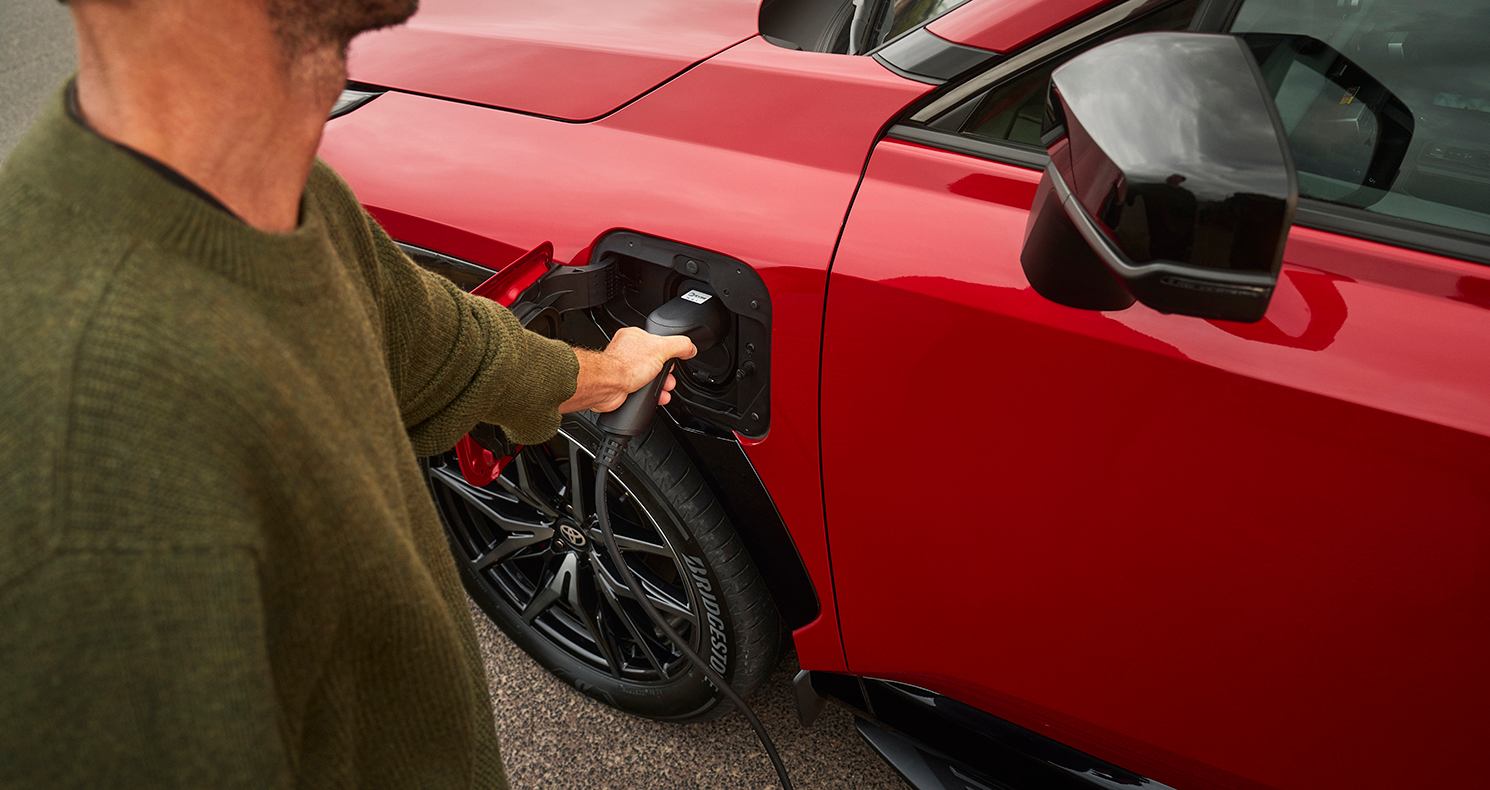
All RAV4 PHEVs come equipped with a 23kWh battery, offering a fully-electric driving range of up to 121km for FWD models and 113km for AWD models, according to WLTP standards. When the battery is fully charged, the RAV4 achieves a fuel efficiency of 0.7L/100km. It can DC charge up to 80 per cent in roughly half-an-hour.
The battery also has a vehicle-to-load capacity of 1500W, allowing for small appliances to be powered.
Key Differences and Features
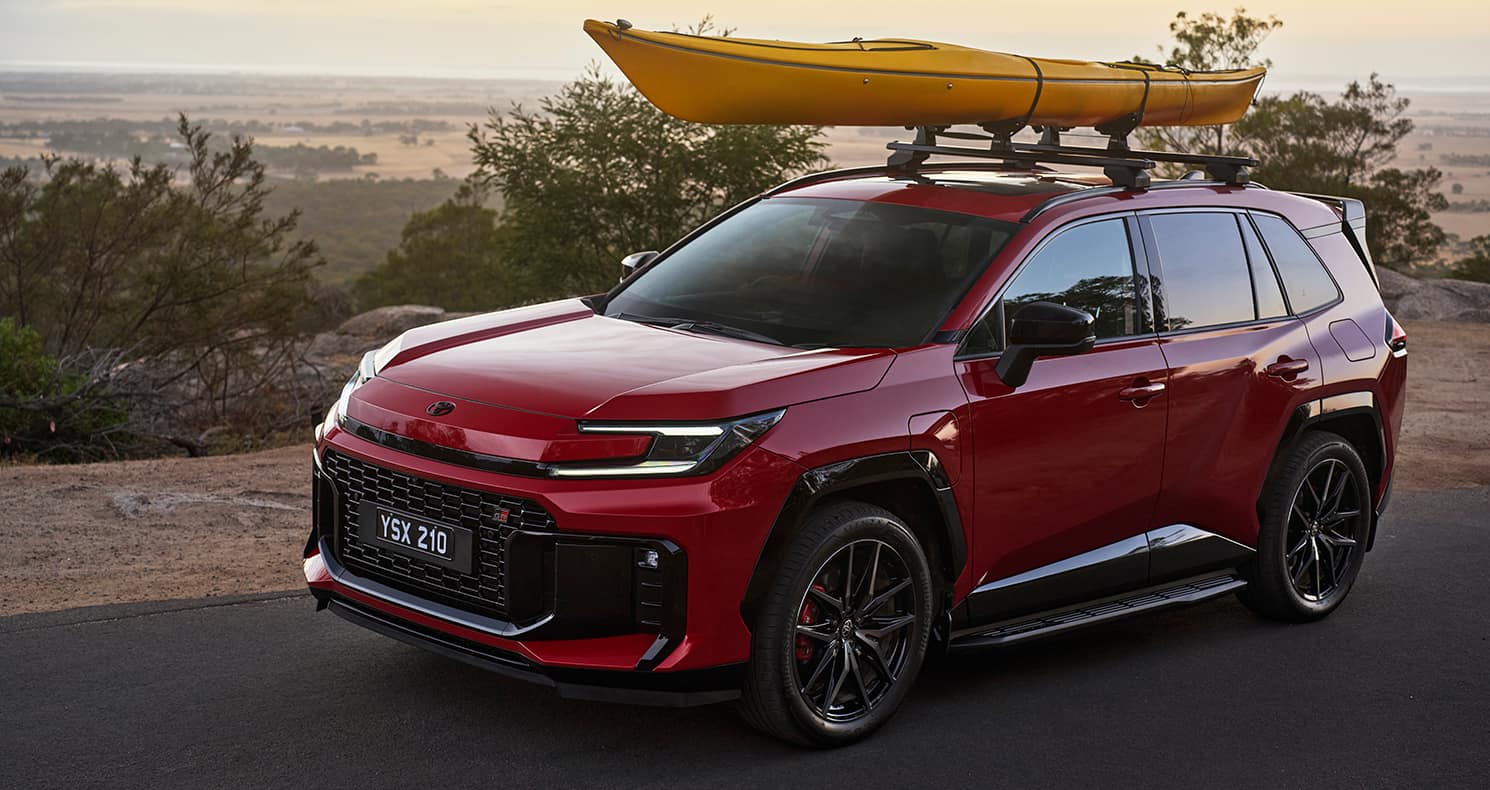
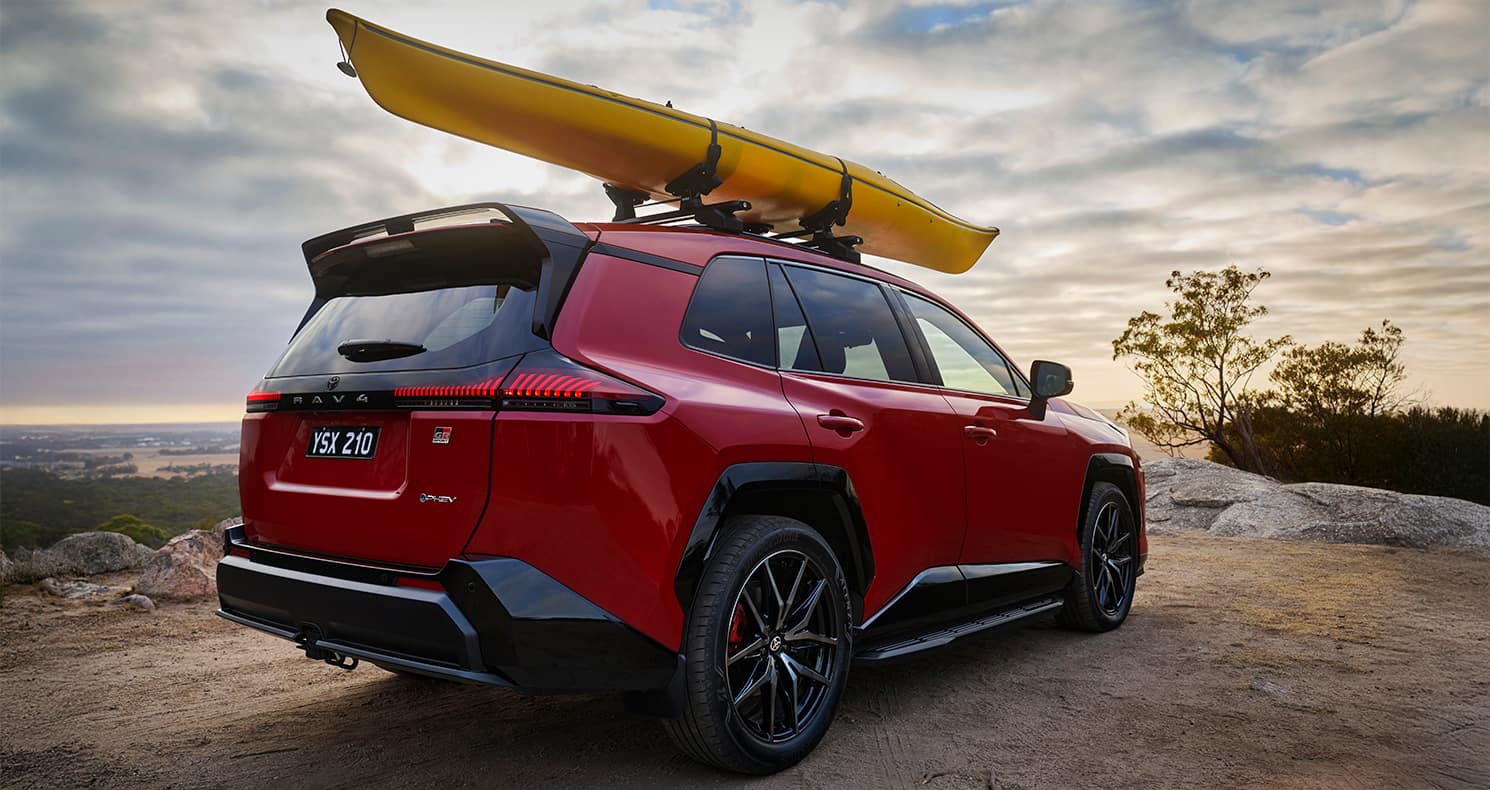
One of the key differences between the RAV4 PHEV and the standard hybrid is the larger brake discs. The GR Sport RAV4 also features a 20mm wider track, performance front dampers, a stiffer chassis, and more responsive steering.
The 2026 Toyota RAV4 PHEV is set to go on sale at the end of June, which is about a month earlier than previously anticipated. This move comes as Toyota looks to improve its sales performance in 2026 without its big hitter SUV.
Market Position and Competition
The launch of the RAV4 PHEV follows the brand’s long-awaited new-generation RAV4, which finally launched in Australia after initial supply delays. Wait times for the new model remain between three to six months.
With the introduction of the PHEV variant, Toyota aims to strengthen its position in the mid-size SUV market. The PHEV RAV4 is expected to compete closely with other models in the segment, including the self-charging hybrid and internal combustion-powered Hyundai Tucson and Kia Sportage.
Conclusion
The 2026 Toyota RAV4 PHEV represents a significant step forward for Toyota in the Australian market. With its advanced technology, improved performance, and competitive pricing, the PHEV variant is well-positioned to attract a wide range of buyers. As the automotive industry continues to evolve, the RAV4 PHEV could set a new benchmark for hybrid and electric vehicles in the country.