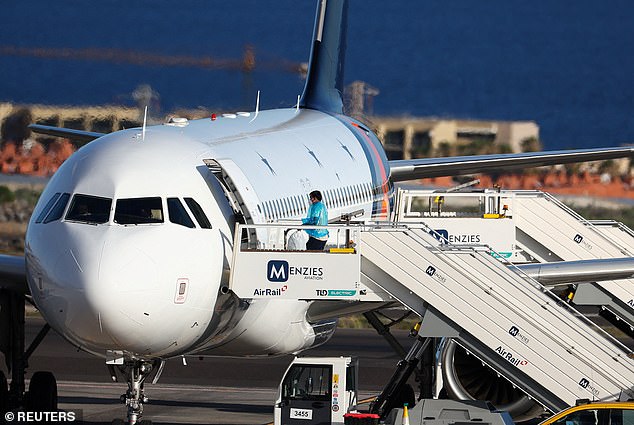
New Yorkers Leaving Isolation After Hantavirus Outbreak on Cruise Ship
Two individuals who were being monitored for hantavirus following an outbreak on a cruise ship are set to leave the federal isolation center and return to their homes in New York. This marks a significant step in the ongoing efforts to manage the spread of the virus, which has affected several passengers and crew members aboard the MV Hondius.
One of three New Yorkers exposed to hantavirus will remain in isolation at a hospital in Nebraska, where 13 people from the MV Hondius cruise ship are being monitored for symptoms of the rodent-borne disease for the full 42-day incubation period. In total, five people have left that facility this week and will return to their home states, remaining under constant monitoring until June 22.
The two New Yorkers leaving the Nebraska facility will be transported home on non-commercial flights and will return to their homes near New York City. Their return highlights the cautious approach taken by health officials to ensure that those exposed to the virus are closely watched for any signs of illness.
Understanding the Andes Strain of Hantavirus
The Andes strain of hantavirus, responsible for the cruise ship cluster, has an incubation period of 42 days. This means that a person exposed to the virus may not show symptoms, which are flu-like, for nearly six weeks. The virus can spread from person to person through close contact, unlike most other hantaviruses, which require direct exposure to rodent droppings.
A routine cruise around South America’s polar tip turned into a public health nightmare this spring when the MV Hondius became the center of the rare hantavirus outbreak. The ship, which departed from Argentina in early April carrying over 100 passengers and 61 crew, has since been linked to 13 confirmed cases and three deaths, including a married Dutch couple and a German national.
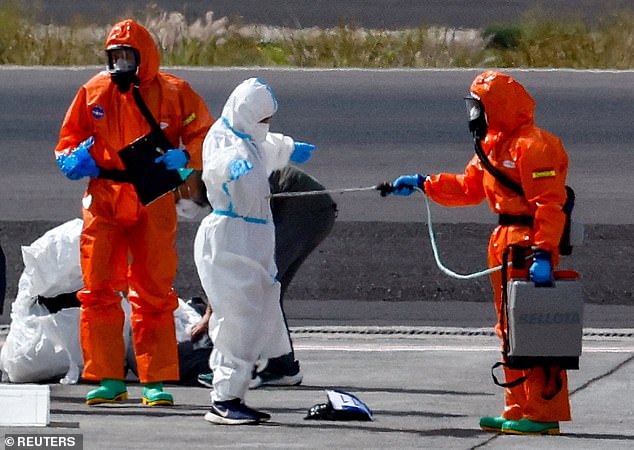
Quarantine Measures and Public Health Response
Of the 18 American passengers exposed to hantavirus on the MV Hondius, most were flown to the National Quarantine Unit at the University of Nebraska Medical Center in Omaha for observation. There, they have lived in near-total isolation in rooms resembling hotel suites complete with Wi-Fi, a television and exercise bikes, while awaiting the end of the virus’ unusually long incubation period.
None have shown symptoms, but the Andes strain’s ability to spread person-to-person, as well as the delayed onset of symptoms, has kept health officials on high alert. On Friday, New York State Department of Health officials confirmed that two state residents who had been quarantining there were returning home. They said the two have agreed to stay at home for the next 20 days and avoid all contact with other people.
As a further precaution, officials stated there would be ’24/7 oversight’, with monitors stationed near people’s homes. Health officials maintain that the general risk to the public is low, with many epidemiologists saying that the virus is unlikely to cause a pandemic.
Symptoms and Risks of Hantavirus
The time between exposure and when a person begins to feel sick ranges from four to 42 days. Early symptoms include fever, fatigue and muscle aches. These can easily be mistaken for the flu, but unlike the flu, hantavirus can quickly become much more serious. The disease can rapidly progress to severe pneumonia and difficulty breathing as the lungs fill with fluid.
Hantavirus is rare, but it is extremely dangerous. Over the last 30 years, 35 percent of hantavirus cases in the US have led to death, a much higher fatality rate than more common viruses like the flu or Covid. In the 2018 Andes virus outbreak in Argentina, the strain believed to be behind the current cruise ship cluster infected 34 people and killed 11 of them.

There are no approved vaccines and no specific antiviral treatments proven to work against hantavirus. Patients who become severely ill can receive oxygen, mechanical ventilation, or in the most serious cases, an ECMO machine that takes over the work of the heart and lungs while the body fights the infection.
Personal Accounts from Quarantine
Last month, NBC News spoke with an American in isolation at the Nebraska facility who likened his stint in quarantine there to being in ‘prison.’ The 30-year-old man, who wanted to withhold his name to protect his privacy, told the outlet that he wanted to quarantine at home.
‘I’m held here involuntarily, so in that sense it’s a prison term, I mean, it’s a perfectly nice prison, but I’m still here involuntarily,’ he said. It is not clear whether he is one of the quarantined passengers permitted to quarantine at home.
Origins of the Outbreak
The first signs of the deadly hantavirus emerged on April 6, when a Dutch man fell ill on board the MV Hondius. He was dead five days later. His body was not removed until April 24, when the vessel docked on St Helena Island in the South Atlantic. That is when his wife also disembarked and flew to South Africa the next day, where she later died.
In the weeks that followed, 18 Americans were among those evacuated from the ship. They are now in federal quarantine. In total, three passengers have died from the virus: the Dutch man, his wife and a German woman who died on board May 2.
Health officials believe the outbreak traces back to two passengers who may have picked up the virus during a birdwatching tour at a landfill in Argentina.