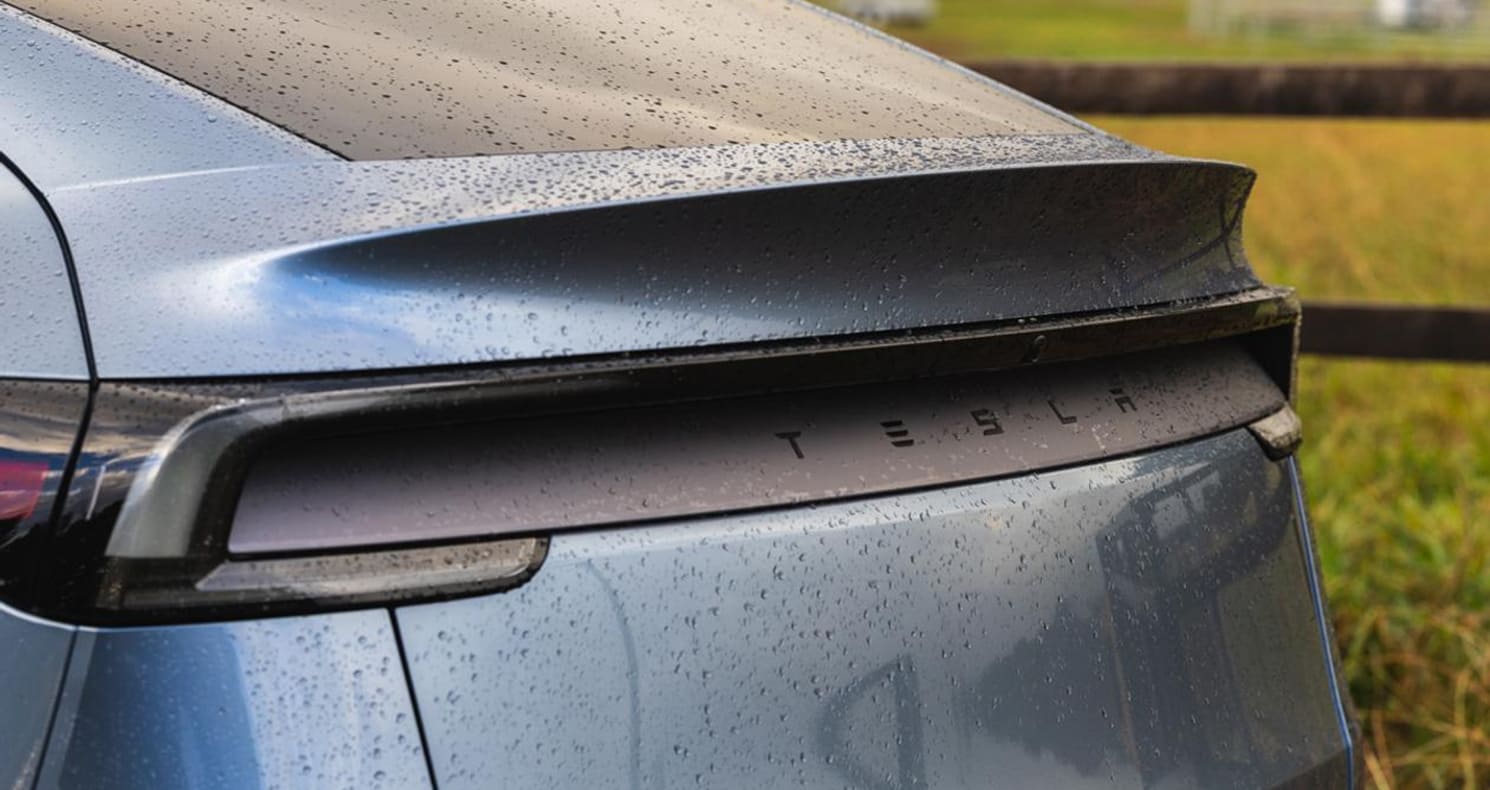
The electric vehicle (EV) market in Australia is experiencing a significant surge, with the latest data showing that Tesla has achieved record-breaking sales in May 2026. The company sold a total of 6,433 units during the month, marking the highest single-month sales ever recorded by the Electric Vehicle Council (EVC). This impressive performance highlights the continued growth and popularity of electric vehicles across the country.
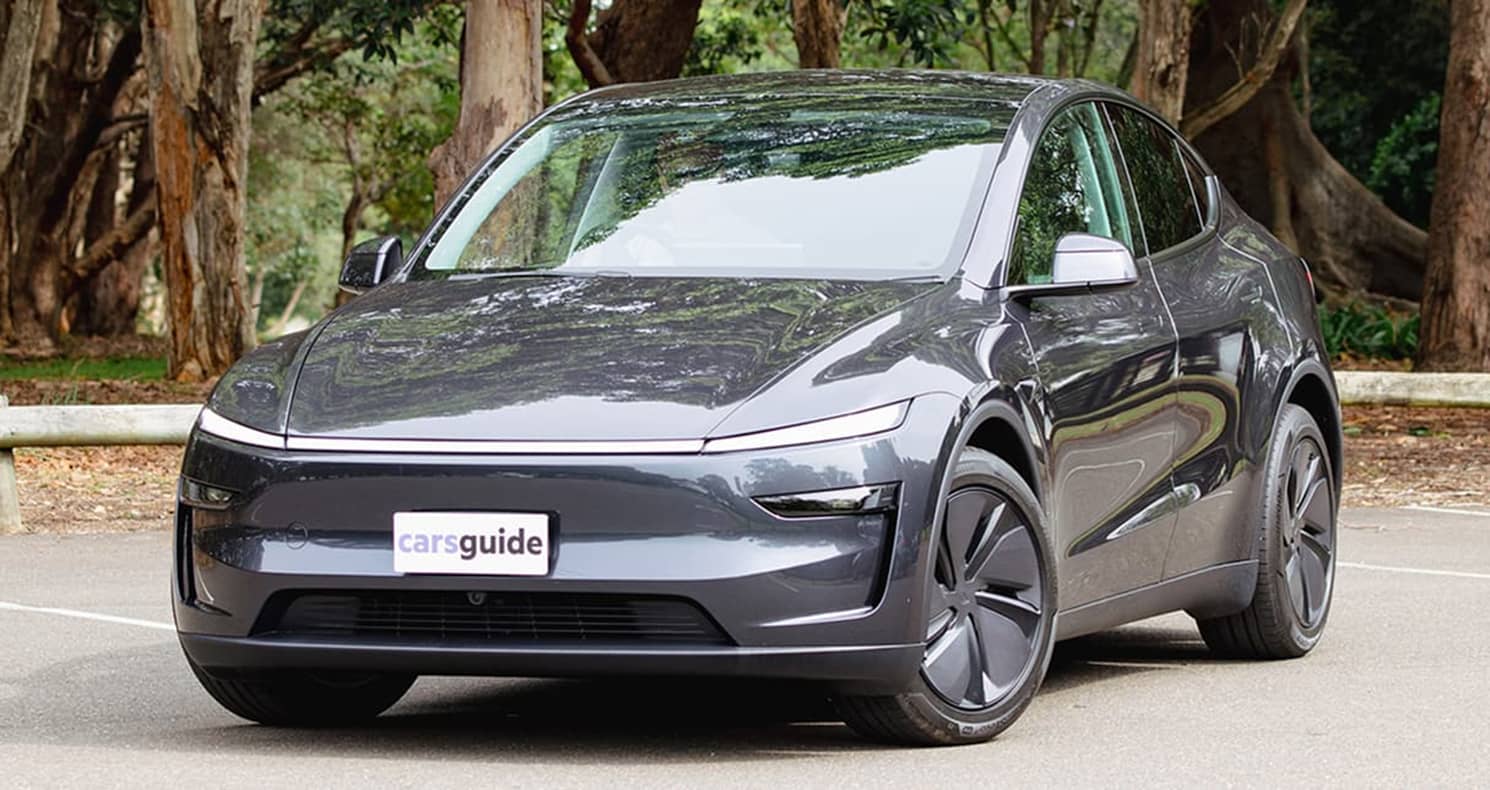
One of the key drivers behind this sales boom is the Tesla Model Y SUV, which accounted for the majority of these sales. In May 2026, the Model Y reached 5,605 sales, an increase of over 2,000 units compared to the same period in 2025. This strong performance underscores the Model Y’s appeal among Australian consumers, who are increasingly turning to electric vehicles for their practicality, efficiency, and performance.
Despite this success, not all Tesla models have seen the same level of growth. Both the 2026 Tesla Model Y and Model 3 experienced a decline in sales in Australia. However, this dip has been offset by the growing presence of competitors such as BYD Sealion 7 and Zeekr 7X, who have taken advantage of rising fuel prices to attract buyers looking for more cost-effective alternatives.
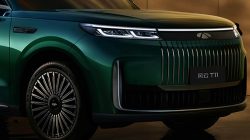
The 2026 Tesla Model Y remains the top-selling electric vehicle in Australia, but it is not without competition. Other models like the Kia EV5 and Toyota bZ4X are also gaining traction, riding the wave of increased interest in electric cars. Additionally, the Model Y has addressed one of its most common complaints with the introduction of a new accessory that brings a sought-after feature to its key rival, the Zeekr 7X.
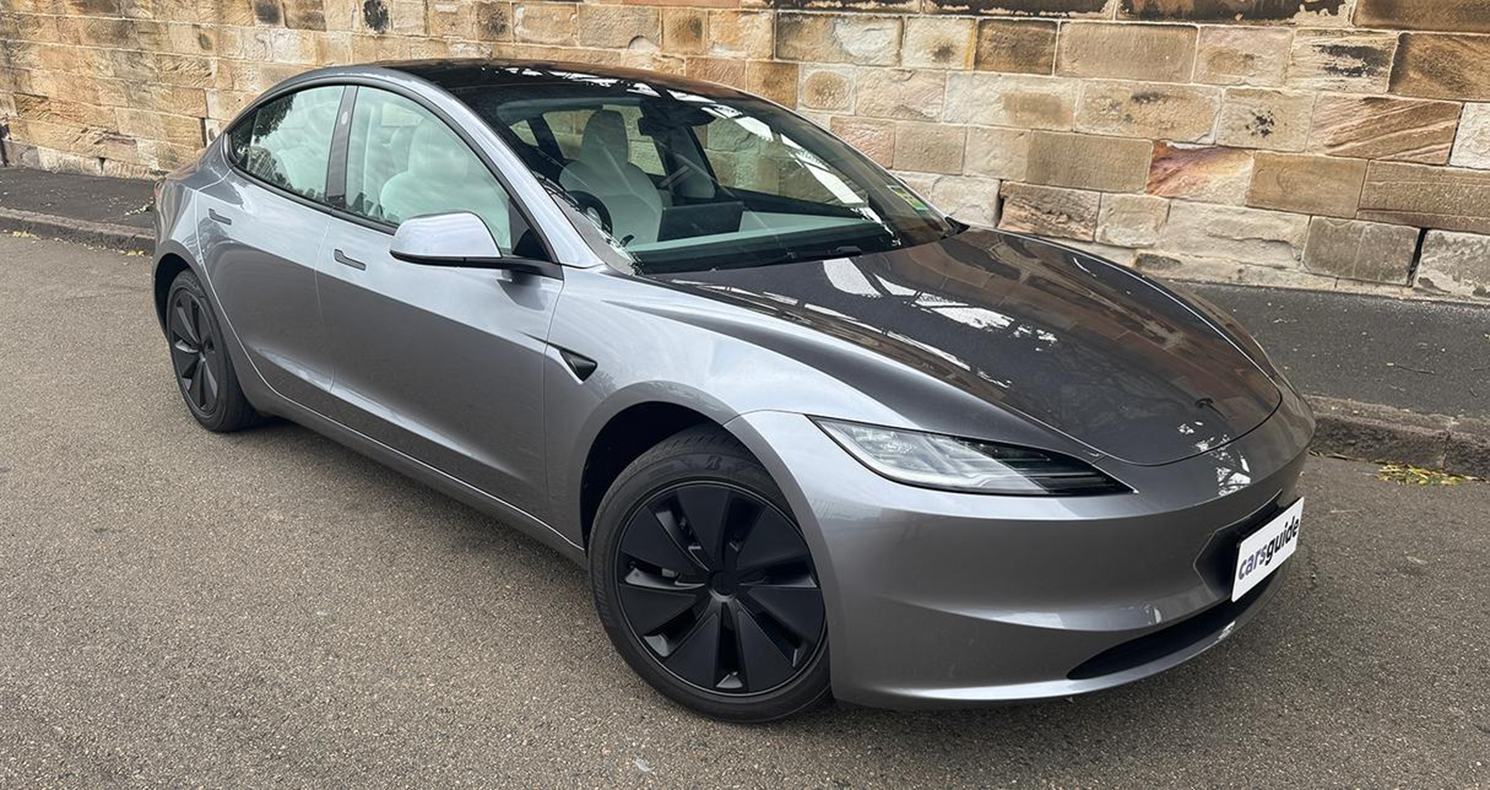
The Model 3 sedan also saw a significant boost in sales in May, more than doubling its total compared to the same time last year. This growth can be attributed to Tesla’s recent launch of the six-seater Model Y L in Australia, which has added more variety to its product lineup and catered to a wider range of consumer needs.
However, Tesla’s journey has not been entirely smooth. The brand faced challenges in April 2026, with both the Model Y and Model 3 experiencing a notable drop in sales. According to Tesla, these fluctuations are influenced by delivery cycles, which can affect how sales numbers appear on a month-to-month basis. The varying number of cars imported into the country also plays a role in these shifts.
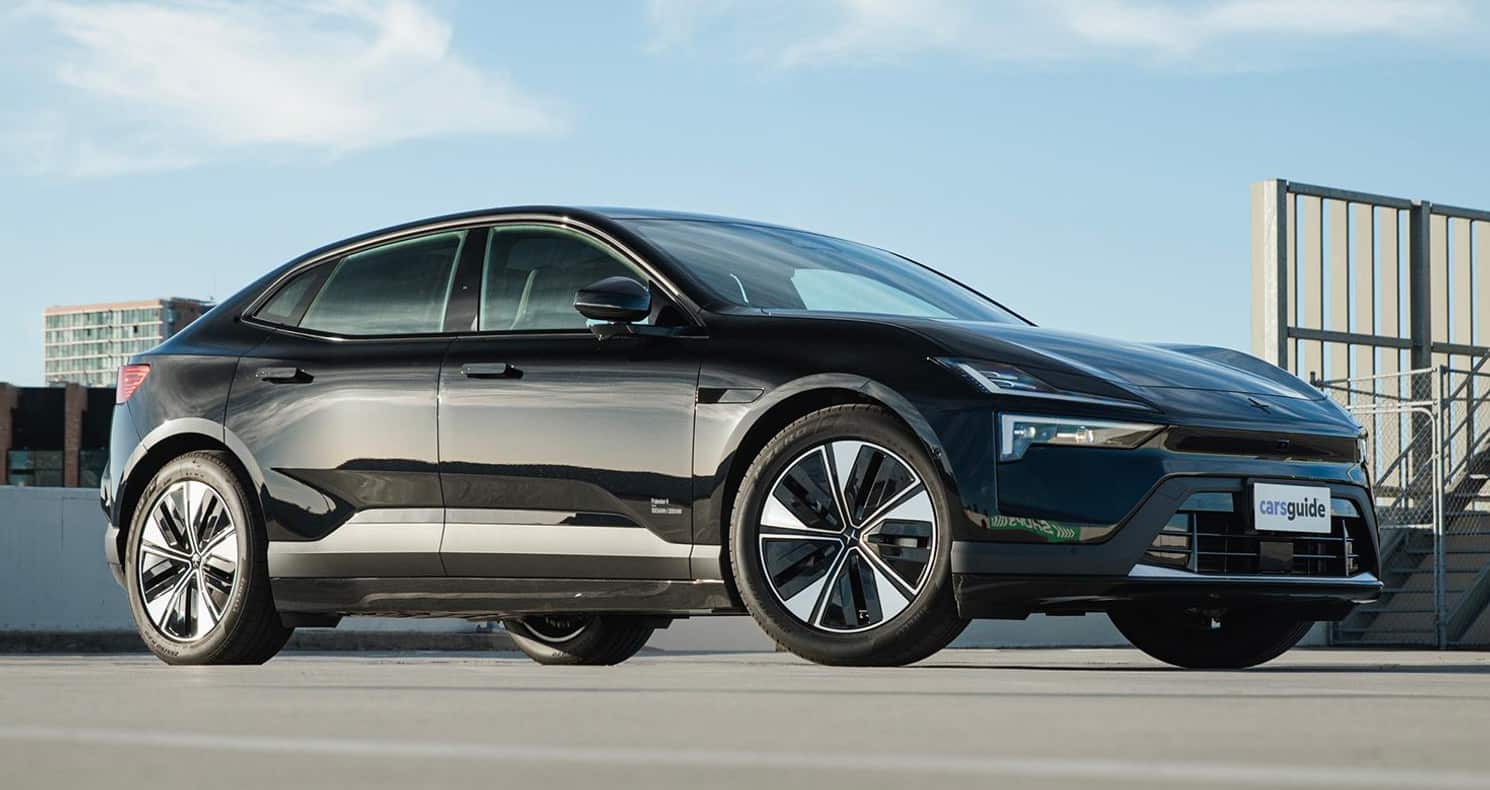
Polestar has also made strides in the Australian EV market, with its Polestar 4 model seeing nearly a 40% increase in sales year-to-date. This growth aligns with the broader trend of consumers seeking alternatives to traditional internal combustion engine vehicles, particularly as high fuel prices continue to impact buyer decisions.
EVC Chief Executive Officer Julie Delvecchio highlighted the significance of the May 2026 data in the context of Australia’s EV transition. “May 2026 is an important moment for Australia’s EV transition – the strongest month on record for combined Tesla and Polestar sales,” she said. “When fuel prices hurt, people look for alternatives. Electric vehicles offer exactly that – no trips to the servo, no price spikes at the pump, savings of around $3,000 a year.”
Delvecchio emphasized that Australians choose cars based on their ability to save money, suit their lifestyle, and perform well. “Record EV sales suggest more Australians are finding electric vehicles tick all three boxes,” she added.
Chinese brands like BYD have also capitalized on the growing demand for electric vehicles. The BYD Sealion 7 mid-sizer is expected to maintain its strong sales performance in Australia, further diversifying the market and providing consumers with more options.