A Landmark Case of Workplace Discrimination
Three former employees of Little Ted’s Childcare Centre in Oxley, located in Brisbane’s inner west, have taken on their former boss in the Fair Work Commission and emerged victorious. This case has highlighted serious issues of workplace discrimination and unfair dismissal, particularly against employees with health conditions.
Gail Mercer’s Fight for Justice
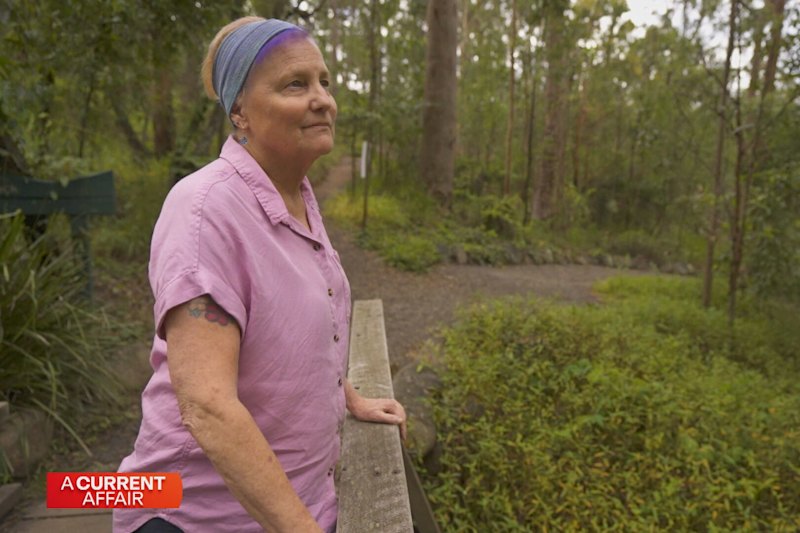
Gail Mercer, a 65-year-old childcare worker, was awarded compensation after the Fair Work Commission condemned her employer’s “harsh and egregious” actions. She was sacked while battling cancer, and the commission found that her termination was unjustified. The award included 26 weeks’ wages, totalling more than $17,000 plus superannuation.
The situation escalated when Gail’s employer, Reena Kapoor, became agitated upon learning that Gail was using approved annual leave for a holiday rather than for cancer treatment. Kapoor then instructed the centre director, Mellissa, to draft a termination letter. The letter stated that Gail’s lack of availability made it impossible to continue employing her.
“I was shocked. I had to read it several times because nothing was sinking in,” Gail said. Mellissa, who stood up to Kapoor and refused to agree with the decision to fire a cancer patient, was also dismissed.
Kapoor further compounded the issue by informing parents that Mellissa had caused significant breaches that endangered their children. This led to Fair Work Commissioner Paula Spencer ordering Kapoor to pay $8000 in compensation to Mellissa, citing an unfair dismissal due to a lack of procedural fairness. Additionally, Kapoor sent damaging information to parents and guardians, which may have impacted Mellissa’s future employment opportunities.
Anika’s Struggle After Medical Leave
Another former employee, Anika, faced similar challenges after returning from a six-week medical absence following back surgery. Upon her return, she noticed a shift in the workplace culture and dynamics.
“When I returned, the staff that I know and love just didn’t seem happy. It took three days, and I wasn’t happy either,” she said. Anika decided to resign, handing in a letter that clearly stated her reasons: “Since the change in ownership, I have found it increasingly difficult to feel valued in my role, particularly given the ongoing reminders that staff are easily replaceable… the current atmosphere no longer aligns with my values.”
Although Anika intended to work her full notice period, she received hostile text messages from Kapoor. One message read: “For now stay away from the centre from tomorrow – if so I will take it as trespassing.” When Anika inquired about receiving her legal entitlements, Kapoor responded with further hostility, stating: “I don’t want you anywhere near my centre… Trust I will get legal support to gain extra paid hours off you.”
Anika described the experience as being on a whole different level compared to previous bosses. “I’ve had some bosses before where they do sometimes make life difficult, but this was on a whole other level,” she said.
Lessons Learned and the Importance of Fair Treatment
This case highlights the importance of fair treatment in the workplace, especially for employees facing health challenges. It serves as a reminder that employers must follow proper procedures and avoid discriminatory practices. The outcomes for Gail and Mellissa demonstrate that the Fair Work Commission is committed to protecting employees from unfair dismissal and ensuring that their rights are upheld.