Medical Examination Reveals Explanation for Trump’s Bruising
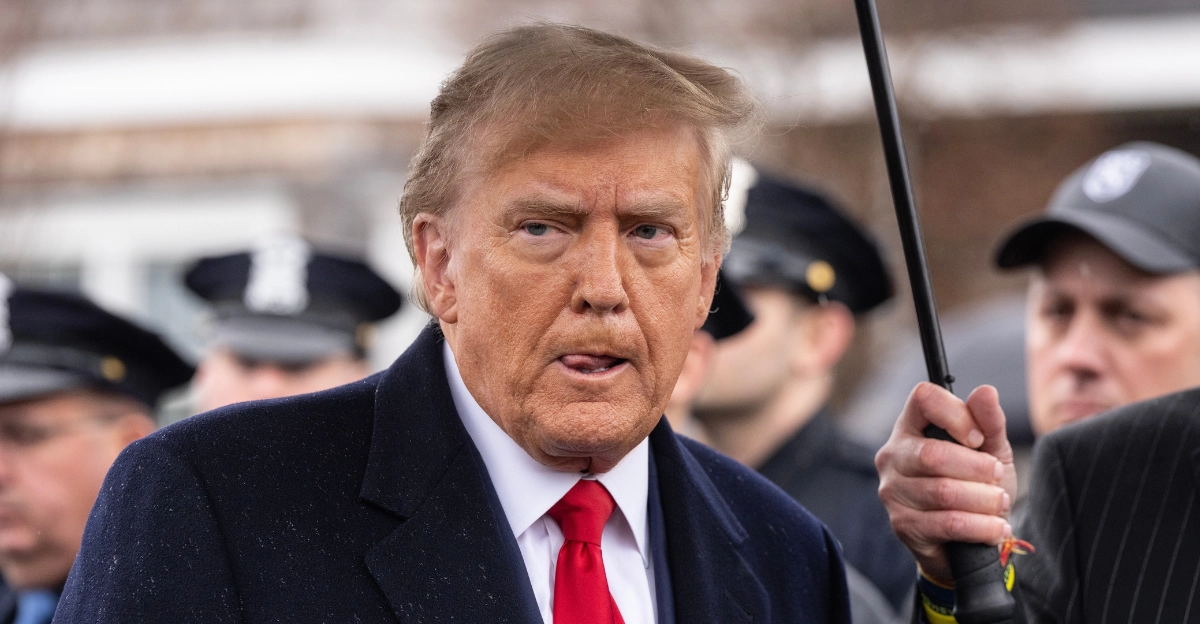
Questions about Donald Trump’s health have been a topic of discussion over the past year, often sparked by images showing visible bruising on the president’s hands. Recently, the White House released new medical findings that aim to provide a clear explanation for these concerns.
According to the report, the marks are not associated with any serious medical condition but are instead the result of a combination of medication and one of the more routine aspects of presidential life: shaking hands. The findings were part of an annual medical examination conducted at Walter Reed National Military Medical Center, which was later made public after the president authorized its release.
Comprehensive Health Evaluation
Trump described the examination as having gone “PERFECTLY” in a post on Truth Social. The report covered a wide range of health indicators for the 79-year-old leader, including cardiovascular, neurological, and general physical assessments. Among the details that drew particular attention was the section addressing the bruising that has become increasingly noticeable in recent months.
Doctor Addresses Speculation
Trump’s physician, Captain Sean Barbabella, concluded that the marks are consistent with frequent handshaking combined with aspirin use. He stated, “This represents a common and benign effect of aspirin therapy. No suspicious lesions or concerning growths were identified.” The medical report also noted that repeated hand contact can irritate soft tissue, while aspirin’s blood-thinning properties can make bruising appear more easily.
Officials emphasized that no evidence of a more serious underlying issue was discovered during the examination.
Rumors Have Persisted for Months
Visible discoloration on Trump’s hands has generated speculation online and in political circles, with some observers questioning whether it could indicate an undisclosed health problem. Others suggested the bruising might be linked to intravenous treatments, which can sometimes leave similar marks. White House officials have repeatedly pushed back against such theories.
According to Ladbible, press Secretary Karoline Leavitt previously attributed the bruises to the president’s unusually demanding schedule and constant public interaction. Leavitt stated that Trump’s hands were bruised “because he’s constantly working and shaking hands all day every day.”
Aspirin Plays a Role
Barbabella’s latest assessment largely reinforces explanations previously offered by the administration. Aspirin is commonly used to reduce cardiovascular risks by making blood less likely to clot, though it can also increase susceptibility to bruising. Trump has spoken openly about his use of the medication.
“They say aspirin is good for thinning out the blood, and I don’t want thick blood pouring through my heart. I want nice, thin blood pouring through my heart. Does that make sense?” he told The Wall Street Journal.
Public Scrutiny Comes With the Job
American presidents have traditionally released details from their medical examinations, despite no legal requirement to do so. This practice is generally viewed as a way to provide transparency and reassure the public about the health of the nation’s leader.
For Trump, the latest findings appear intended to put lingering questions about his bruised hands to rest while reinforcing the administration’s broader message that the president remains in strong health.