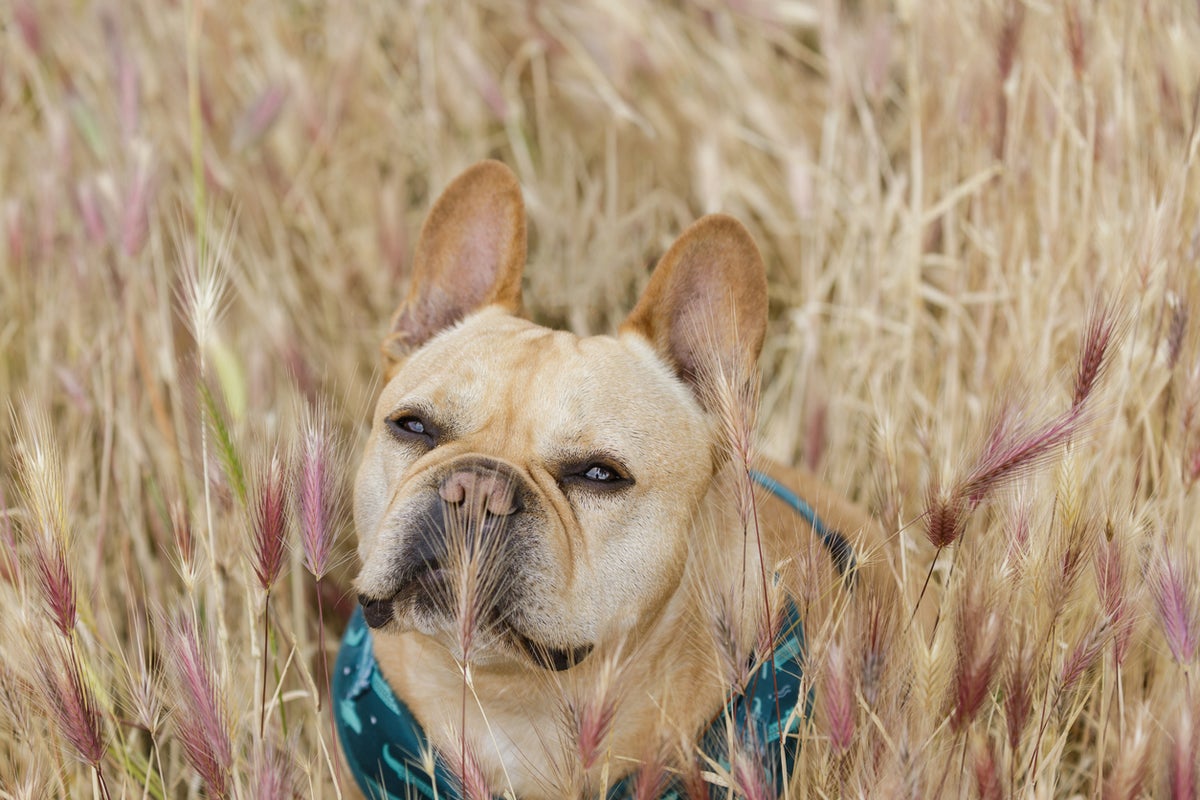
Understanding Foxtails and Their Dangers to Pets
As spring unfolds across much of the United States, the weather becomes warmer, and people are spending more time outdoors with their pets. While this is a great opportunity for exercise and bonding, it also brings potential hazards. One such hazard is the foxtail, a small grass seed pod that can pose serious threats to your pet’s health.
Foxtails are not a specific plant but rather a type of grass seed pod that resembles a fox’s tail. They are found in many parts of the United States, particularly in the western regions like California. The outer surface of a foxtail is covered in tiny, sticky hairs that help it attach to animals or clothing. These hairs allow the seeds to spread, which is beneficial for the grass but dangerous for pets.
For humans, foxtails may cause some irritation, but they are generally not a major issue. However, for pets, especially dogs and cats, foxtails can be a significant problem. Once attached to an animal’s fur, a foxtail can be carried around until it drops off and grows into grass. This process can lead to various health complications.
Health Risks Associated with Foxtails
The most common areas where foxtails can burrow into a pet are the skin, ears, eyes, and nose. In the skin, especially between a dog’s toes, a foxtail can cause irritation, redness, pain, and infection. As it penetrates deeper, it can create a draining tract, which is a path of infection that requires medical attention.
If a foxtail gets into a pet’s ear, it can cause discomfort and potentially lead to an infection. The pet might shake its head frequently, which can mimic symptoms of an ear infection. Similarly, if a foxtail sticks to the eye tissues, it can cause discharge and discomfort. In cats, this might lead to scratching of the eye’s surface.
One of the most severe locations for a foxtail is in the lungs. Dogs may inhale foxtails while running through fields, leading to severe infections or even death. In such cases, surgery and hospitalization are almost always required.
Recognizing Foxtail Symptoms
Pet owners should be aware of the symptoms that indicate a foxtail might be embedded in their pet. Chewing on paws, swelling, or redness between the toes could suggest a foxtail has become lodged there. Frequent head shaking might indicate a foxtail in the ear canal, while drainage from the eye could signal a foxtail near the eye.
Sneezing or pawing at the nose might mean a foxtail has entered the nasal passages. Coughing or hacking could indicate a foxtail in the throat or lungs. Each of these symptoms requires prompt veterinary care to prevent serious complications.

Preventive Measures Against Foxtails
While foxtails are prevalent in many environments, there are steps pet owners can take to minimize the risks. Removing foxtails from your yard can help reduce exposure, although it may not always be easy due to the rapid growth of grasses.
Choosing areas with fewer foxtails when taking your pet outdoors can also be beneficial. Some companies offer mesh nets that cover a dog’s head to protect against foxtails, and pet boots can prevent them from getting stuck in the paws.
Regular grooming of your pet can help catch foxtails before they burrow into the skin. Removing mats and unkempt fur can also reduce the risk. Scheduling annual vet checkups allows for early detection of any foxtails that may have been missed.
Conclusion
Foxtails are a part of life in the United States, but with awareness and preventive measures, pet owners can keep their furry friends safe. By understanding the dangers and recognizing the symptoms, you can ensure your pet enjoys the outdoors without unnecessary risks.