The Struggle of Long Waitlists and Health System Pressures
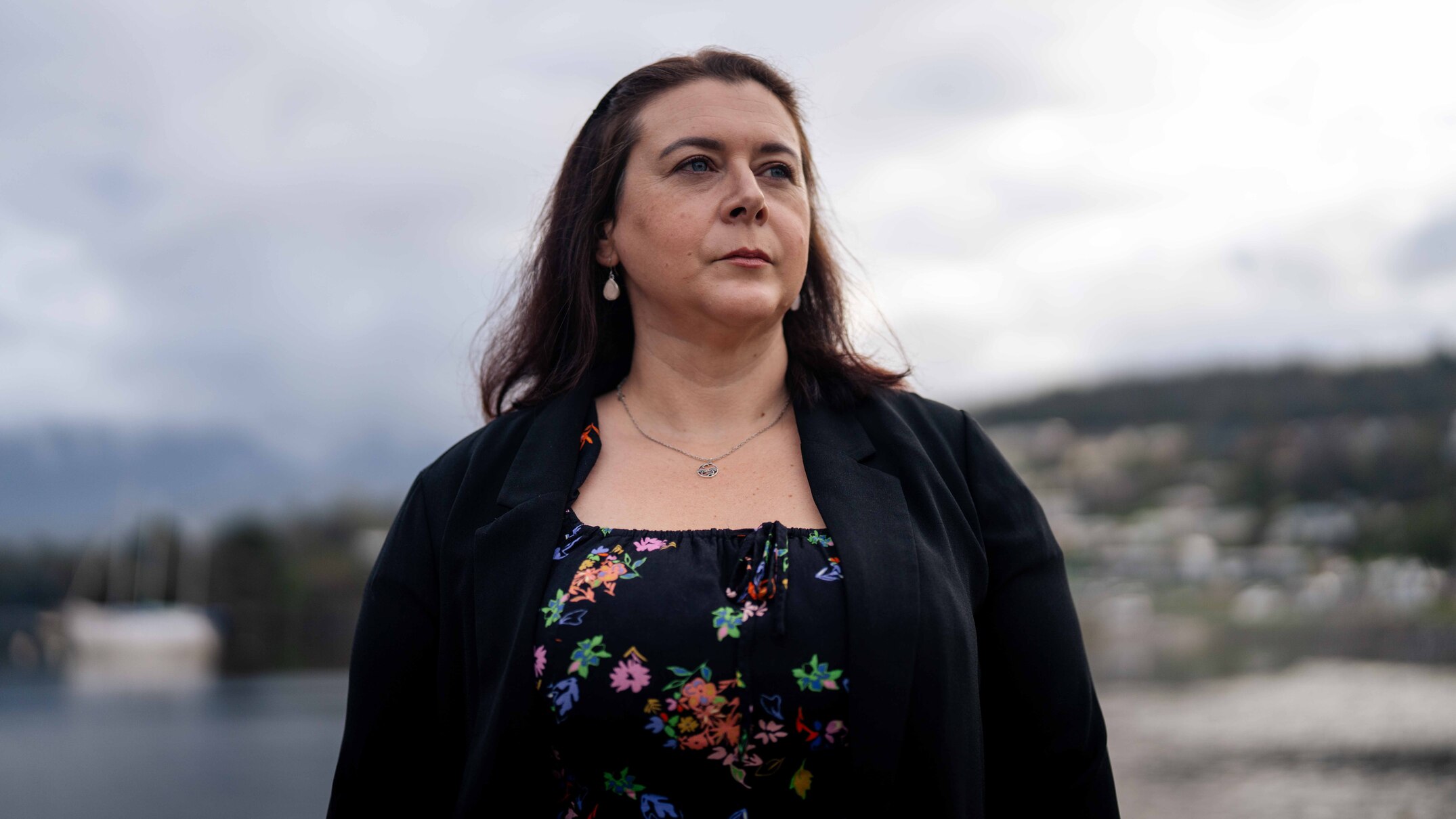
Kelly-Ann’s story is one of pain, frustration, and a system that seems to be struggling under the weight of its own challenges. Some days, she says she can barely get out of bed, the pain in her face so severe it feels like a constant burning sensation through her mouth, nose, and gums. This nerve damage is the result of multiple surgeries to correct a jaw issue, some of which were delayed. Now, she’s waiting for elective surgery that could alleviate her pain, but the wait has stretched over two years, with further cancellations along the way.
“I’ve become socially withdrawn because I can’t feel what my mouth is doing,” she explained. “I don’t like to eat in front of people.” As a single mother of two young children, she finds it difficult to explain her condition to them. Her experience highlights a broader issue: Tasmania’s elective surgery waitlist is currently around 9,500 people long, with 57% of patients receiving care within clinically recommended time frames.
Despite the government’s commitment to increasing health funding year on year, with an 8% rise over four years due to federal support, inflation is expected to rise by 11% during the same period. This means real-world funding will actually decrease. To meet budget targets, the Health Department must find $702 million in efficiency savings over four years.
Health Minister Bridget Archer emphasized the government’s investment in the health system, stating that the efficiencies are aimed at creating a sustainable healthcare model. However, concerns from parliamentarians and health stakeholders suggest that these cuts may have a negative impact on service delivery for Tasmanians.
Delays in Critical Medical Results
Penny’s situation illustrates another critical challenge in the system. She underwent a double mastectomy in early May after being diagnosed with an aggressive form of breast cancer. However, she is still waiting for pathology results to determine if the cancer has spread. The wait for these results, which will guide her treatment, could take six to 10 weeks.
“I feel like everything’s on hold until I have some level of certainty about what the next few months will look like medically,” she said. Penny admitted she considered sending her samples to New South Wales for faster testing, where results would take only one to two weeks. She expressed disappointment with the state’s health budget, noting that while staff are working hard, the system lacks sufficient resources.
The Department of Health declined to comment on individual cases but acknowledged the frustration caused by the cancellation of elective surgeries. It also stated its commitment to improving timely access to pathology services, including plans to recruit four additional full-time pathologists.
Cutting Costs Through Bureaucratic Efficiency
Efforts to reduce costs have focused on areas such as revenue collection and administrative streamlining. Health secretary Dale Webster mentioned targeting revenue collection by ensuring the department collects money owed from private health insurers or Medicare. Additional officers have been hired to focus on this task.
Webster also highlighted efforts to eliminate duplication, such as changing the way pharmaceuticals are ordered. By using just-in-time contracts rather than holding stock, the department saved $3 million. Other cost-saving measures include reducing locum and agency costs and revising the executive structure to meet the $702 million efficiency target.
The state budget emphasized prioritizing frontline services and improving service delivery outcomes. Webster noted that mass staff layoffs are unlikely, as the department can redeploy staff based on current turnover rates.
Calls for Reallocation of Savings
The Australian Medical Association (AMA) Tasmania president, Michael Lumsden-Steel, argued that the health system is no longer serving the Tasmanian population effectively. He acknowledged the need for efficiencies but stressed that any savings should be reinvested into programs that improve patient outcomes and access.
Lumsden-Steel pointed to the growing number of “clipboard holders” — staff whose roles are driven by governance, structural, or reporting requirements. He estimated that mandatory training alone costs $30 million annually. “Where we find efficiencies, they must be put into programs that improve outcomes and patient access,” he said.
Conclusion
From Kelly-Ann’s ongoing pain to Penny’s anxiety over test results, the challenges facing Tasmania’s health system are clear. While the government has committed to increased funding and efficiency measures, the reality for many patients remains one of long waits and limited resources. The question now is whether these efforts will translate into meaningful improvements for those who rely on the system every day.