A Legacy of Hope and Resilience
Professor Richard Scolyer, a groundbreaking melanoma scientist, captured the hearts of Australians when he was named Australian of the Year. His journey took an unexpected turn as he bravely experimented on his own brain cancer in the hope of finding a cure. Tragically, Richard passed away at the age of 59 after a long battle with cancer.
As his tumour returned with a poor prognosis, he shared his thoughts with The Weekly about life and hope. His story continues to inspire and resonate with many.
A Milestone Achieved
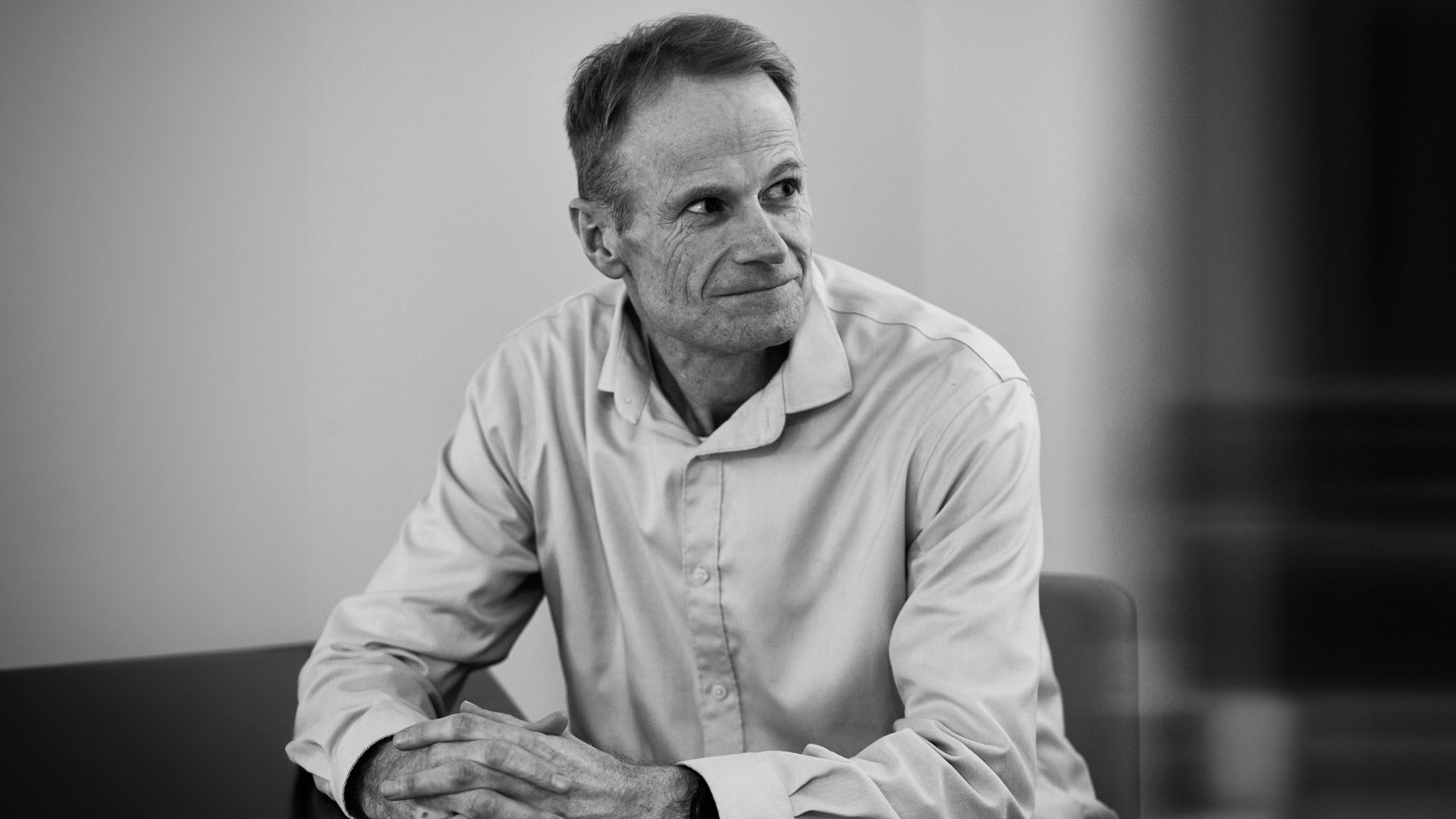
A double rainbow stretched across the sky as Professor Richard Scolyer completed his 250th Park Run. Hundreds of people, including loved ones and strangers, turned out to cheer the world-renowned cancer pathologist as he achieved this milestone, which he wasn’t sure he’d reach. Richard’s wife, Dr Katie Nicholl, was by his side as he broke through a banner at the end of the 5k track in Inner-Sydney Park.
The emotional crowd was a testament to how deeply Richard’s story has touched Australia. When he went public with his decision to fight his aggressive, terminal brain tumour with an experimental treatment, the nation followed his every update. The decision could potentially shorten his life, but it could also help advance the treatment for the deadly disease. There was a small chance it could save him.
Cancer Pioneer’s Health Update
As Richard’s scans continued to come back clear, Australians dared to hope we were witnessing the making of a medical breakthrough. Then, in March, Richard revealed that the tumour had returned. “The prognosis is poor,” he said. The moonshot treatment would not save him. His remaining time would likely be measured in months.
In the face of this hard news, Richard has found solace in his family and optimism in the data generated by his courageous experiment. There is, he says, “a lot of hope” that the treatment may help change the fate of other brain cancer patients in the future. As legacies go, it is a remarkable one. The indomitable doctor granted The Weekly some time to talk about bold science, what really matters and living a good life.
Reflections on Family and Life
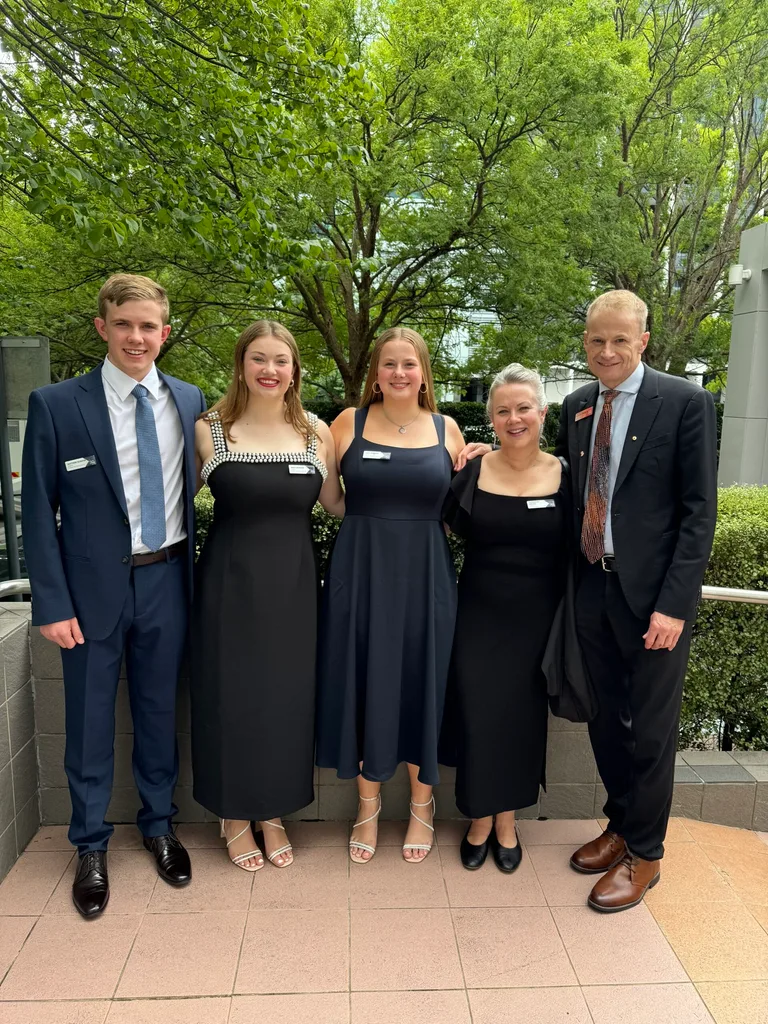
You’ve raised three great kids, Emily, Matthew and Lucy. What are you most proud of?
I’m very proud of them, but I guess any parent would say that about their children. They’ve been really kind to me. When I was a youngster, when I was at uni, I went to a different city. It was a different system back then. You had your independence, and you could do what you wanted, and you didn’t have to answer to anyone. I didn’t go back to see my parents during the term. Our kids are incredibly generous, and some of my son’s or daughter’s friends come along to do Park Run [the free, weekly 5km run, jog or walk that happens in parks and public spaces all over the world]. Little things like that are amazing. They’ve been very good.
Lessons from Living with Cancer
Your story has touched so many people. Have you learnt anything about living with cancer as a result of sharing your treatment journey?
When I first went open with the journey, I thought, ‘I’m not going to be here very long, I want to leave something to my kids to let them know about what I went through’. At the same time, I was getting bombarded with text messages. I couldn’t answer them all. Those two reasons together were the rationale for why I went public. I thought it was just going to be my friends, but it got bigger and bigger, and more and more people were interested. It’s definitely touched my heart that people want to know more.
The other side of the coin is, the people doing the tests are friends and colleagues, so you get a lot of insight into what the treatment means. I guess me putting it online gives people going through the same thing hope makes them feel they are not alone… I think it gives people hope when they can see how much effort and work is being put in trying to improve outcomes by talented doctors and scientists.
It’s having a big impact on the industry too and it’s raised awareness. It’s not going to keep me alive, but most people wouldn’t be alive at this stage with this kind of cancer. For whatever reason, I’m still doing pretty well.
Impact on Medicine and Personal Reflections
Your contribution to medicine is profound – you’ve devoted your career to saving the lives of people with cancer. Has going through this cancer journey yourself made you reflect on how meaningful your own work has been to others?
When you’re doing things, you don’t think necessarily so much on the impact that it’s had. I’m alive today, and still able to contribute to society. I think it’s important for me to stand up and keep pushing to make a difference for this disease. It’s very touching hearing from people who have lost loved ones or are patients themselves. It makes me realise that I am not alone in this, and so many of us face challenges in life.
After receiving your “worst of the worst” diagnosis, you embarked upon a courageous, experimental treatment. What can you tell us about the results of that treatment? Has it moved the dial for brain cancer research?
Because I understood this disease, we were in a position where we could do something that would make a difference – that would hopefully push the field forward a lot more quickly.
From what we’ve seen so far, there is a lot of hope that this treatment may be able to make a difference in the future. I guess optimistic is the right word. From my tumour, we’ve been able to generate scientific data that gives hope that this type of treatment might work for other patients. But I’m only one patient. It needs to be done formally as a clinical trial of a larger group of patients; there’s work to be done. It’s in the pipeline.
Finding Solace and Joy
What are you turning to for solace?
I like writing journal articles. I still go to work sometimes, but it’s not as much as I did before. Now, I work more from home. I’ve wound back a bit.
I’m spending more time with the kids. They’ve been incredibly kind to me now. They’ve always been kind. But what they’re doing, it blows me away how generous and kind they are. Taking time away from various activities to come and spend time with me.
I’m starting to cry as I speak about it because they have such wonderful lives. And giving some of that time up to spend time with me makes me feel very happy. We get to spend time together and do some fun things, and go outside. Even if it’s just taking the dog for a walk or going down to Park Run.
I’ve been to Chinatown with Lucy. That was so special when we did it. She loved taking me out and taking me to all the places that she goes with her friends. I love going outside, spending time with my friends and family and others.
Advice for the Younger Self
What advice would you give to your younger self?
The expectations were completely different to what they are now. The only reason I got to go to university was, in my mother’s family, if you were a bloke, you got to go to university. Many people who were just as smart as me didn’t get a chance to go to university because the family’s expectations were that you didn’t go.
You can still have an enjoyable and fulfilling life, no matter what choices you make. Every day, you make countless decisions about what you do and what brings you joy. Ultimately, it is your decision, your path, and as long as you’re finding enjoyment and staying connected with family and friends, that’s what truly matters. There’s no right or wrong, no better or worse, just the journey you choose to take.