Musician Chuck Redd Wins Legal Battle Over Kennedy Center Contract Dispute
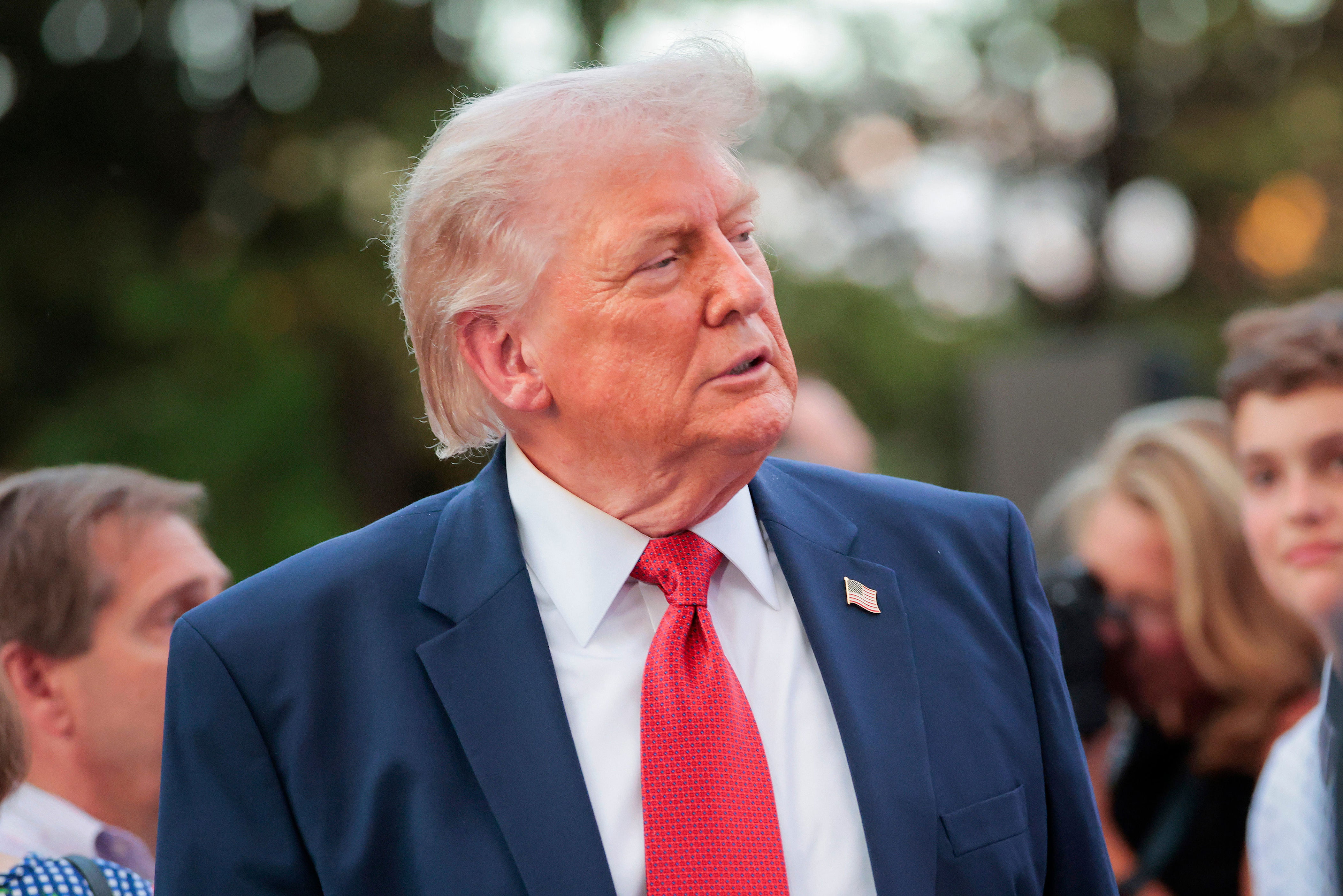
A D.C. Superior Court judge has thrown out a breach of contract lawsuit against acclaimed jazz musician Chuck Redd. The case stemmed from Redd’s decision to cancel his Christmas Eve performance at the prestigious Kennedy Center, a move he stated was a protest against the influence of then-President Donald Trump over the venue. The ruling, handed down on Friday, leveraged Washington D.C.’s Anti-SLAPP (Strategic Lawsuit Against Public Participation) laws, which are specifically designed to safeguard free speech from what are deemed frivolous legal challenges.
Redd, a celebrated drummer and vibraphone virtuoso who has shared stages with legendary figures such as Dizzy Gillespie and Ray Brown, had been a consistent presence at the Kennedy Center for years. He had been the host of the venue’s popular holiday “Jazz Jams” since 2006. His decision to withdraw from last year’s scheduled performance followed a vote by the Kennedy Center’s board, which had been appointed by Donald Trump. This vote controversially proposed adding Trump’s name to the performing arts facility.
Lisa J. Banks, one of Redd’s legal representatives, expressed her satisfaction with the court’s decision. She stated, “The Center sued Mr. Redd because he publicly and rightly objected to adding Donald Trump’s name to the Kennedy Center, a living memorial to former President John F. Kennedy. The lawsuit against Mr. Redd was political retribution, pure and simple, by the Trump Kennedy Center, and the Court correctly saw it as such in dismissing the case with prejudice.”
In his own statement, Redd conveyed his relief and pleasure with the judicial outcome. “I am very pleased with the judge’s ruling,” he commented via email.
The legal team representing Chuck Redd had filed a motion to dismiss the lawsuit in March. This motion successfully argued that Redd was not bound by any contractual obligation to perform. A key point of contention was that the contract provided by the Kennedy Center had never been formally signed by the artist, rendering it invalid.
As of reporting, representatives for the Kennedy Center have not yet issued a response to inquiries seeking comment on the dismissal of the lawsuit.
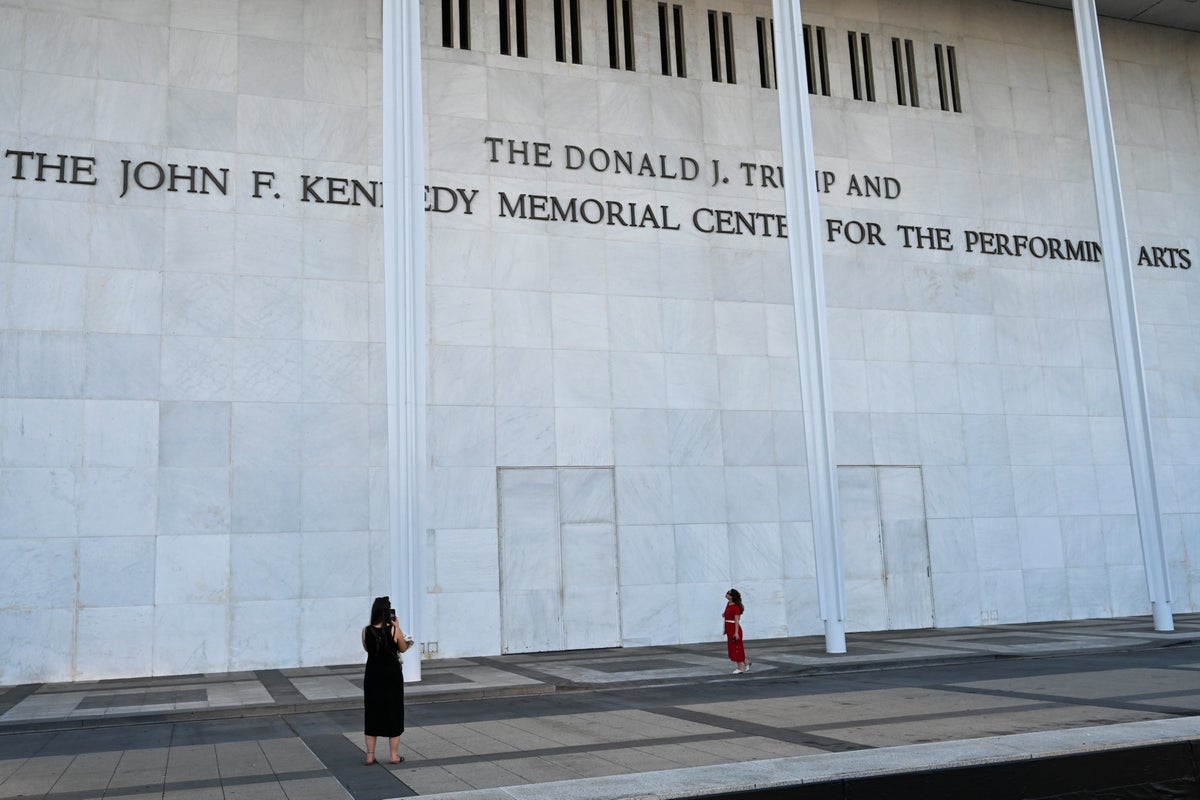
This legal development comes just days after a separate, significant decision concerning the Kennedy Center’s naming conventions. Reports, citing an internal memo obtained by a prominent newspaper, indicated that the Kennedy Center had instructed its employees to immediately remove President Donald Trump’s name from the John F. Kennedy Center for the Performing Arts building. This directive also extended to stripping the president’s name from the venue’s website, signage, brochures, and all other official materials.
The impetus for this internal action appears to have been a prior ruling by a federal judge. This judge determined that neither the sitting president nor the Kennedy Center’s board of trustees possessed the legal authority to append Trump’s name to the esteemed institution. The federal judge’s reasoning was that only the United States Congress held the power to make such an addition to the center, which was originally dedicated in honour of former President John F. Kennedy.