
World Cup Kicks Off: A Deep Dive into the Expanded 48-Team Tournament
Get ready, football fanatics! The much-anticipated 2026 FIFA World Cup is about to kick off, and this year promises a spectacle unlike any other. For the first time in history, the tournament will feature an expanded 48 teams, a concept largely championed by FIFA president Gianni Infantino. This significant shift means more nations, more drama, and more global representation as the world’s best vie for football’s ultimate prize.
The action officially gets underway at 5am on Friday, with co-host Mexico facing South Africa in a curtain-raising match in Mexico City. This year’s World Cup is being jointly hosted by Canada, the United States, and Mexico, marking a monumental event across North America.
With 48 teams divided into 12 groups, the format has been adjusted to accommodate the increased number of participants. The top two teams from each group, along with the eight best third-placed finishers, will advance to the knockout stage, a thrilling round of 32. To help you navigate this expanded field, we’re launching into a comprehensive group-by-group analysis, starting with the initial fixtures.
Group A: Home Advantage and Familiar Faces
The Favourite: Mexico
Mexico enters Group A as the clear frontrunner, buoyed by the immense advantage of playing on home soil. The experienced striker Raul Jimenez is reportedly in stellar form, and the team’s historical success as hosts – reaching the quarter-finals on two previous occasions – suggests they are capable of a deep run. A rising star to watch is the 17-year-old midfielder Gilberto Mora, whose talent is already generating significant buzz. Fans might feel a sense of déjà vu as Mexico opens the tournament against South Africa, a fixture that also marked the beginning of the 2010 World Cup. However, for South Africa, known as Bafana Bafana, overcoming Mexico in this setting appears a formidable challenge.
The most significant contender to Mexico’s top spot is likely South Korea. This tournament is expected to be the last World Cup appearance for their talismanic captain, Son Heung-min. Czechia makes their return to the World Cup stage for the first time since 2006, and only their second since the dissolution of Czechoslovakia. With most of their squad based domestically, their path to the knockout rounds will likely hinge on securing one of the coveted third-place spots, if those prove sufficient.
Group B: Swiss Precision and a Canadian Spark
The Favourite: Switzerland
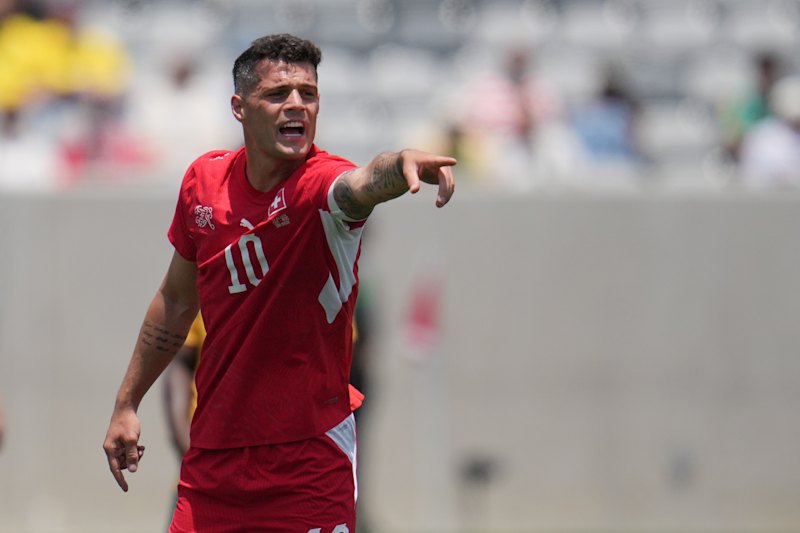
Switzerland is expected to dominate Group B with a well-drilled and experienced squad. Many of these players were part of the team that narrowly lost to England in the Euro 2024 quarter-finals. Their technical ability on the ball is impressive, and with Granit Xhaka pulling the strings in midfield, they possess the capacity for moments of brilliance when afforded space.

The real battle in this group is for the runners-up position, and a distinct pecking order seems to be emerging. Co-hosts Canada possess a significant home-field advantage, amplified by the presence of their captain, Alphonso Davies, widely regarded as their greatest-ever footballer. Bosnia and Herzegovina are likely still riding the wave of confidence from their remarkable qualifying triumph over Italy. Qatar, the two-time Asian champions, faces a stark reality. Following a disappointing debut as hosts four years ago, their recent form has been concerning, including a goalless draw against El Salvador and a narrow loss to Ireland. Their tournament journey is unlikely to be a lengthy one.
Group C: Brazil’s Quest and Morocco’s Momentum
The Favourite: Brazil
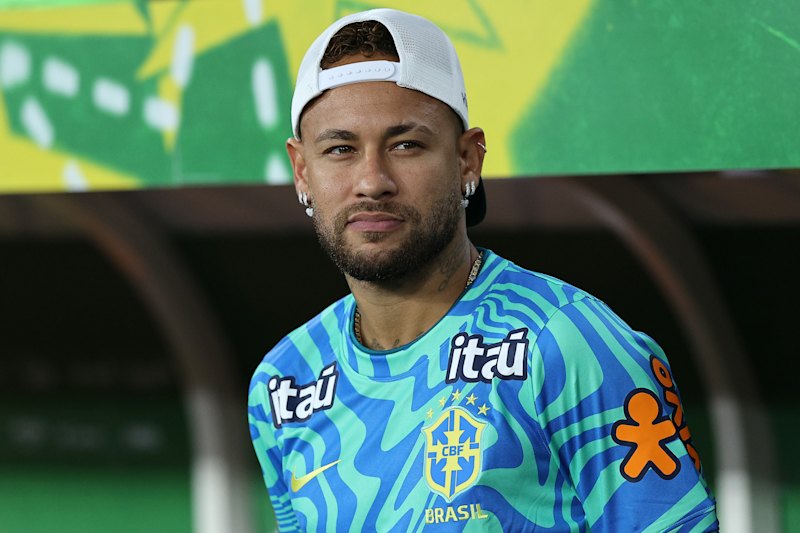
Under the guidance of Carlo Ancelotti, Brazil is on a mission to secure their sixth World Cup title and is the strong favourite to win Group C. However, the extent of their campaign remains a subject of speculation. Lingering injury concerns surrounding Neymar cast a shadow, and their qualification performances were not always convincing. Nevertheless, Brazil’s unparalleled depth of talent is undeniable. Vinicius Junior stands as one of the world’s most electrifying forwards, and Ancelotti’s familiarity with him from their time at Real Madrid should facilitate optimal performance.
Morocco, a nation experiencing a footballing renaissance, finished an impressive fourth in the last World Cup and will be co-hosting the next edition. They are eager to maintain their upward trajectory. Failing to secure the second spot in this group would be a significant upset. Scotland’s best chance lies in sneaking through as a third-placed team, though their passionate supporters are sure to be a highlight of the tournament. Haiti, who qualified as one of the three CONCACAF co-hosts, might be underestimated. However, a commanding 4-0 friendly victory over New Zealand suggests they could prove to be a tricky opponent.
Group D: The “Group of Death” and Australian Hopes
The Favourite: Turkey
Group D is shaping up to be the tournament’s most unpredictable, with any finishing order entirely plausible. Turkey boasts the strongest pedigree, spearheaded by emerging talents Kenan Yildiz and Arda Guler. They are a tough proposition for the top spot. This marks their first World Cup appearance since their third-place finish in 2002, and the immense emotional investment from their football-loving nation can be both a driving force and a significant pressure.
The United States will benefit from the home-ground advantage, a factor that can significantly boost a team’s performance, and they possess one of the strongest squads in their history, according to many of their own pundits. Paraguay demonstrated remarkable resilience in qualifying, defeating Brazil, Argentina, and Uruguay, and their defence appears exceptionally stout.
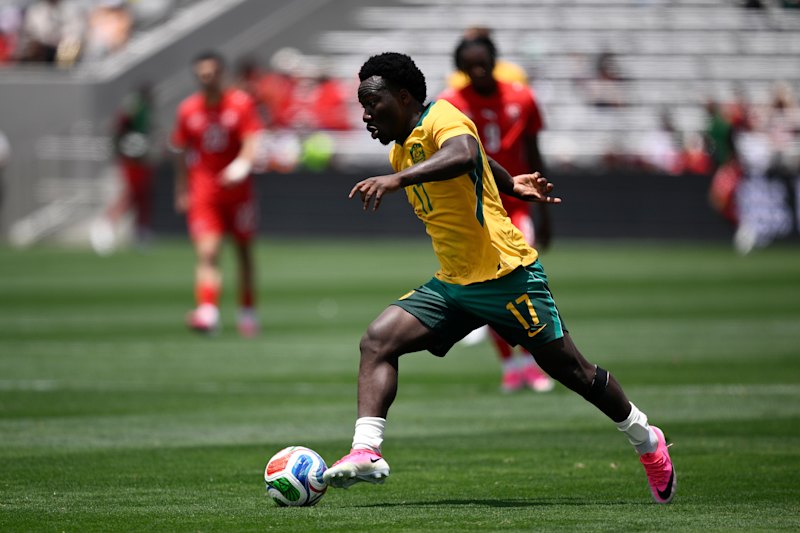
The Socceroos, Australia’s national team, could be a surprise package. Their performance will depend on how their raw talent adapts to the immense pressure of the World Cup stage. The ability of young stars like Nestory Irankunda, Mohamed Toure, Jordan Bos, and Cristian Volpato to manage their nerves on this grandest of platforms will be crucial. While Australia has been widely written off – a familiar narrative that often spurs them to perform above expectations – we predict they will secure the second position in this fiercely contested group.
Group E: German Rejuvenation and Ecuadorian Grit
The Favourite: Germany
After failing to advance from the group stage in the last two World Cups, Germany is determined to avoid a repeat. Under Julian Nagelsmann, a significant improvement is expected, though topping the group is far from guaranteed. The emergence of Ecuador presents a serious challenge. They conceded a mere five goals in 18 qualifying matches across South America and possess their strongest chance to progress beyond the first knockout round. Their formidable defence is anchored by the formidable pairing of Willian Pacho (Paris Saint-Germain) and Piero Hincapie (Arsenal), who recently faced each other in the UEFA Champions League final. Further solidifying their midfield is Chelsea’s Moises Caicedo, forming a formidable defensive spine.
Curacao will likely be dismissed by many, and understandably so. However, their squad, comprised of experienced diaspora players from the Netherlands, will offer tougher opposition than their pedigree might suggest. Côte d’Ivoire returns to the World Cup for the first time since 2018 but lacks the star power of previous generations, with no players currently on the level of legends like Drogba or Yaya Touré.
Group F: The Dutch Masters and Japan’s Dark Horse Potential
The Favourite: Netherlands
Can this experienced Dutch squad make another deep run in the tournament? Four years ago, they were eliminated by the eventual champions, Argentina. This is likely the swansong for captain Virgil van Dijk and star striker Memphis Depay, both of whom are well past their prime. The pipeline of young talent coming through does not appear to be strongly represented in this current squad.
The expectation is that the Oranje will top the group, but they anticipate a stern challenge from Japan. The Samurai Blue have emerged as a popular dark horse pick to win the entire tournament. No team from outside Europe or South America has ever lifted the World Cup, and Japan is perhaps best positioned to break that streak, boasting a squad rich with talent honed at the highest levels of club football.
The remaining two teams in the group present a more even contest. Sweden secured their spot through UEFA’s qualification system, benefiting from their Nations League performance, but will be without a key attacker in Dejan Kulusevski. Tunisia, meanwhile, are always a physically demanding opponent.