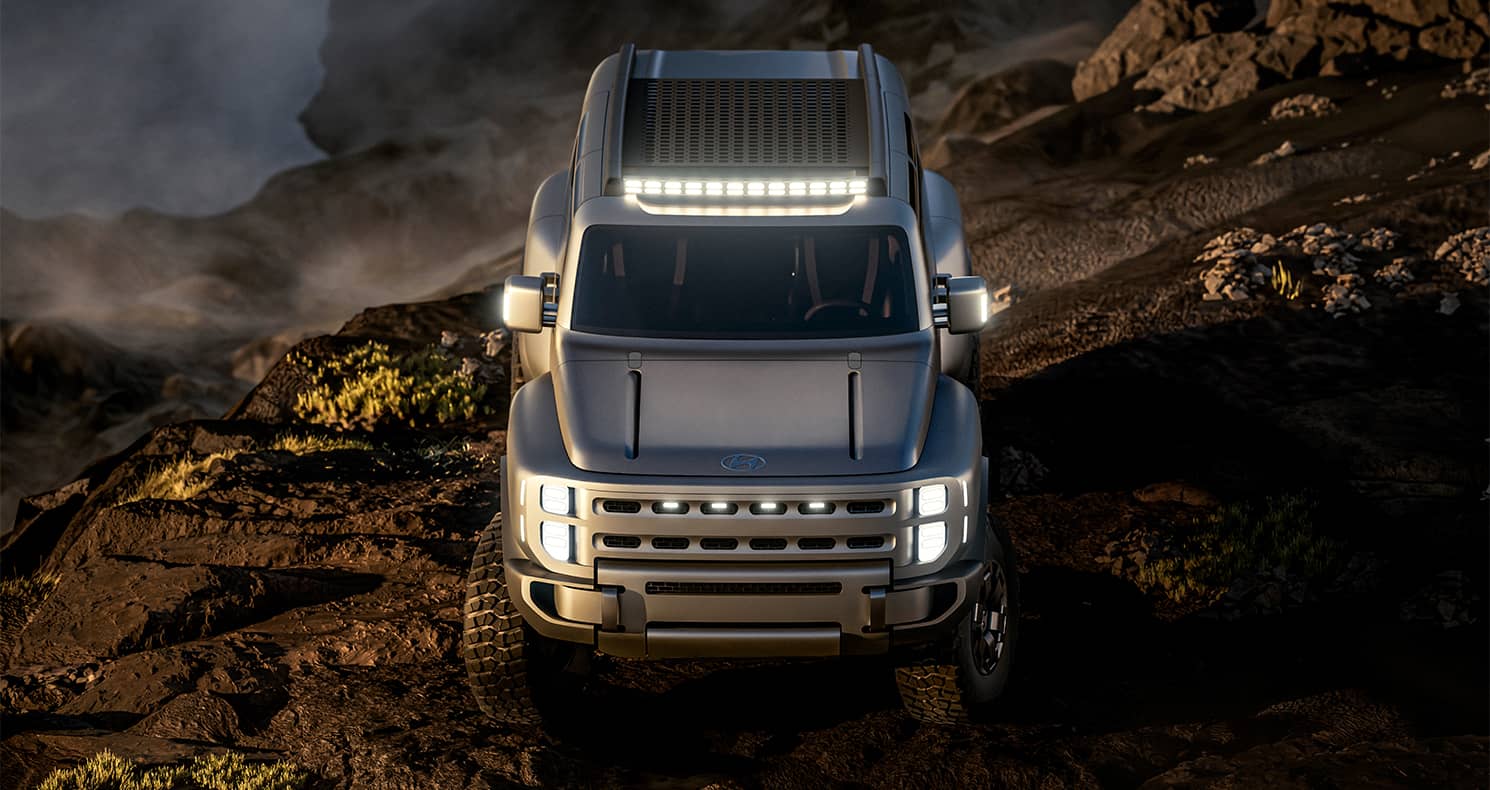
China may hog much of the automotive headlines nowadays, with its aggressively and allegedly heavily-subsidised cheap vehicle-export strategy.
But it is the South Korean carmakers Hyundai, Kia and even KGM (formerly SsangYong) that have come of age this decade, through engineering excellence, bold design, visionary product planning and sheer value for money that is the envy of the rest of the world.
In fact, every year since 2020, a Korean vehicle has stood out above all others in some way, showing up anything Japan, Germany, France, Italy and America can do.
Read More About
・Major Kia Tasman change coming
・2026 Kia EV3 and EV5 electric cars sales surge in Australia as brand makes big EV push to battle BYD
Korea is the actual fear of the rest of the world, and here’s why.
EV innovation
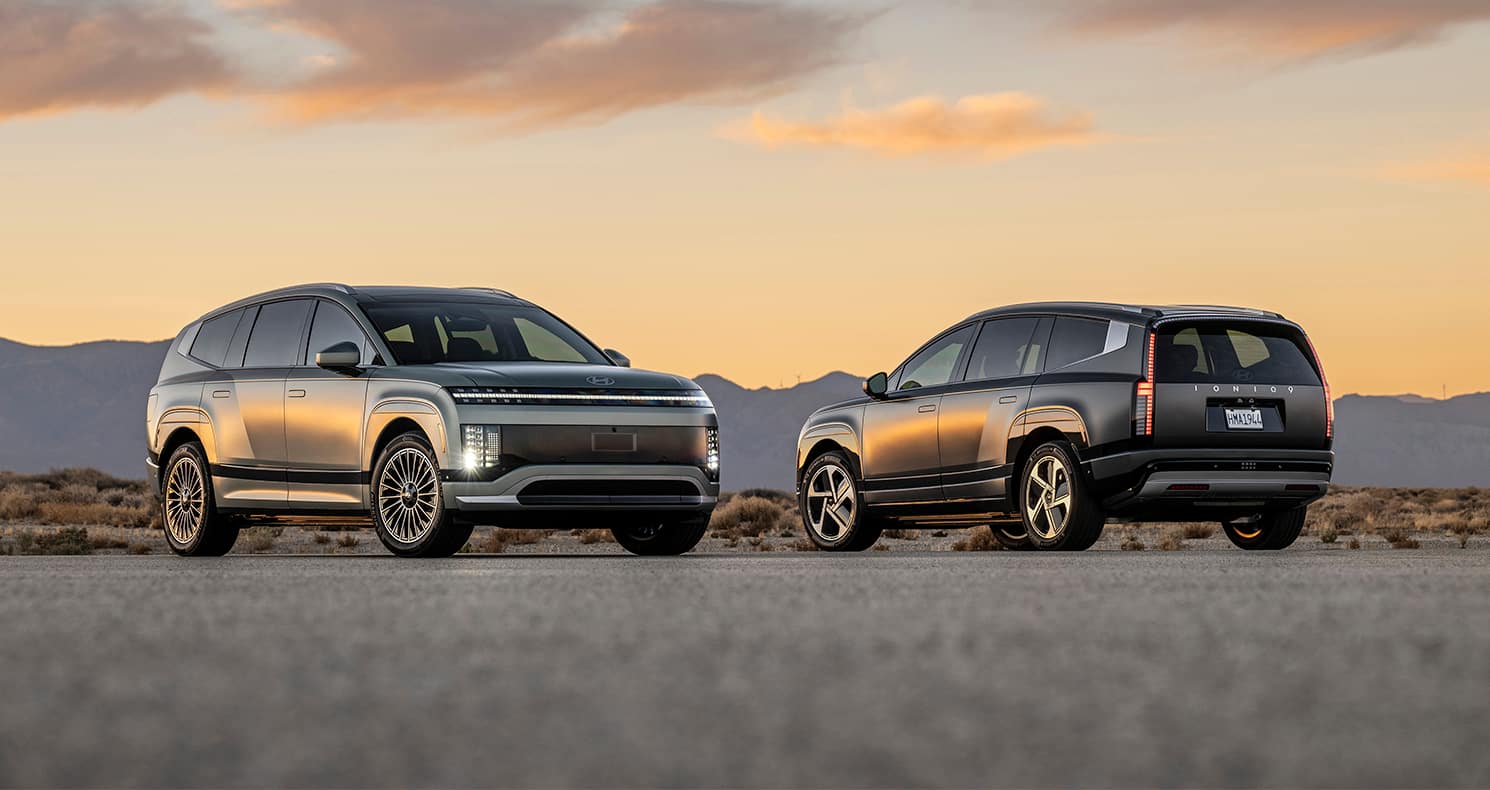
China dominates the electric vehicle (EV) segment in many parts of the world with unfeasibly inexpensive models that have democratised the technology.
But the Hyundai Motor Group (HMG), which includes Kia, that makes the best affordable EVs, due to progressive technologies that, in models like the Hyundai Ioniq 5 and Kia EV6, have included faster-charging 800-volt architectures, Vehicle-to-Load (V2L) tech and other advancements that were the provenance of high-end European marques like Porsche.
And let’s not forget the brilliant ballistic missile that is the Ioniq 5 N, a performance grand-touring hot hatch that redefines what an EV can do.
HMG invested billions in electrification well before most other mainstream carmakers during the 2010s, gaining experience with early EVs like the original, Toyota Prius-esque Ioniq, Kona Electric and Kia Niro EV, allowing Korea to forge ahead with next-gen models nowadays.
A Car of the Decade nominee
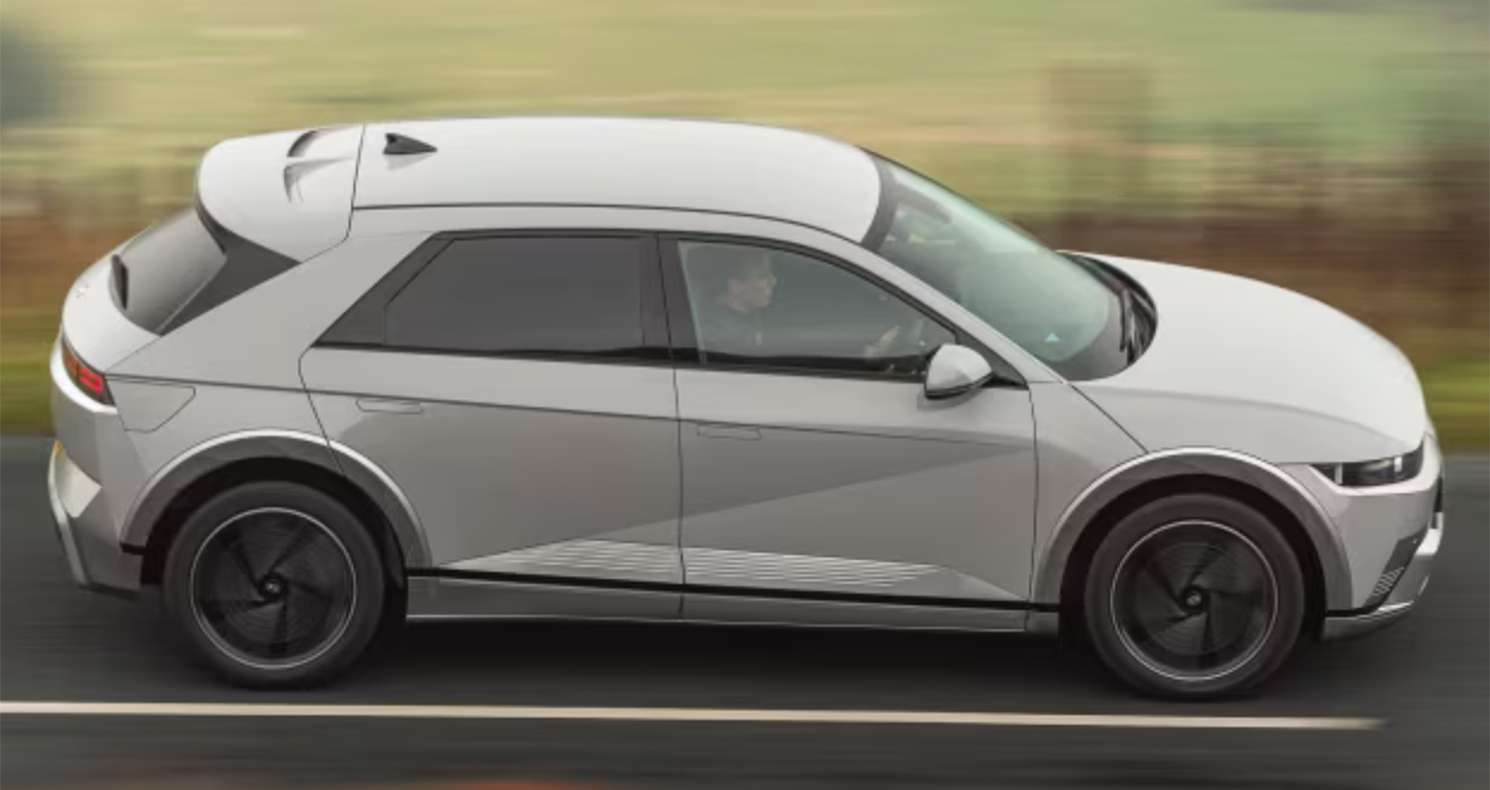
Sticking with the Ioniq 5, this is an incredibly talented mid-sized SUV for a number of other reasons besides breakthrough EV engineering, such as for design, interior packaging and overall sophistication.
It still turns heads with crisp, timeless design that plays lip service to Hyundai’s first in-house-developed production car (the 1970s Pony), while it has a loping, relaxed refinement that embarrasses most other SUVs, period.
For us, the Ioniq 5 remains a leading candidate for the car of the decade, even though it launched back in 2021.
The $50K EV masterpiece
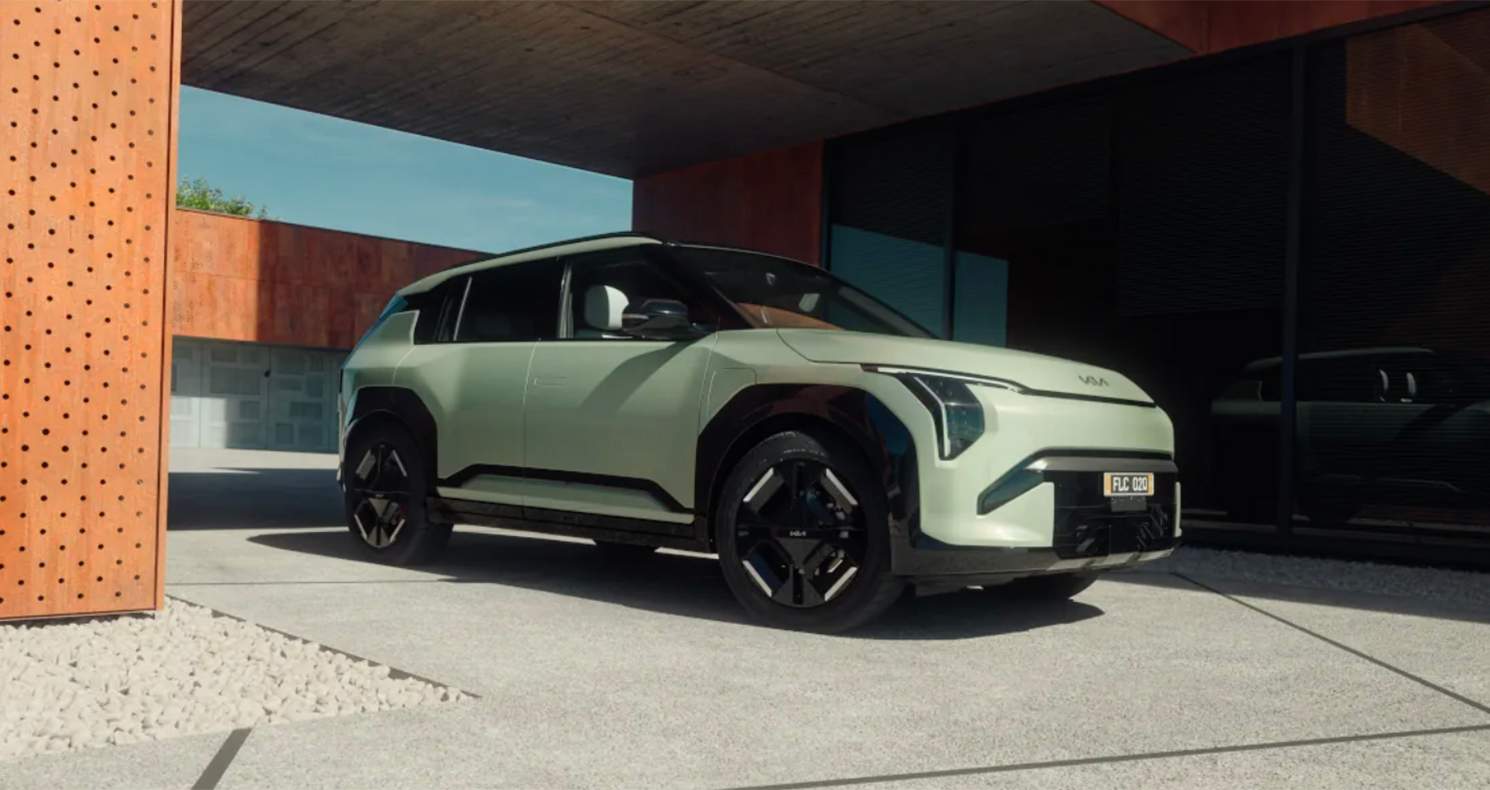
In 2026, the Kia EV3 is arguably the best small SUV EV for the money on a number of fronts, especially where Chinese vehicles struggle with, including unintrusive advanced driver-assist systems (ADAS) tech, user-friendly vehicle controls, regional steering and suspension tuning and Australia-wide servicing access.
More than the sum of its parts, the EV3 simply behaves and drives like a good car should, with few vices or frustrating surprises.
The spirit of Holden Commodore and Ford Falcon live on!
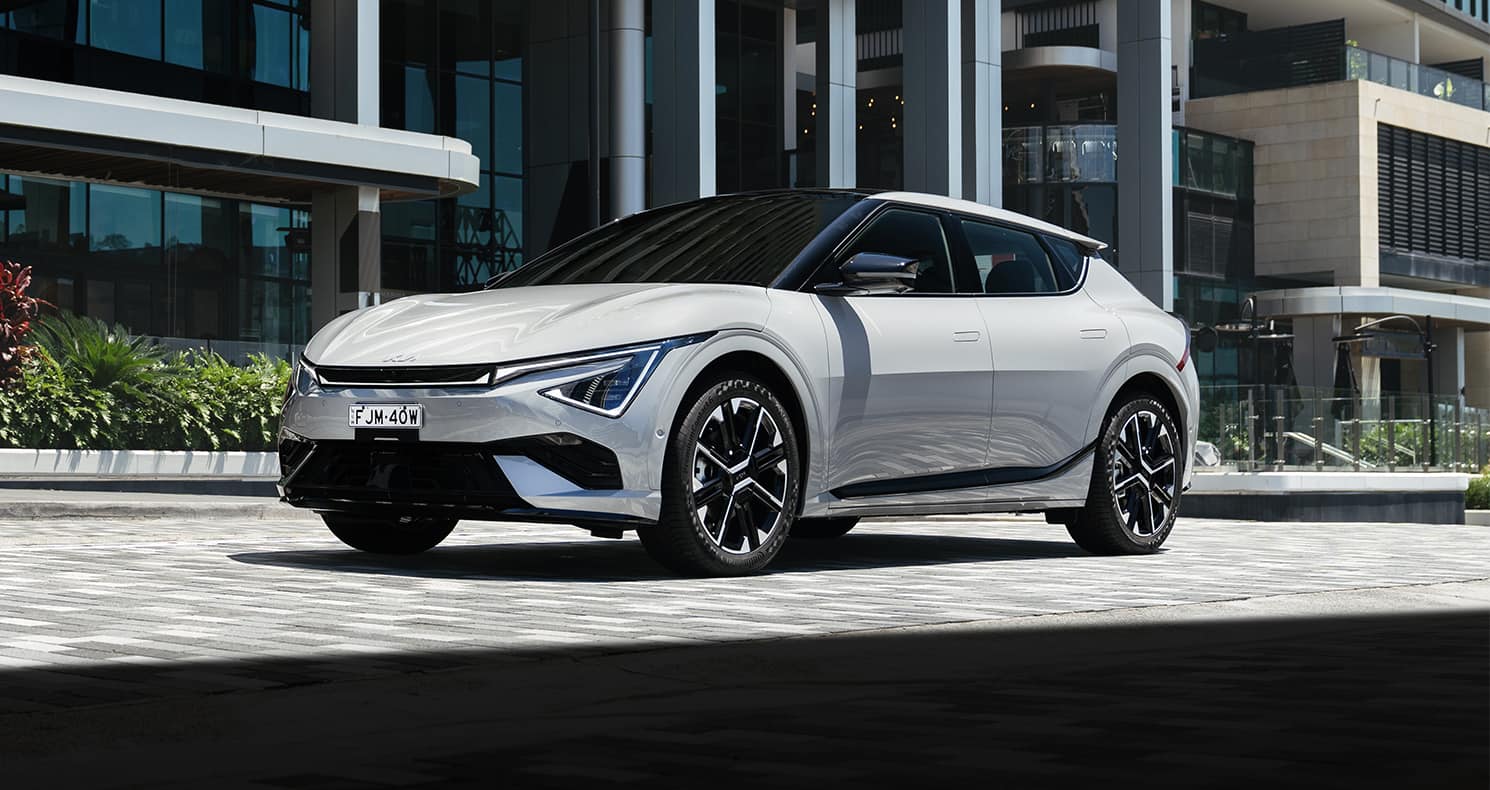
Everybody remembers the Kia Stinger of 2017, an ambitious but ultimately doomed final attempt at a large, rear-drive family sedan in the mould of the Holden Commodore and Ford Falcon.
A glorious failure, it cemented Kia a place in the hearts of performance family sedan fans.
Except… its spirit lives on in the award-winning Kia EV6, the just-as-talented but far-sleeker cousin to the Ioniq 5, melding the packaging, practicality and performance of, say, a VF SS or Falcon XR6 Turbo, within an EV proposition.
And, guess what, with Millennials and Gen Z buyers rejecting SUVs and crossovers as daggy and boring, it is Kia that is poised to step up with a cool, sleek and sophisticated liftback. So much more mature and charming than a Tesla Model 3.
Prioritising value not cheapness
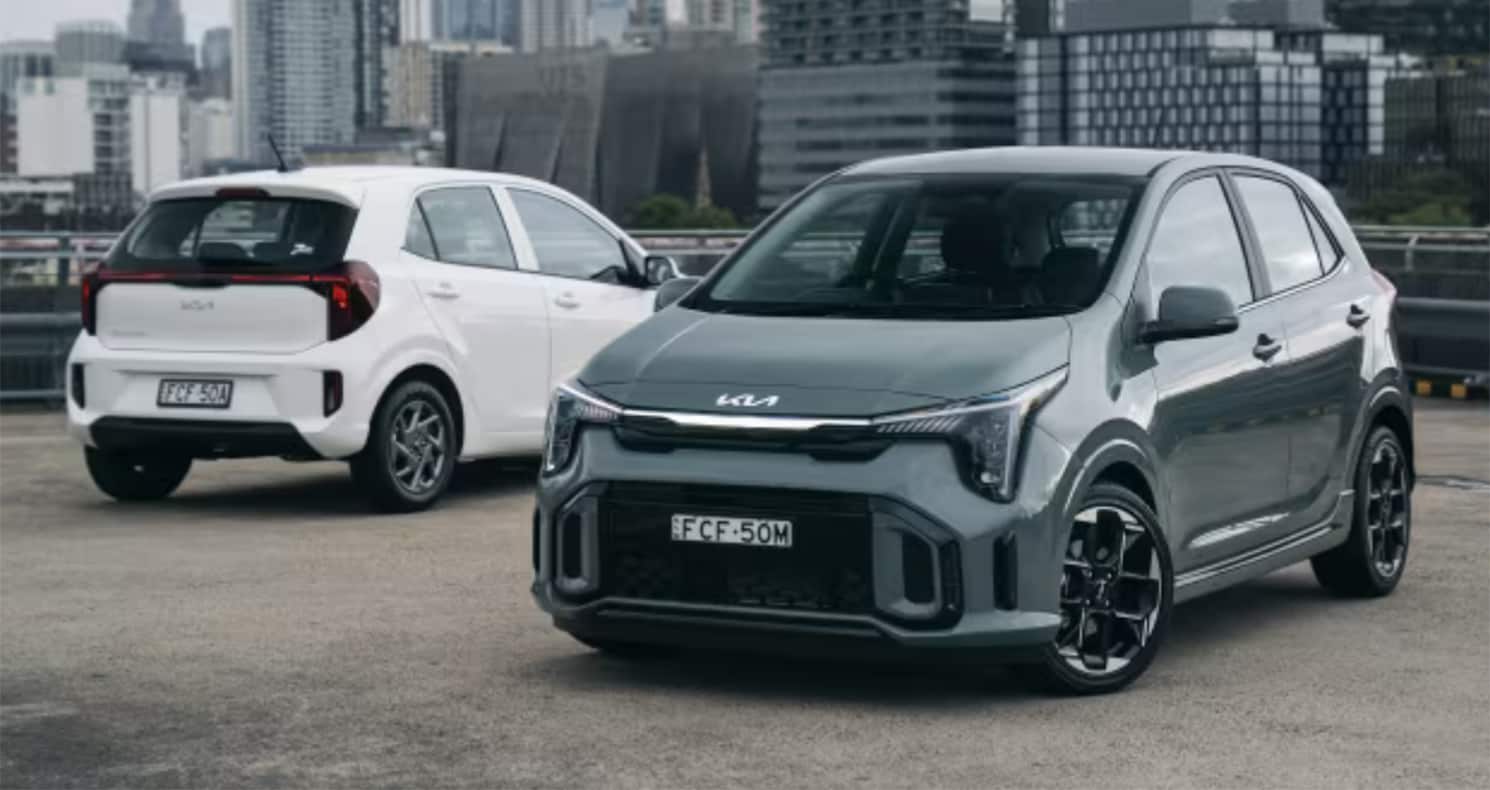
For most of this decade, it has been Korea that has offered Australia’s cheapest new car in the Kia Picanto.
Yes, it’s old and one of the smallest on the market, but the Picanto’s proven reliability, solid engineering, decent safety specification, long warranty, dealer-network back-up and decent dynamics make it a dependable and enjoyable runabout.
Nowadays the improved second-gen MG 3 is nipping at the Kia’s heels, but Kia has no intention of abandoning the bargain basement in Australia… we hope.
Making a better medium-sized diesel ute
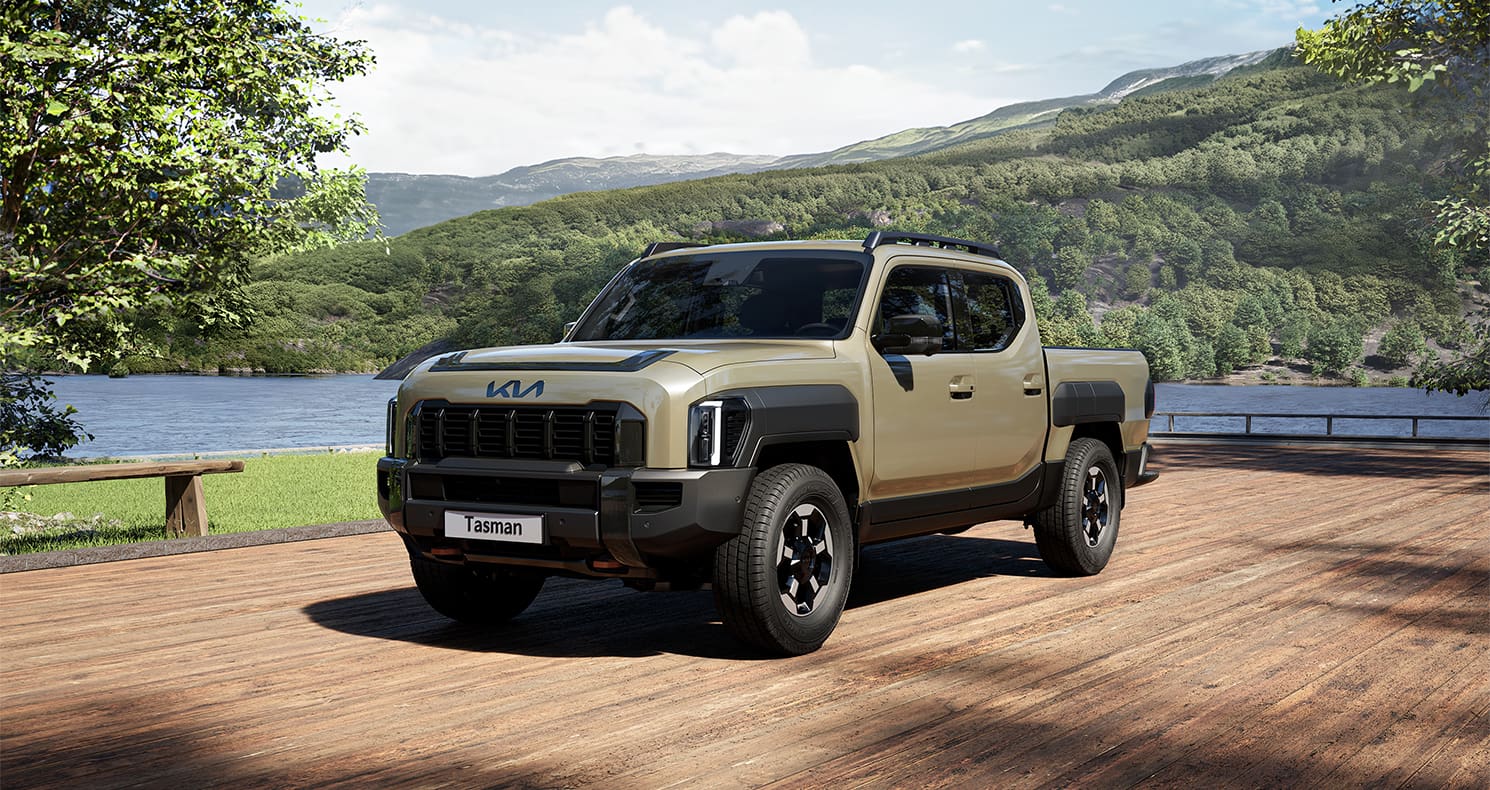
Kia has obviously shot itself in the foot with the Tasman because of its kooky, oddball styling.
But the sole Korean body-on-frame one-tonne ute is currently the best in its diesel-powered class, with a lovely, refined and roomy interior, excellent workhorse capability, a powerful yet proven and efficient powertrain and pleasing servicing back-up.
The Tasman is also impressive to drive, and we do not hesitate to recommend one over its rivals – especially as a long-term ownership proposition.
No DPF issues like the Toyota HiLux or engine-belt and transmission problems that reportedly afflicts the Ford Ranger, either. The Kia is a better vehicle than either of these segment best-sellers in our estimation.
The world’s greatest urban EV ute?
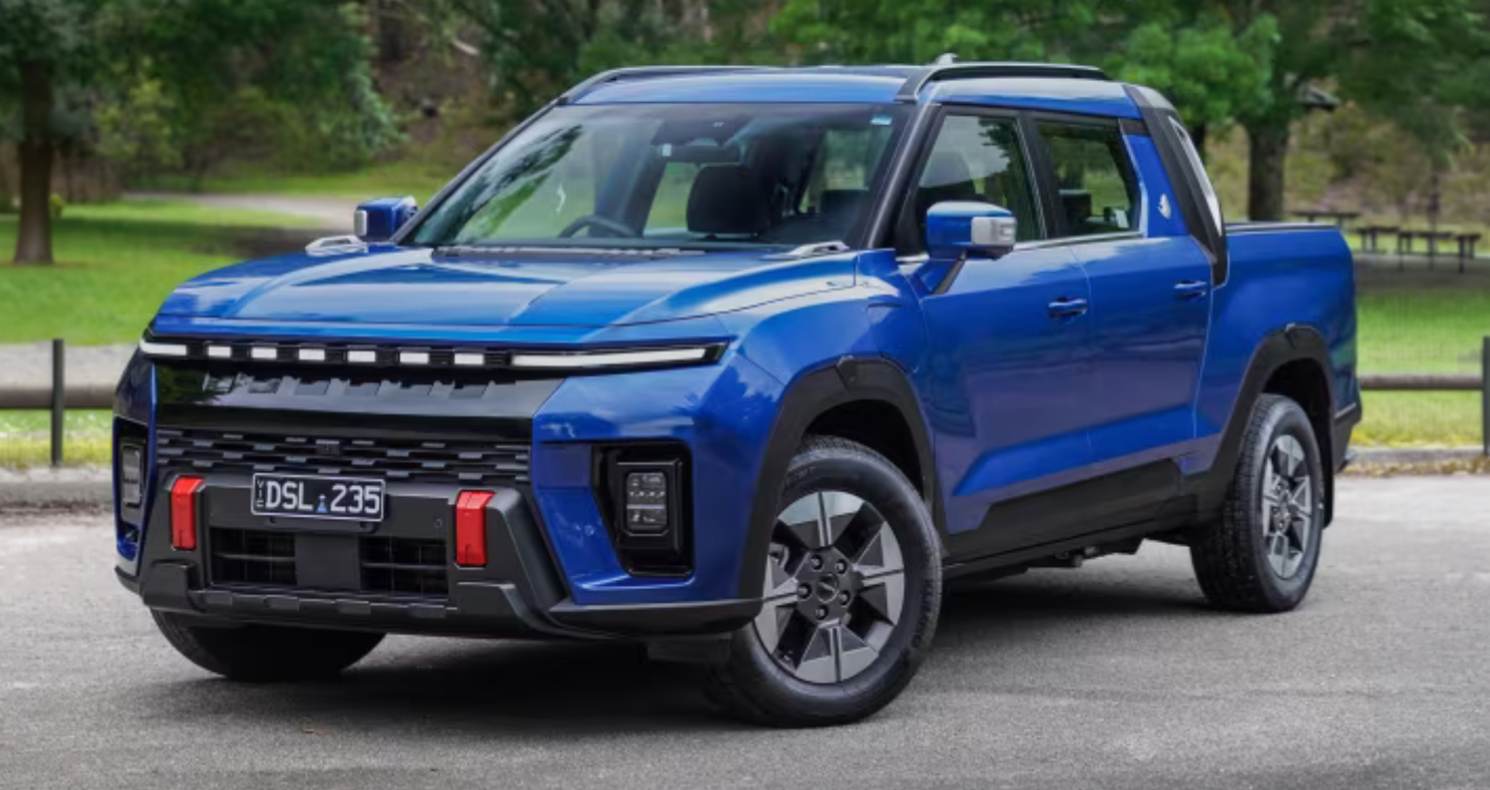
In North America, the Ford has prised open the car-based, monocoque-bodied, dual-cab ute market wide open with the SUV-derived Maverick, and that’s a deserved success for the hybrid and turbo-petrol-powered pick-up
Yet it is Korean minnow KGM that has pioneered the similar concept, but as a battery electric ute, with the Musso EV.
Along with being a good-looking, comfortable and refined five-seater family car, it is keenly priced, well equipped, decent to drive and everyday-useable thanks to a WLTP range of between 380km and 420km.
Plus, and, in keeping with the Musso heritage, there is some ute functionality on offer, including AWD availability and an 1800kg braked towing capacity.
There’s nothing even remotely like it in Australia right now that combines all of the above, except from KGM. Which shouldn’t be too surprising, given that the original Korando all the way back in 1983 was named for the contraction of the term “Korea can do”.