A Tragic Journey to Justice
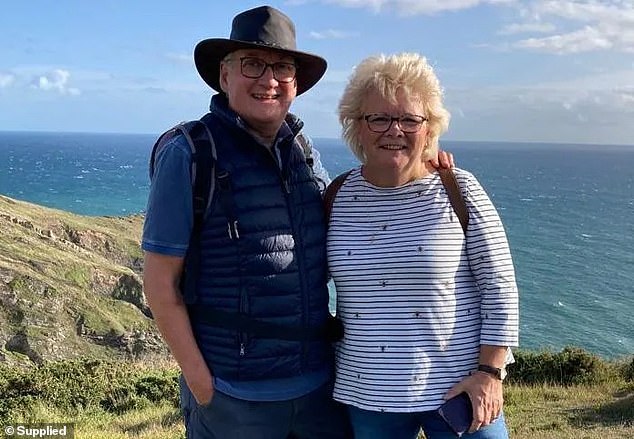
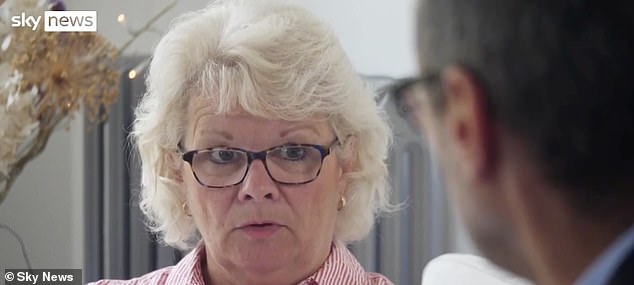
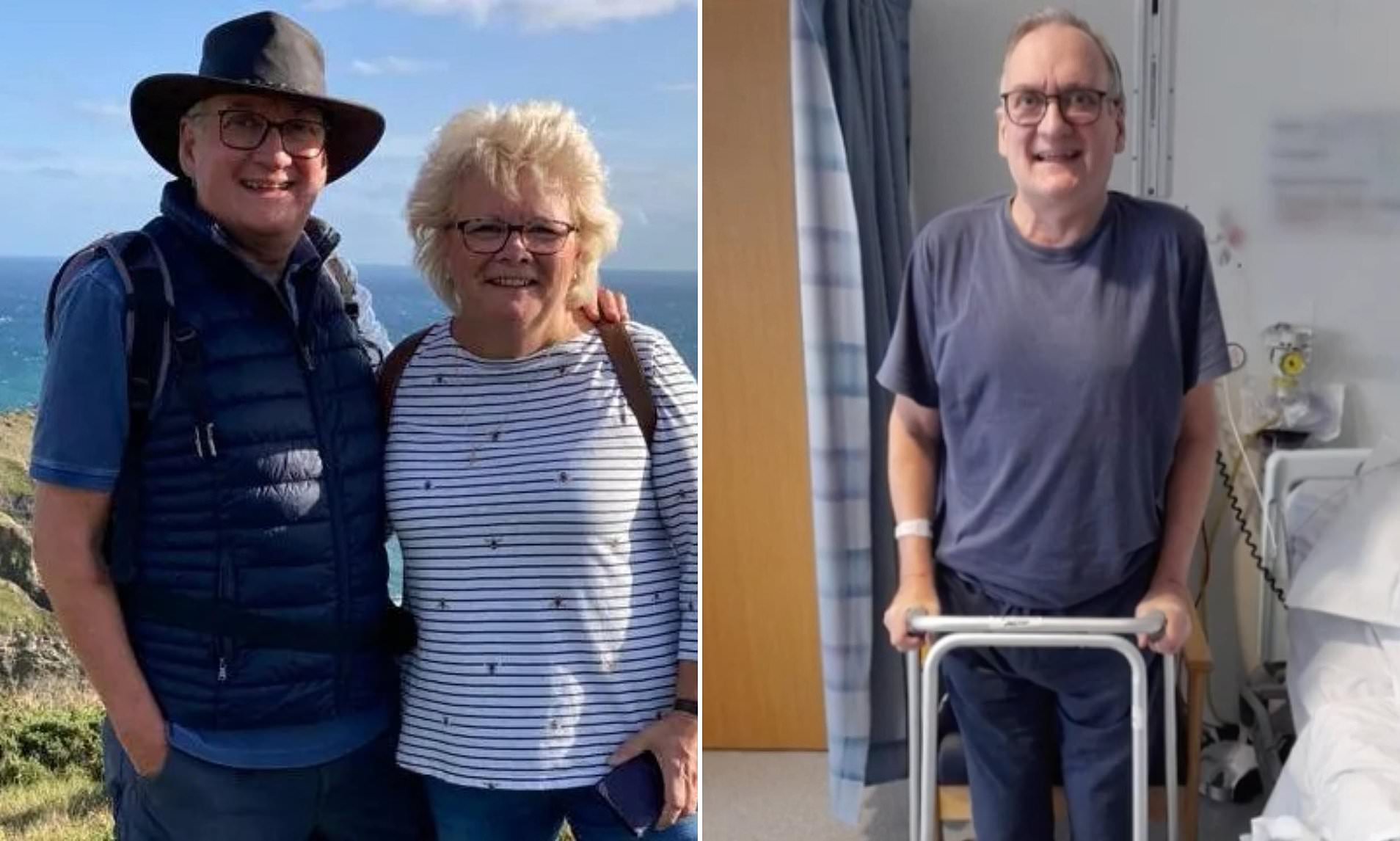
The story of John Cross, a devoted NHS pharmacist who lost his life after suffering severe side effects from the AstraZeneca vaccine, has taken a long and painful journey through the legal and medical systems. His widow, Christine, has finally been awarded compensation nearly three years after his death, marking a bittersweet victory for the family.
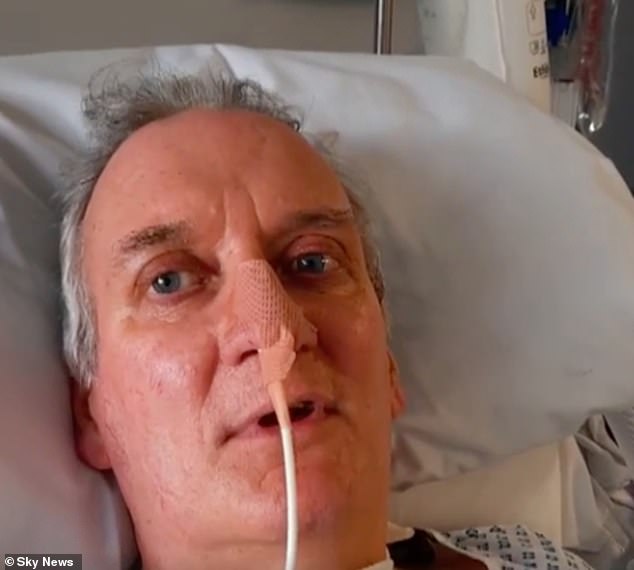
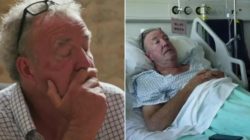
John Cross experienced a rare reaction to the vaccine that left him in critical condition. He was admitted to the hospital on a ventilator, unable to move, talk, or breathe. Despite some recovery, he never fully regained his health. His condition led to progressive paralysis, which eventually resulted in chronic pain and numbness. Doctors diagnosed him with Chronic Inflammatory Demyelinating Polyneuropathy, a condition that causes nerve swelling and leads to loss of strength and sensation.
Despite his illness, John was denied compensation under the government’s Vaccine Damage Payment Scheme (VDPS). After two years of waiting for a decision, he was told by a medical assessor that he wasn’t disabled enough to qualify for the £120,000 payout. This rejection had a severe impact on his mental state, and in October 2023, at the age of 65, he took his own life.
The Family’s Fight for Compensation
John’s family continued to appeal for posthumous compensation, but their efforts were met with further rejections. However, this did not deter them. They believed that their fight was not just for themselves, but for others who might face similar struggles.
Cross’s daughter, Liz Whitehead, shared her thoughts on the emotional toll of the process. She said: “There were a lot of times during those years when we thought: ‘Shall we just leave it?’ Because we were bereaved, and this was sucking up all our emotional energy and dad wouldn’t want that for us. He would want us to move on and be happy.”
But they knew they had to continue. “If we could stop one other person from feeling suicidal then we had to do it. Dad would want … people to have hope that you can take on a really flawed system and win.”
John had always been a strong supporter of vaccination, even volunteering to help with the rollout in Bromsgrove. He was one of the first to receive the AstraZeneca vaccine. However, two weeks later, he began experiencing progressive paralysis that spread through his body. He was admitted to intensive care, where he required a breathing tube and nursing staff had to tape his eyes closed so he could sleep.
After seven months in hospital, he slowly regained some mobility, but his condition never returned to its previous state. He relapsed several times and faced intense treatments that left him fatigued.
The Medical Assessment Process
Under the VDPS, claimants must be deemed 60% disabled to qualify for payment. For example, an amputation below the knee would be sufficient for a payout. However, medical assessors often struggle with complex cases involving vaccines, as highlighted by John’s family solicitor, Peter Todd.
He explained: “The threshold is often misunderstood as being very high, akin to being totally paralysed. But it isn’t. It’s a much lower standard, and they have to take into account both the physical disablement and the psychological impact.”
Despite this, John’s initial claim was rejected. His mental health declined, and he eventually took his own life after another flare-up required more grueling treatment.
A New Outcome
The family continued to fight for justice, but their appeals were repeatedly rejected. Finally, they were given a hearing at the Social Security and Child Support Tribunal, which is independent of the government. Last month, the VDPS conceded causation, and it was revealed that a neurologist had reviewed Mr Cross’s medical records and found his diagnosis to be incorrect.
It was discovered that he had autoimmune paranodopathy, and if treated accordingly, his outcome may have been different. As a result, the VDPS conceded that John had reached the disability threshold, and his family was finally granted the full compensation payment of £120,000.