Krabi’s Beaches Face Temporary Swimming Restrictions in 2026
Krabi, one of Thailand’s most iconic beach destinations, is known for its breathtaking limestone cliffs, crystal-clear waters, and pristine shorelines that draw millions of visitors annually. However, those planning a tropical getaway to this paradise in June 2026 may need to adjust their plans. Several key beaches across two major national parks have been closed to swimming due to the presence of the highly venomous Portuguese man-of-war.
The Department of National Parks, Wildlife and Plant Conservation has issued red-flag warnings and temporary swimming bans in Mu Ko Lanta National Park and Hat Noppharat Thara-Mu Ko Phi Phi National Park. This decision follows sightings of these dangerous marine creatures during routine patrols.
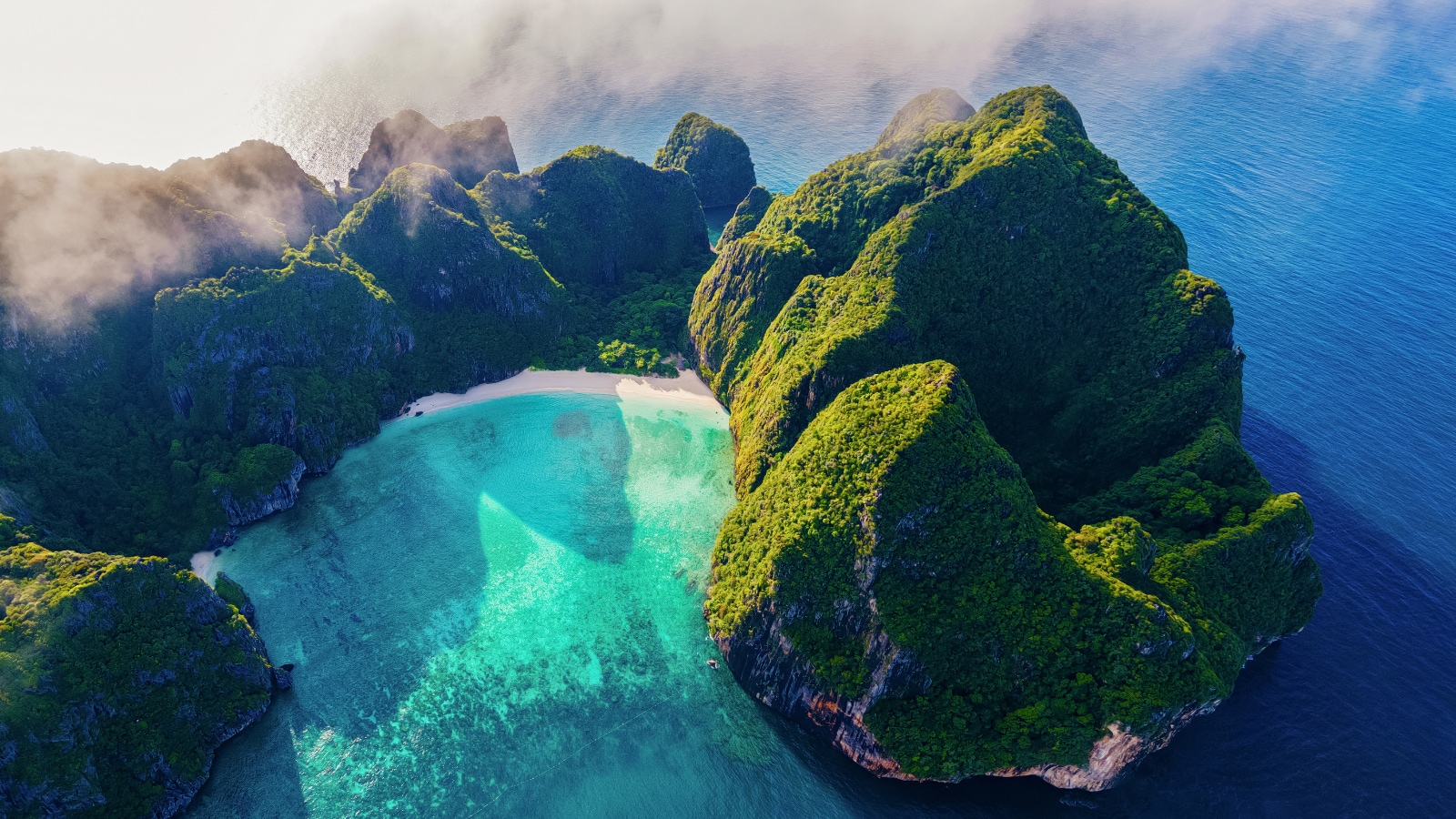
The first reported sighting occurred on June 5 at Laem Tanod beach in Mu Ko Lanta National Park. Later that same day, additional Portuguese man-of-war were spotted around Ao Ling and Sam Hat beaches on Phi Phi Don Island. In response, authorities have closed affected areas to ensure the safety of tourists and locals.
What is the Portuguese Man-of-War?
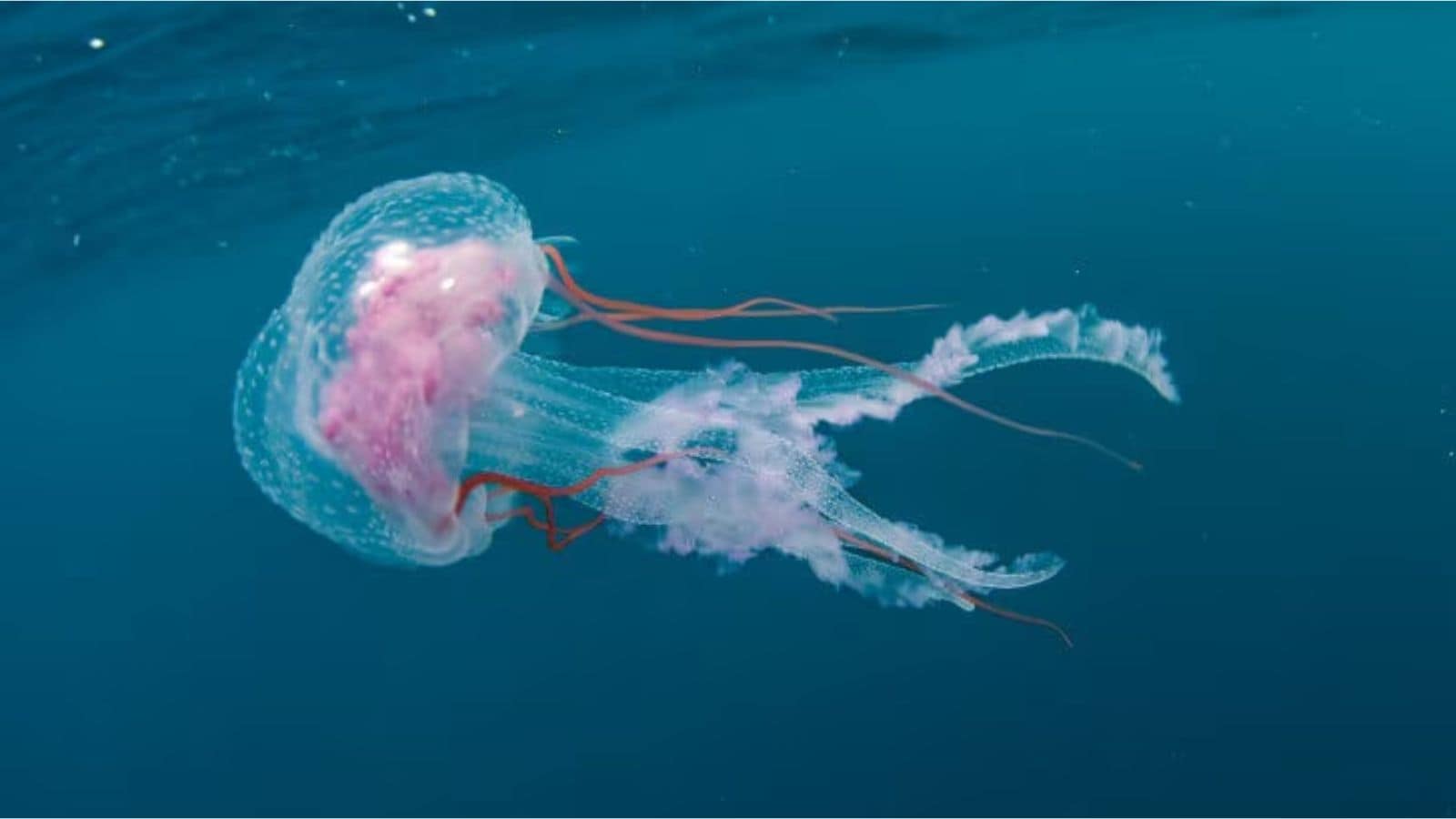
Although commonly referred to as a jellyfish, the Portuguese man-of-war (Physalia physalis) is actually a siphonophore — a colony of specialized organisms working together. It is easily recognized by its distinctive blue or purple gas-filled float (pneumatophore) that floats above the water, along with long, trailing tentacles that can extend several meters. These tentacles contain powerful stinging cells called nematocysts, which deliver a potent venom.
Health Risks and Safety Precautions
Contact with the Portuguese man-of-war can cause intense burning pain, red welts, and rash-like skin reactions. In more severe cases, individuals may experience nausea, muscle cramps, difficulty breathing, or even impacts on the nervous system and heart. Importantly, the danger persists even when the creature washes ashore, as the tentacles can remain venomous when dried out or dead.
Park officials have deployed lifeguards and protection units for 24-hour coastal patrols to monitor the situation. The swimming bans will remain in effect until authorities confirm that the creatures have fully cleared the tourism zones. Visitors are strongly advised to check the latest updates with park rangers or local authorities before heading to any beach in the affected areas. If you spot one on the sand, the recommendation is clear: do not touch it, even for photographs.
Alternative Activities While Swimming is Restricted
For those still eager to enjoy Krabi’s natural beauty, there are plenty of alternative activities to consider. Explore the lush inland jungles, embark on island-hopping boat tours (while respecting swimming restrictions), visit vibrant night markets in Ao Nang, or relax at beaches that remain open and monitored.
Nearby attractions such as Railay Beach, Emerald Pool, and the iconic Phi Phi Islands (outside restricted zones) continue to offer stunning experiences.
Travel Tips for People Headed to Phi Phi Island
Travellers are encouraged to stay informed through official channels and follow beach safety guidelines. This includes:
- Heeding flag warnings
- Avoiding touching unknown marine objects
While this temporary measure may disrupt swimming plans, it highlights Thailand’s commitment to visitor safety in its treasured national parks. Always prioritize safety, stay updated on local advisories, and enjoy the destination’s many other wonders responsibly. The bans are expected to be lifted once conditions improve, allowing visitors to once again fully embrace Krabi’s world-famous beaches.