The Power of Human Creativity in the Age of AI
Artificial intelligence has transformed numerous industries, from technology to entertainment, due to its rapid development in recent times. As a result, many leading figures in the creative world have begun to voice their concerns about the potential impact of AI on artistic expression. One such voice is that of Guillermo del Toro, an acclaimed director who has long championed the value of human imagination and artistry in filmmaking.
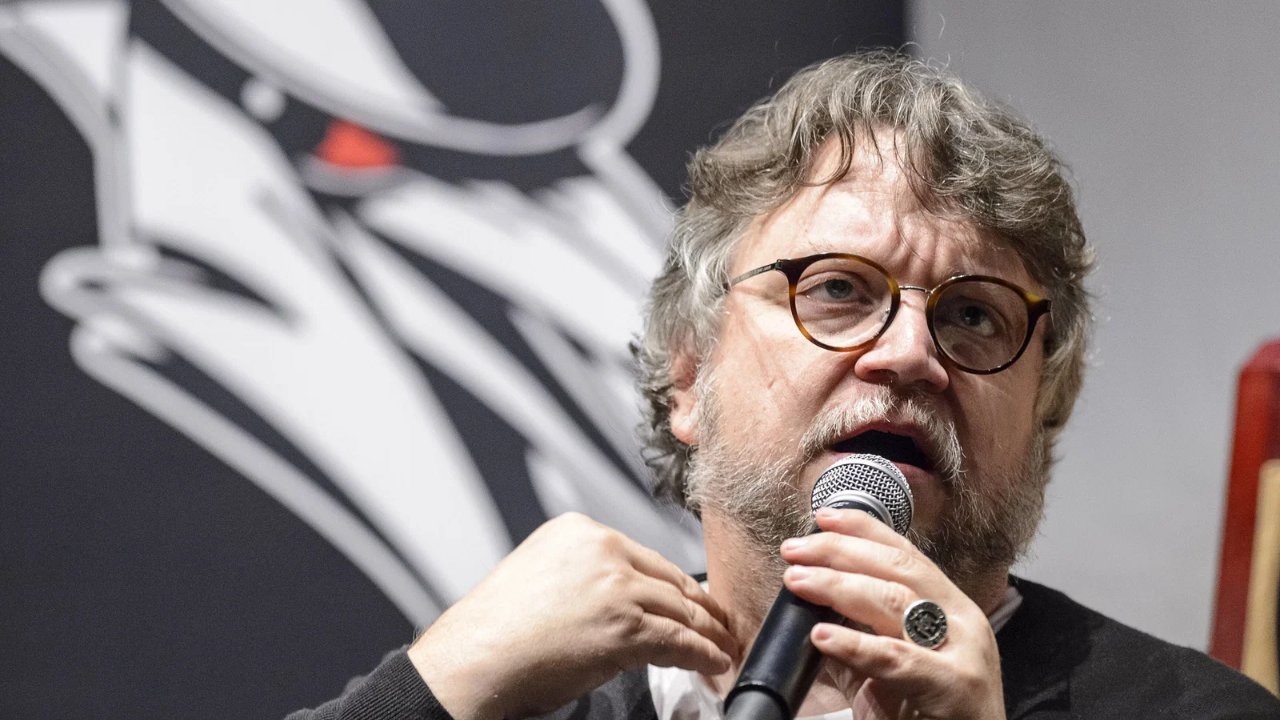
During a recent discussion, the Oscar-winning filmmaker shared his thoughts on AI’s role in creative fields, offering a strong critique. Del Toro emphasized the irreplaceable value of human creativity, particularly in the film industry, where the balance between technology and artistry is becoming increasingly delicate.
A Dire Warning About AI
Del Toro’s comments came at a time when the film industry is facing significant changes due to the rise of artificial intelligence. He warned that the integration of AI could lead to a loss of “image literacy” and “cinema literacy.” According to him, the relationship between humans and images is sacred, and art plays a crucial role in bringing people together. However, he believes this connection is under threat.
He described AI as a form of “natural stupidity,” highlighting the dangers it poses to the essence of cinema. Del Toro stressed that the power of film lies in its ability to create meaningful human connections and preserve artistic expression across generations.
The Importance of Emotional Connection
In his speech, Del Toro also emphasized the importance of images in evoking emotion, beauty, and understanding. He mentioned the changes in the industry regarding creative freedom and urged filmmakers to focus on the emotional impact of their work. His words resonated with the audience, reflecting his deep passion for storytelling and the need to protect the human element in filmmaking.
A Legacy of Human-Driven Storytelling
Long before addressing the future of filmmaking, Guillermo del Toro built a career that showcased the enduring power of original, human-driven storytelling. His films, such as Pan’s Labyrinth and The Shape of Water, have received critical acclaim and multiple awards, including the prestigious Academy Award for Best Director.
Del Toro’s unique blend of fantasy, horror, and human emotion has made him one of the most respected and influential directors in contemporary cinema. His work consistently demonstrates the ability to merge imaginative storytelling with deeply human themes, setting a high standard for filmmakers around the world.
The Weight of His Warnings
Del Toro’s concerns about AI carry additional weight given his status as one of Hollywood’s most celebrated filmmakers. His warnings reflect a commitment to defending the human spirit at the heart of storytelling. As the film industry continues to evolve, his perspective serves as a reminder of the importance of preserving the artistic and emotional depth that only human creativity can provide.
The Future of Filmmaking
As the debate over AI’s role in creative fields continues, the question remains: Can technology and human creativity coexist in the future of filmmaking? While some may argue that AI can enhance the creative process, others, like Del Toro, believe that the essence of storytelling must remain rooted in human experience.
His views highlight the need for a balanced approach, where technology complements rather than replaces the artistry of human creators. As the industry moves forward, it will be essential to find ways to integrate AI while still valuing the unique contributions of human imagination and emotion.
Conclusion
Guillermo del Toro’s passionate stance on AI underscores the importance of protecting the human elements of creativity in the film industry. His insights serve as a valuable reminder of the power of storytelling and the need to maintain the emotional and artistic depth that only human creativity can offer. As the landscape of filmmaking continues to change, his voice remains a vital part of the conversation.