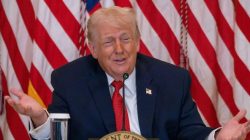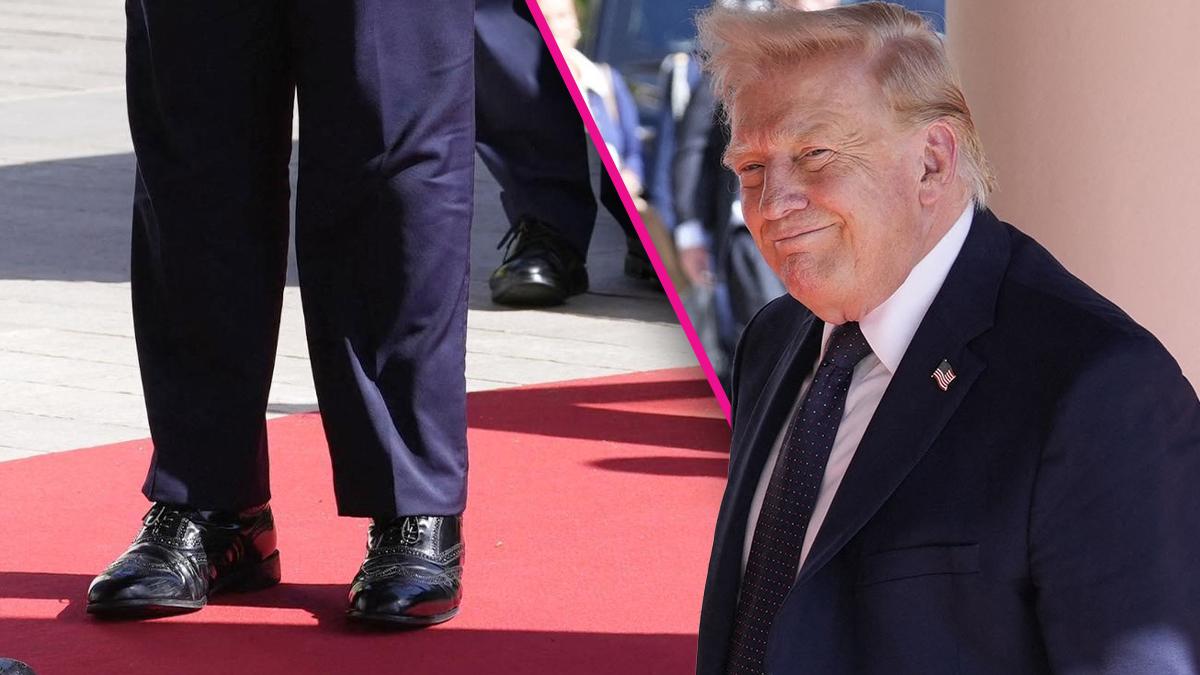
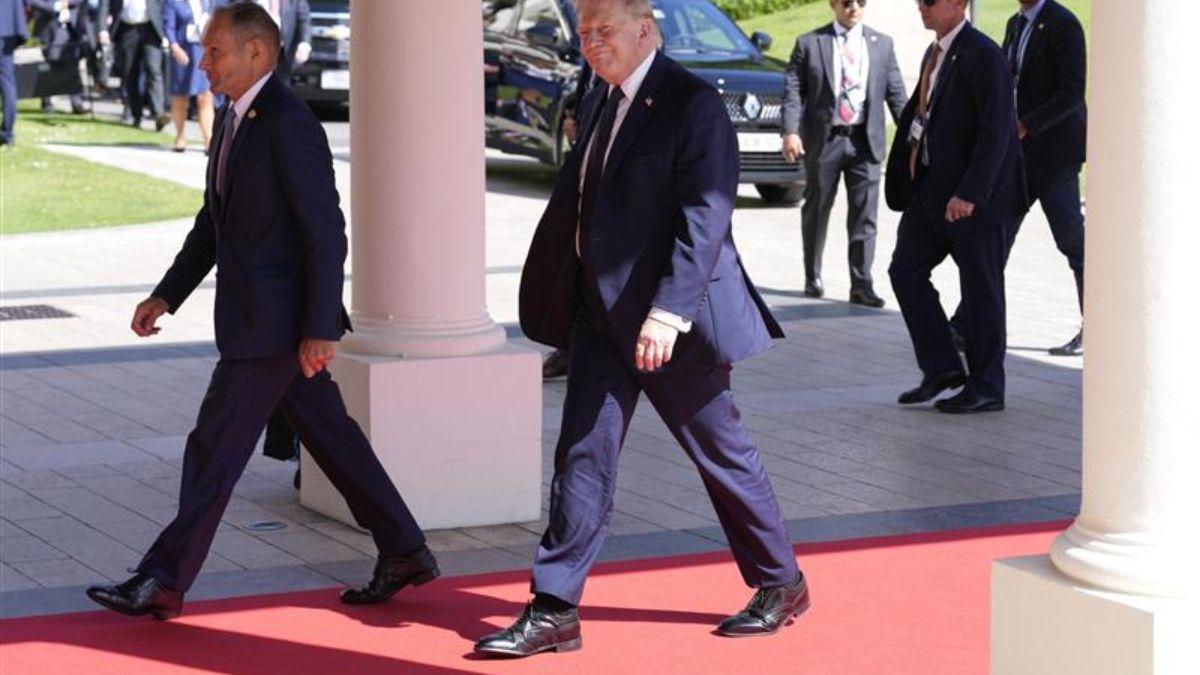
President Donald Trump’s visibly swollen ankles drew widespread media attention on Tuesday, June 16, during the G7 summit in Évian-les-Bains, France. While sitting down for a bilateral meeting with Qatar’s Emir, Sheik Tamim bin Hamad Al Thani, the 80-year-old president’s bulging ankles — better known as “cankles” — became fully exposed beneath his pants.
The swelling is allegedly a direct symptom of chronic venous insufficiency (CVI), a benign condition common in adults over the age of 70. It occurs when valves in the leg veins malfunction, causing blood to pool in the lower extremities. Trump was diagnosed with the condition in 2024.
White House medical staff previously prescribed compression socks to manage the condition. However, Trump admitted in a Wall Street Journal interview that he stopped wearing them because he disliked how they felt.
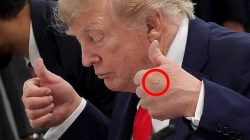
The swelling has frequently trended alongside photos showing heavy makeup on Trump’s hands. The White House attributes this discoloration to easy bruising caused by a daily high-dose aspirin regimen.
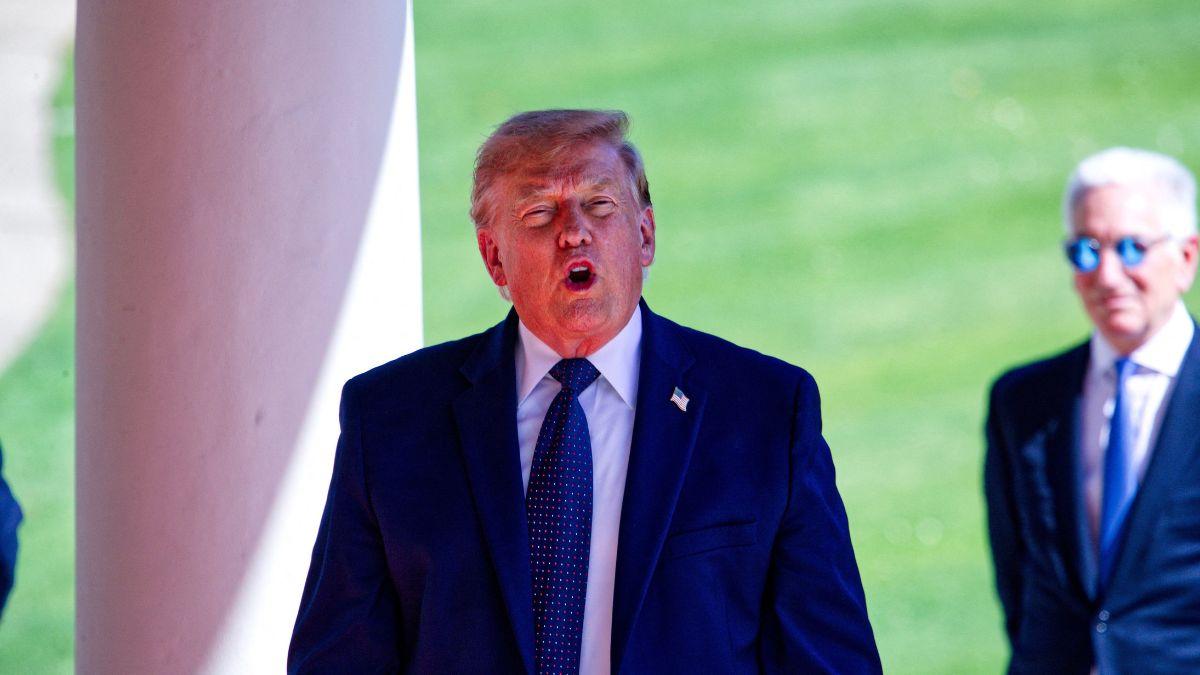
This is not the first public sighting of the condition; similar photos of his swollen lower legs have surfaced over the past year during meetings with various world leaders, including Canadian Prime Minister Mark Carney and German Chancellor Friedrich Merz.
Following his most recent medical exam at Walter Reed National Military Medical Center, the White House released a memorandum declaring the POTUS to be in “excellent health” and fully fit for duty. His physicians reported normal cardiac function and a normal neurological assessment.
Critics, including medical professionals and opposition lawmakers, argue that the administration’s health disclosures lack candor.
Does Donald Trump Have Dementia?
Some clinical psychologists and psychiatrists, such as Dr. John Gartner, have publicly expressed alarm over Trump’s speech patterns, arguing they show signs of cognitive decline or frontotemporal dementia. Gartner, a psychologist, has suggested that observations of Trump’s speech and behavior indicate “something far more serious than normal aging.”

Professionals like Dr. Jonathan Reiner and Dr. Vin Gupta have questioned the visibility of symptoms such as bruised hands, daytime sleepiness (often observed during public meetings) and swelling in the ankles (bipedal edema).
Reiner, a professor of medicine at George Washington University, cardiologist, and CNN medical analyst, has repeatedly pressed the White House medical team to address visible physical warning signs rather than brushing them off.
“With lingering concerns following the president’s recent physical exam, and the president’s prolonged absence from the public eye, the White House should make available the president’s physician to answer questions from the press,” Reiner said following the president’s latest physical exam.

The debate over Trump’s health has sparked intense scrutiny, with many questioning whether the president’s physical appearance and behavior are consistent with his age or if there may be underlying issues that require further investigation.
- The presence of chronic venous insufficiency, which can cause significant swelling in the lower extremities, raises concerns about the effectiveness of treatment and the president’s overall health.
- The use of high-dose aspirin, while common for preventing blood clots, can lead to easy bruising and other side effects that may impact the president’s ability to perform his duties.
- Observations of daytime sleepiness and irregular speech patterns have led some experts to suggest that there may be neurological concerns that need to be addressed.
- The White House’s transparency regarding the president’s health has been called into question, with critics demanding more detailed and honest communication about his medical status.
As the nation watches closely, the conversation around Trump’s health continues to evolve. Whether these symptoms are simply the result of aging or something more concerning remains a topic of debate among medical professionals, political analysts, and the public alike.
With each new public appearance, the focus on Trump’s physical condition grows, prompting calls for greater accountability and clarity from the administration. The coming months will likely see continued scrutiny of the president’s health, with many hoping for more openness and transparency from those responsible for his well-being.