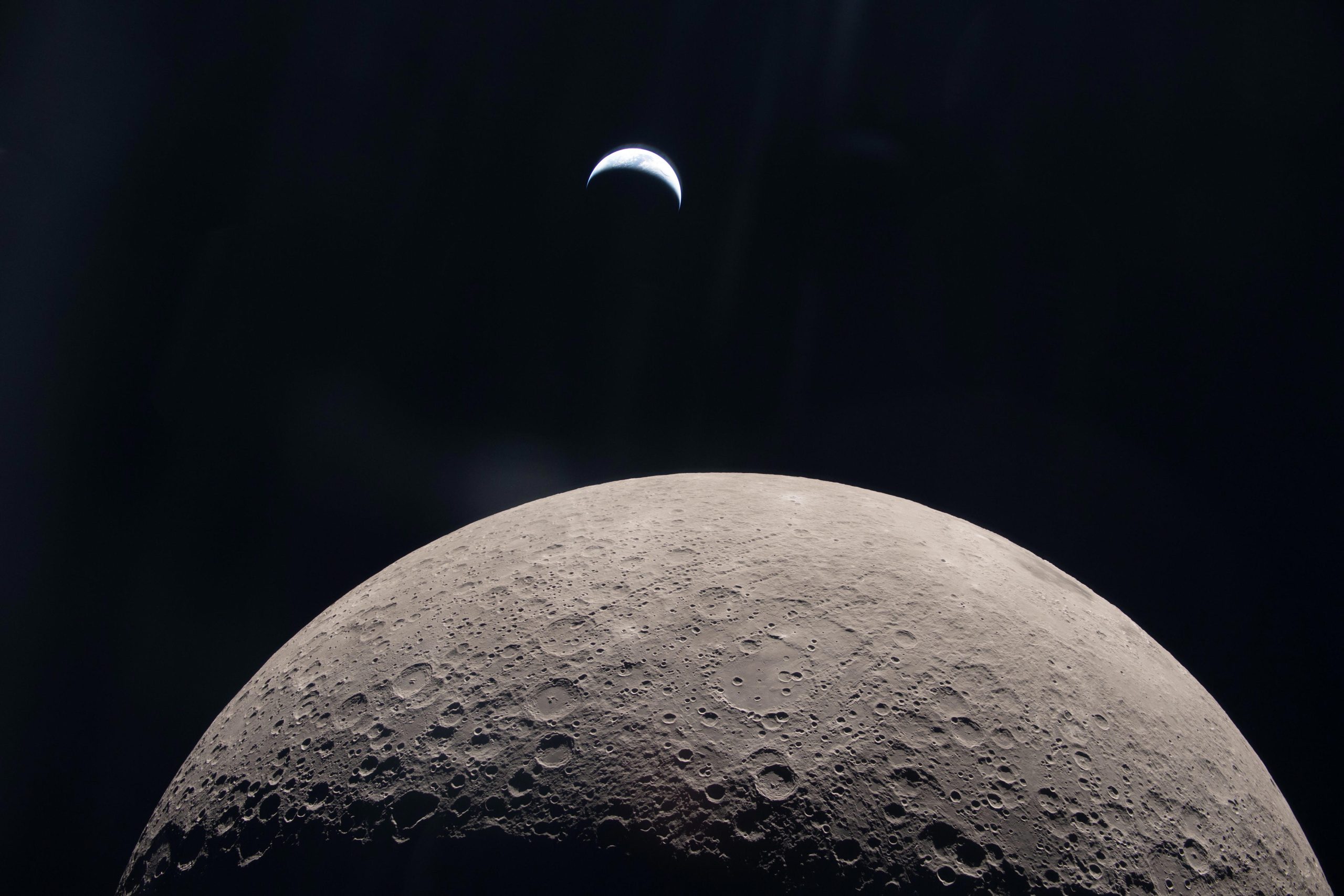
Living in a simulated space environment might be the closest experience someone can have to life on another planet without actually leaving Earth. While the chance of traveling to the moon or Mars is slim for most people, NASA is offering an opportunity to live in a space-like habitat that could help shape future missions.
What is the Simulation About?
NASA is seeking qualified volunteers to spend a year in a simulation that mimics the conditions astronauts would face during deep space travel and on the surfaces of the moon and Mars. The simulation is set to begin in August 2027 at the Johnson Space Center in Houston. It will involve two isolated habitats: one simulating a spacecraft and the other representing a base on another celestial body.
Participants will carry out tasks similar to those expected on future missions, such as conducting mock Mars walks and using a rover to explore areas beyond the main habitat. This experience aims to provide valuable data for NASA’s Artemis program, which focuses on sending humans to the moon and eventually Mars.
How Does the Simulation Work?
The simulation will include two distinct habitats. The spacecraft habitat will be a two-story structure with four ports, featuring a workspace, living area, and sleeping quarters. The surface habitat, on the other hand, will be a one-story, 3D-printed facility designed to replicate the conditions of a planetary surface. It will include private crew quarters, a crop cultivation area, an airlock, and a sandbox for simulated Mars walks.
This setup allows participants to experience the challenges of long-duration space missions, including isolation, limited resources, and the need for teamwork and problem-solving.
What Are the Requirements?
To be eligible for the simulation, applicants must meet certain criteria:
- U.S. citizen or green card holder;
- Between the ages of 30 and 55 (though exceptions may apply);
- No taller than 6’1;
- Proficient in English;
- At least a bachelor’s degree in engineering, biological science, physical science, or mathematics.
After a multi-day selection process, four candidates will be chosen following successful completion of NASA’s physical and psychological assessments.
Why Is This Important?
The data collected from this simulation will play a crucial role in planning future human missions to the moon and Mars. NASA’s Artemis program aims to establish a sustainable presence on the moon by 2032, which will serve as a stepping stone for missions to Mars.
Recent missions like Artemis II, which orbited the moon in 2026, and Artemis III, scheduled for 2027, are part of this effort. These missions will test technologies and procedures necessary for landing on the moon and eventually traveling to Mars.
Other Simulations by NASA
NASA has conducted similar simulations in the past. For example, four volunteer researchers have been living in a Mars simulation since October 19, with the experiment expected to last 378 days. The new simulation will build on these experiences, incorporating elements from other mock space environments.
How to Apply
If you believe you meet the requirements and are interested in participating, you can apply through NASA’s official channels. The application process will likely involve submitting detailed information about your qualifications, background, and suitability for the mission.
This opportunity offers a unique chance to contribute to the future of space exploration while experiencing life in a simulated space environment. Whether you’re a scientist, engineer, or simply a space enthusiast, this could be a once-in-a-lifetime experience.