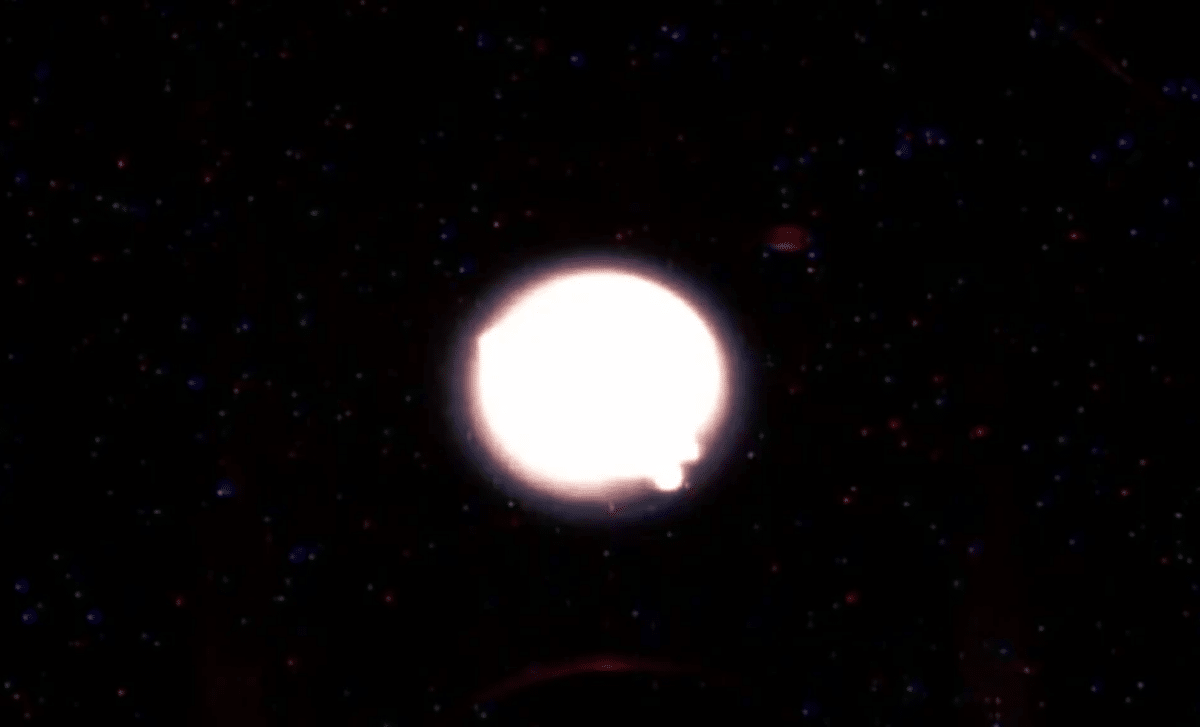
The Significance of Lighting a Fire on the Moon
As NASA advances its Artemis program with the goal of establishing a permanent human presence on the Moon, the agency is preparing for an unprecedented experiment. Scientists are planning to ignite the first controlled fire in lunar gravity, a milestone that aims to answer one of the most overlooked questions in space exploration: how does fire behave on the Moon, and can astronauts survive it if something goes wrong?
Why Lighting a Fire on the Moon Matters More Than It Sounds
At first glance, deliberately starting a fire on the Moon may seem risky or even unnecessary. However, this experiment addresses one of the most critical safety challenges for future lunar missions. Fire remains one of the most dangerous emergencies that can occur inside a spacecraft or lunar habitat. On Earth, decades of research have shaped the materials engineers use to reduce fire hazards, yet those same materials may react very differently once gravity changes.
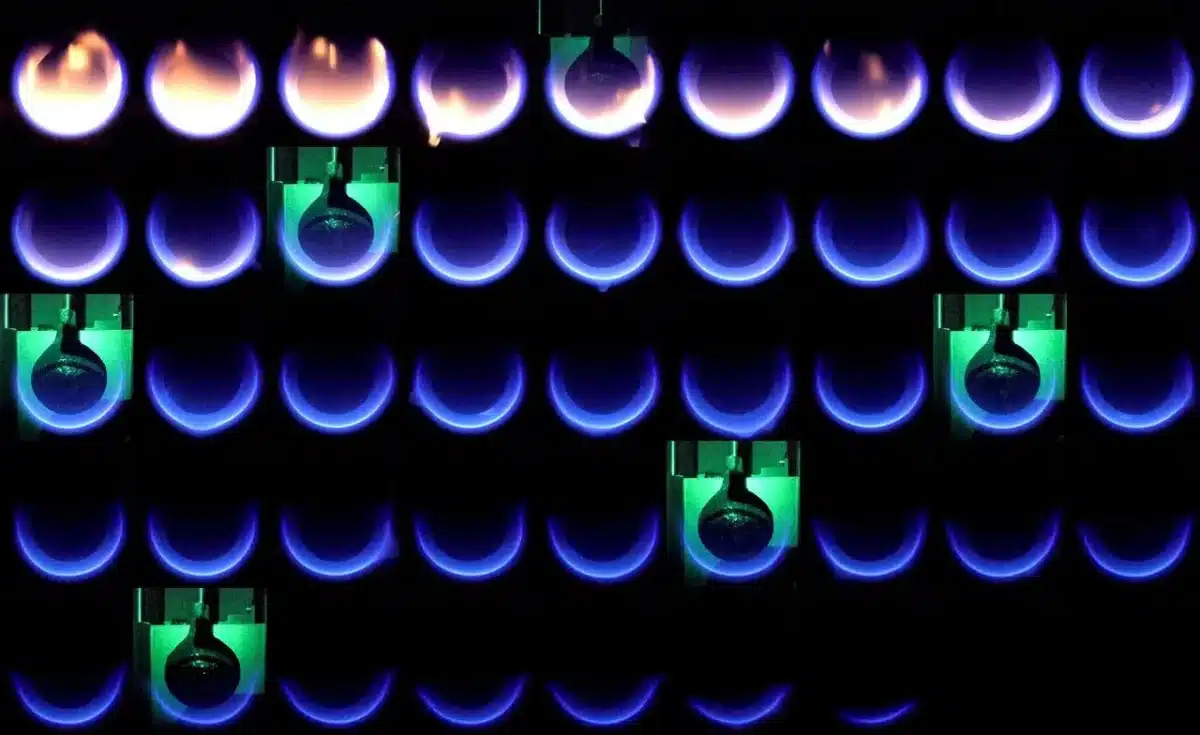
The Moon offers only about one-sixth of Earth’s gravity, creating conditions where flames no longer behave in familiar ways. Instead of hot gases rising rapidly and pulling fresh oxygen into the fire, airflow becomes much weaker. That difference changes the shape, spread, and stability of a flame. Scientists already know from experiments conducted aboard spacecraft that combustion in reduced gravity can produce unexpected results, including allowing some materials to ignite more easily than predicted by tests performed on Earth.
As astronauts prepare to spend weeks and eventually months living on the lunar surface, understanding these differences is becoming increasingly urgent. Every habitat, vehicle, electrical system, and life-support component must be designed with fire safety in mind. Without real lunar data, engineers are forced to rely on models and simulations that may not accurately reflect conditions on the Moon. This experiment is expected to close one of the largest remaining knowledge gaps before long-duration human exploration becomes routine.
NASA Wants Real Lunar Data Before Astronauts Stay on the Moon
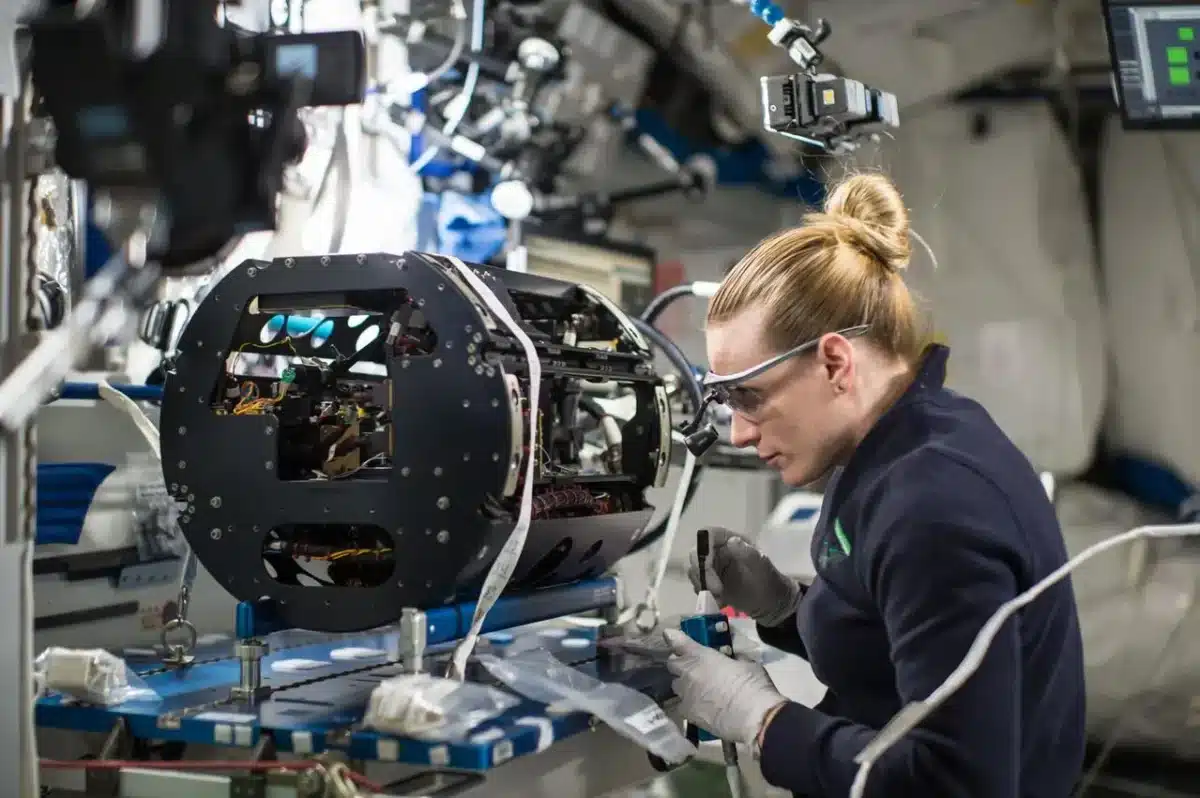
According to NASA, the mission will place four different solid fuel samples inside a sealed combustion chamber specifically designed for the lunar environment. Each sample will be ignited under carefully controlled conditions while sophisticated instruments record exactly how the fire behaves from ignition until it burns out.
Researchers will monitor flame growth, heat transfer, oxygen consumption, radiation, and temperature throughout the experiment. These measurements will provide the first direct observations of combustion in true lunar gravity rather than relying on laboratory simulations or experiments performed in orbit.
The Information Collected Could Influence Nearly Every Aspect of Future Spacecraft and Habitat Design
The information collected could influence nearly every aspect of future spacecraft and habitat design. Engineers may discover that certain materials currently approved for spaceflight become significantly more flammable on the Moon, while others could perform better than expected. Such findings would directly affect future construction standards, emergency procedures, equipment certification, and astronaut safety protocols.
This knowledge becomes even more valuable as NASA plans increasingly ambitious missions under Artemis, where crews are expected to establish a sustained presence near the lunar south pole before eventually preparing for human expeditions to Mars.
The Moon Creates Conditions That Change the Behavior of Fire
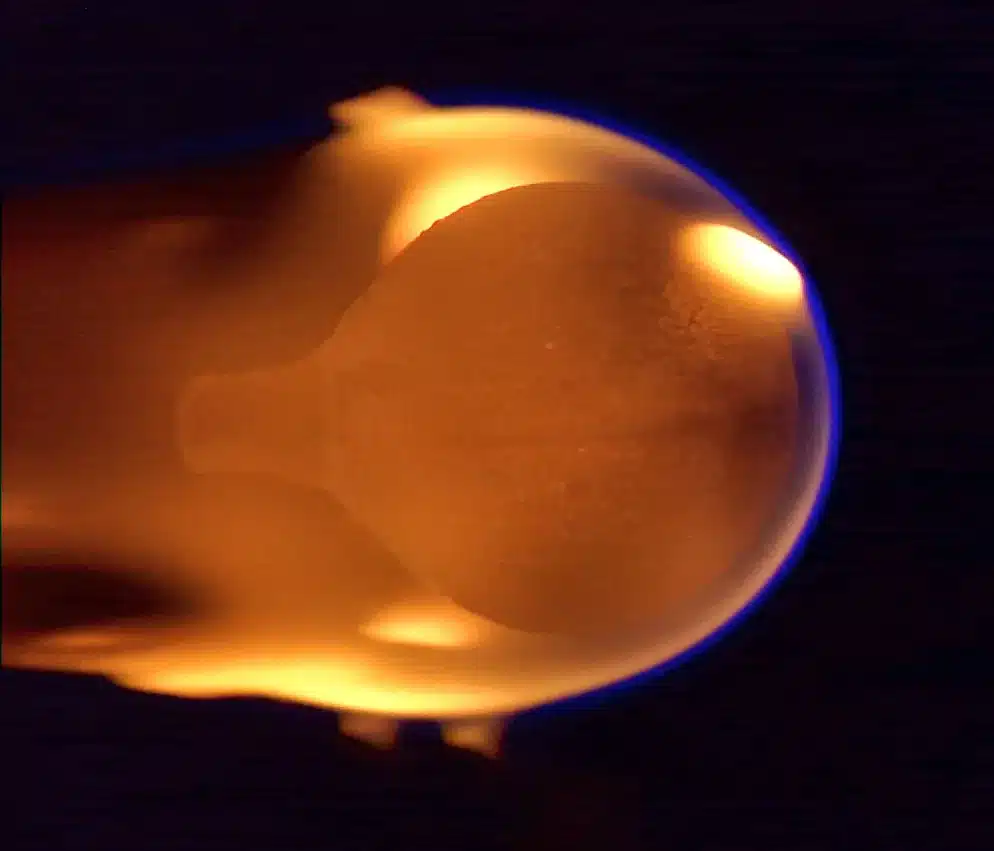
Fire depends on a delicate balance between fuel, oxygen, heat, and airflow. On Earth, gravity naturally drives hot gases upward, creating convection currents that constantly feed oxygen into a flame while carrying heat away. Lunar gravity dramatically weakens this process, changing nearly every stage of combustion.
Without strong convection, flames may burn more slowly in some situations while spreading differently across certain materials. Some fires that would quickly extinguish on Earth may continue burning longer, while others could ignite more easily under the Moon’s unique atmospheric conditions inside pressurized habitats.
Future lunar bases are also expected to operate with lower atmospheric pressure and elevated oxygen concentrations compared with Earth’s atmosphere. Those conditions improve astronaut mobility inside space suits but can also increase the flammability of many common materials. Even small differences in oxygen levels can substantially alter how quickly flames spread, making accurate testing essential before humans begin living on the Moon for extended periods.
By reproducing these conditions during a controlled lunar experiment, researchers hope to better understand the precise risks astronauts may face and develop safer technologies before those dangers become real emergencies.
A Small Experiment With Major Consequences for Future Space Missions
Although the experiment itself involves only four small fuel samples, its scientific value extends far beyond the Moon. Every lesson learned will contribute to designing safer spacecraft, lunar habitats, cargo vehicles, and eventually Martian settlements.
The results could lead NASA to revise the standards used to certify materials for future missions, potentially changing everything from insulation and wiring to interior panels and emergency response systems. Engineers will gain the first opportunity to compare theoretical combustion models with actual observations made in lunar gravity, improving the accuracy of future spacecraft design.
As humanity prepares to establish a lasting presence beyond Earth, understanding something as fundamental as fire becomes just as important as mastering rockets, navigation, or life-support technology. The first controlled flame on the Moon may last only a short time, yet the knowledge it provides could protect astronauts for decades of exploration across the Solar System.