Europe’s Nuclear Renaissance: A Divided Continent Weighs the Power of the Atom
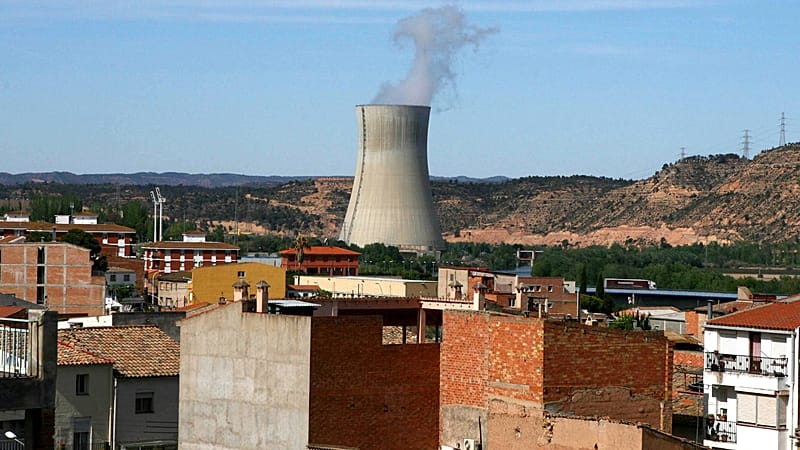
The European Union is increasingly championing nuclear energy as a vital component in its quest for climate neutrality. However, this embrace of nuclear power is far from unanimous, with a significant divide emerging among member states regarding its strategic importance and viability.
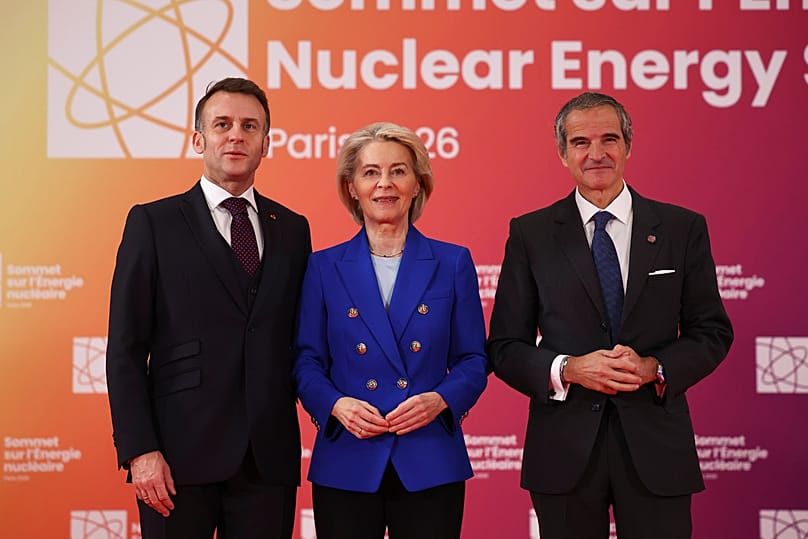
At a recent nuclear summit hosted by France and the International Atomic Energy Agency (IAEA) in Paris, European Commission President Ursula von der Leyen declared that Europe had made a “strategic mistake” by abandoning a reliable, affordable, and low-emission energy source. Her remarks underscored a growing concern within the EU about its dependence on fossil fuel imports, a vulnerability amplified by geopolitical tensions. Von der Leyen announced a €200 million mobilisation of funds to support nuclear energy development, signalling a potential shift in the EU’s energy policy.
Historically, nuclear energy played a more prominent role in the EU’s electricity generation. In the 1990s, it accounted for a third of the bloc’s power. Today, that figure has dwindled to approximately 15 per cent, a decline that von der Leyen views as a significant misstep.
Portugal’s Nuclear Stance: A Question of Cost and Capability
Portugal stands out as a nation with no existing nuclear power production or reactors. Maria da Graça Carvalho, the Minister for the Environment and Energy, has previously expressed reservations, suggesting that nuclear energy is “not suitable for a country like Portugal.” Her argument hinges on the absence of in-house production technology, unlike nations such as Spain or France. This reliance on external expertise, she contends, makes nuclear energy prohibitively expensive. In contrast, she advocates for renewable electricity as a “simpler and cheaper” alternative.
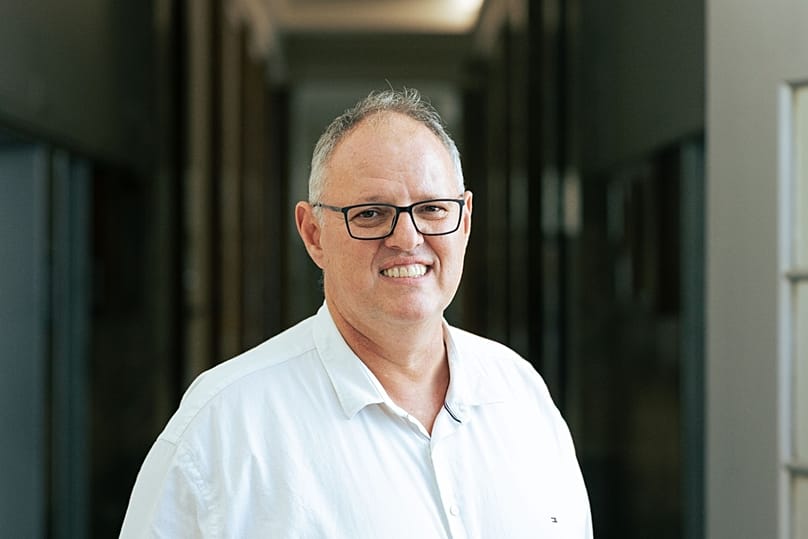
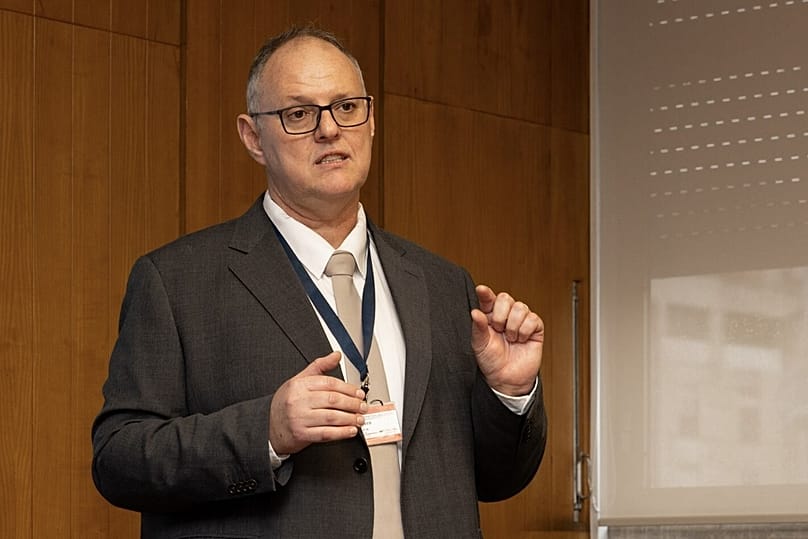
However, this perspective is challenged by Bruno Soares Gonçalves, president of the Institute of Plasmas and Nuclear Fusion. He argues that any decision on nuclear energy must be preceded by a thorough assessment of the country’s capacity to ensure “cheap energy,” factoring in future consumption trends.
Gonçalves, a physicist, acknowledges the strategic importance of nuclear energy for energy sovereignty and decarbonisation. He laments that it has taken current global circumstances for Europe to recognise the “strategic error of repeatedly disinvesting in nuclear energy over the years.” The decline in investment, he points out, has led to a “loss of knowledge and skills,” allowing countries like China to surge ahead in the development of next-generation nuclear power.
The broader energy transition remains a subject of intense debate, with persistent challenges and uncertainties about the optimal path forward.
Charting a Diverse Energy Future: The Case for a Mixed Approach
Gonçalves suggests that the most effective solution likely lies in a diversified energy portfolio. This could involve a combination of renewables, battery storage, and gas for grid stability, or a blend of renewables and nuclear power, complemented by hydroelectric dams.
“There is no single solution,” he asserts. “Renewables exist and are here to stay. We can discuss the current dependence on China, which produces more than 80 per cent of solar panels, but apart from that, they [renewables] are part of the portfolio. They can’t be the only source.”
He stresses the need for a “Total System Cost Study” to inform Portugal’s energy strategy. While the Secretary of State for Energy, Jean Barroca, indicated in late 2023 that such an analysis would be conducted this year, Gonçalves believes a holistic view is crucial, extending beyond the unit cost of integrating individual energy sources into the grid. He maintains that nuclear solutions can be competitive, but strategic long-term planning is essential.
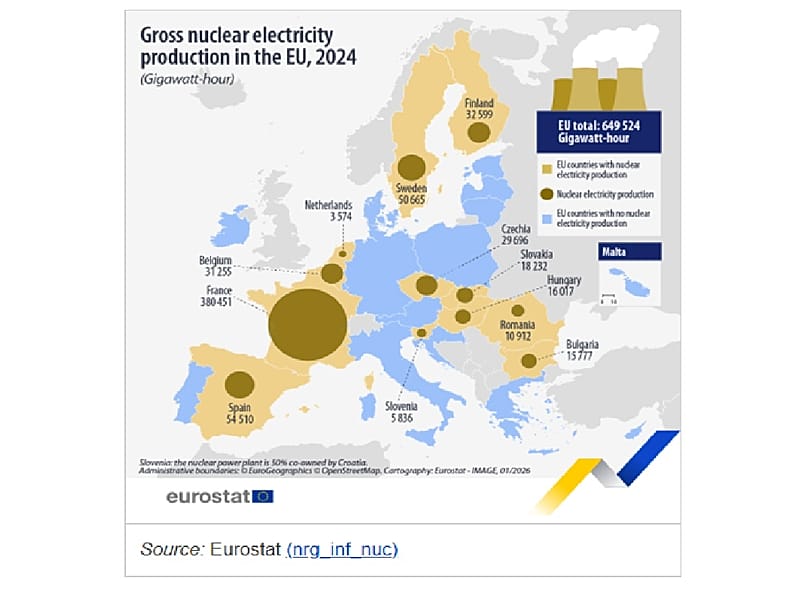
Data from Eurostat in January 2024 indicated that 12 EU countries with nuclear power generation were projected to produce 649,524 gigawatt hours (GWh) of electricity, a 4.8 per cent increase from 2023. Nuclear power stations accounted for 23.3 per cent of total EU electricity production. France remains the largest nuclear producer in the EU, while Germany ceased its nuclear production in April 2023.
The High Stakes of Nuclear Investment
Bruno Soares Gonçalves acknowledges that initiating nuclear power production in Portugal would be a protracted process, requiring new legislation and specialised training. “Nuclear requires a large initial capital investment, and that’s also a difference compared to renewables,” he notes. He cites the example of the United Arab Emirates, where the construction of its first reactor took approximately 12 years, highlighting the substantial investment involved.
While renewables may boast lower installation costs, Gonçalves points out that the “levelised cost of electricity” doesn’t capture the full system costs, such as grid upgrades, maintenance, and the necessity of backup power for intermittent sources. Furthermore, he contrasts the lifespan of energy generation and storage devices: wind and solar technologies typically last around 20 years, whereas nuclear power stations can operate for 40, 60, or even 80 years.
A significant advantage of nuclear power, he explains, is its high capacity factor, averaging around 90 per cent. This means nuclear plants provide electricity reliably most of the time, a stark contrast to the much lower capacity factors of renewable energies. This firm energy supply is crucial for guaranteeing electricity availability, a factor he suggests may have been a contributing issue during recent blackouts. “It’s important to have energy that isn’t intermittent, that doesn’t depend on atmospheric factors,” he states, noting Portugal’s wind capacity factor of 22-24 per cent and solar’s at 17 per cent.
Small Modular Reactors: A Potential Gateway
At the recent nuclear summit, President von der Leyen expressed her intention to “stimulate the development of small nuclear reactors” (SMRs), with these technologies expected to be operational by the early 2030s. Gonçalves views SMRs as a more accessible entry point, offering faster construction times and lower capital costs, allowing for phased investment scaling.
Even if Portugal opts out of direct nuclear energy production, Gonçalves suggests it could still participate by producing components or purified salt for molten salt reactors, a promising emerging technology.
Decarbonisation and the Promise of Fusion
Decarbonisation is a cornerstone of the EU’s 2050 goals under the European Green Deal. Nuclear energy, Gonçalves states, boasts the lowest CO2 emissions across its entire life cycle, at approximately 5 to 6 grams per kWh.
While current reactors rely on nuclear fission, significant research is underway in nuclear fusion, though commercial electricity generation remains some way off. Fission involves splitting heavy atoms like uranium, releasing energy, whereas fusion merges light atomic nuclei, mimicking the process within the sun. Fusion research involves heating plasma to extreme temperatures, aiming to generate steam for turbines.
The Hurdles of Fusion Power
Fusion promises carbon-free energy with abundant fuel and minimal radioactive waste. However, tritium, a key fuel, has a half-life of 12.6 years, posing challenges for its availability. The solution lies in producing tritium from lithium within the reactor walls, a process that still requires considerable technological development.
In September 2025, the European Commission proposed the Euratom “Research and Training Programme” 2028-2032, aimed at accelerating fusion research and maintaining Europe’s global leadership in this field. Alongside initiatives like the European Competitiveness Fund and Horizon Europe, substantial investment is being channelled into fusion development.
The president of the Institute of Plasmas and Nuclear Fusion highlights the significant investments made by the United States and China. China, he notes, is constructing a large reactor, BEST, designed to test components for future fusion power plants and demonstrate electricity production.
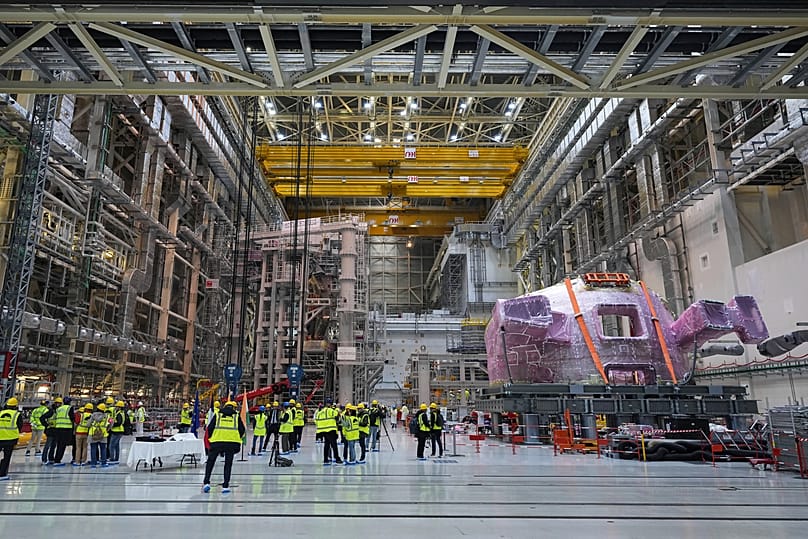
Portugal, as part of the European Nuclear Fusion Programme, contributes to the International Thermonuclear Experimental Reactor (ITER) project in France, slated for inauguration in 2034, and participates in research through the EUROfusion Consortium. ITER aims to produce 10 to 20 times more energy than it consumes, demonstrating the viability of fusion technologies for sustained energy production. Private investment in fusion is also surging in the United States, with various projects aiming to exceed energy consumption.
The late Portuguese physicist Nuno Loureiro, who led a fusion energy lab at MIT, was optimistic about rapid advancements in the field. Gonçalves advocates for continued investment in nuclear fusion, anticipating competitive energy prices and abundant fuel sources.
Addressing Nuclear Fears: Facts Over Myths
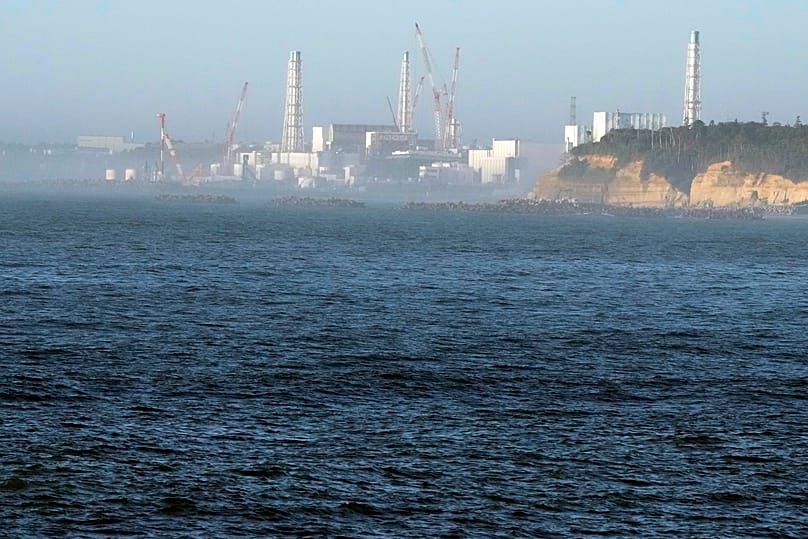
Gonçalves urges a fact-based discussion regarding the fears surrounding nuclear power, particularly in seismically active regions like Portugal. The Fukushima disaster, often cited as a cautionary tale, was primarily attributed to the tsunami overwhelming the plant’s seawall and submerging auxiliary generators. He stresses that lessons learned from Fukushima have led to significantly stricter regulations and technological advancements.
The Chernobyl disaster, he clarifies, involved a reactor lacking a containment building, a design not representative of modern nuclear facilities. Regarding radioactive waste, while acknowledging its hazardous nature, Gonçalves asserts that effective management strategies are now well-established. He debunks the myth of astronomical waste volumes, stating that the waste generated over 80 years of nuclear-powered electricity consumption for an individual would fit into a fraction of a soft drink can. He also refutes the notion of untreated, discarded waste, explaining that it undergoes cooling and is stored in robust containers for long-term disposal.
The Timeline for Fusion Reality
While some private companies in the US predict fusion power within a few years, Gonçalves estimates a more realistic timeframe of 10 to 20 years for the first prototype to deliver electricity to the grid. He draws a parallel to the rapid growth of wind energy in Portugal, which, despite being in its infancy in the early 2000s, saw substantial expansion between 2005 and 2012, leading to the country’s current leadership in renewable electricity production.
He believes that increased investment is the key to accelerating progress, urging governments to invest in research, materials, and talent. The Institute for Plasma and Nuclear Fusion, under his leadership, is actively involved in European fusion programmes, securing significant contracts for Portuguese industry. Portugal has emerged as a leading European supplier to ITER.
Political Hesitation and the Path Forward
Despite the promising future of nuclear fusion, Gonçalves observes that successive Portuguese governments appear to be “politically afraid” to initiate discussions on the subject. The long-term nature of nuclear investment, extending beyond political cycles, is also a deterrent. He criticises the focus on rapid, visible investments that satisfy immediate political objectives.
While awaiting the government’s promised energy system cost study, Gonçalves expresses concern that recent storm damage to the national grid might divert attention from this crucial analysis. The debate on nuclear power is advancing at the EU level, but in Portugal, it appears to be stalled, leaving the decision on its inclusion in the national energy mix uncertain. Efforts to obtain comment from the Ministry of Environment and Energy on Portugal’s stance were unsuccessful due to commitments related to disaster response planning.