Surge in Electric Cooktops as Middle East Tensions Spark Gas Supply Fears
Across India, a dramatic shift is underway in home kitchens. Electric induction cooktops are vanishing from store shelves and online marketplaces as a growing number of households scramble to acquire them. This surge in demand is directly linked to anxieties surrounding potential cooking gas shortages, fuelled by the ongoing conflict in the Middle East.
The geopolitical instability has significantly impacted global shipping routes, particularly through the Strait of Hormuz. This disruption has not only driven up shipping costs but also created a palpable tightening of oil and gas supplies originating from the region, a crucial source for many nations.
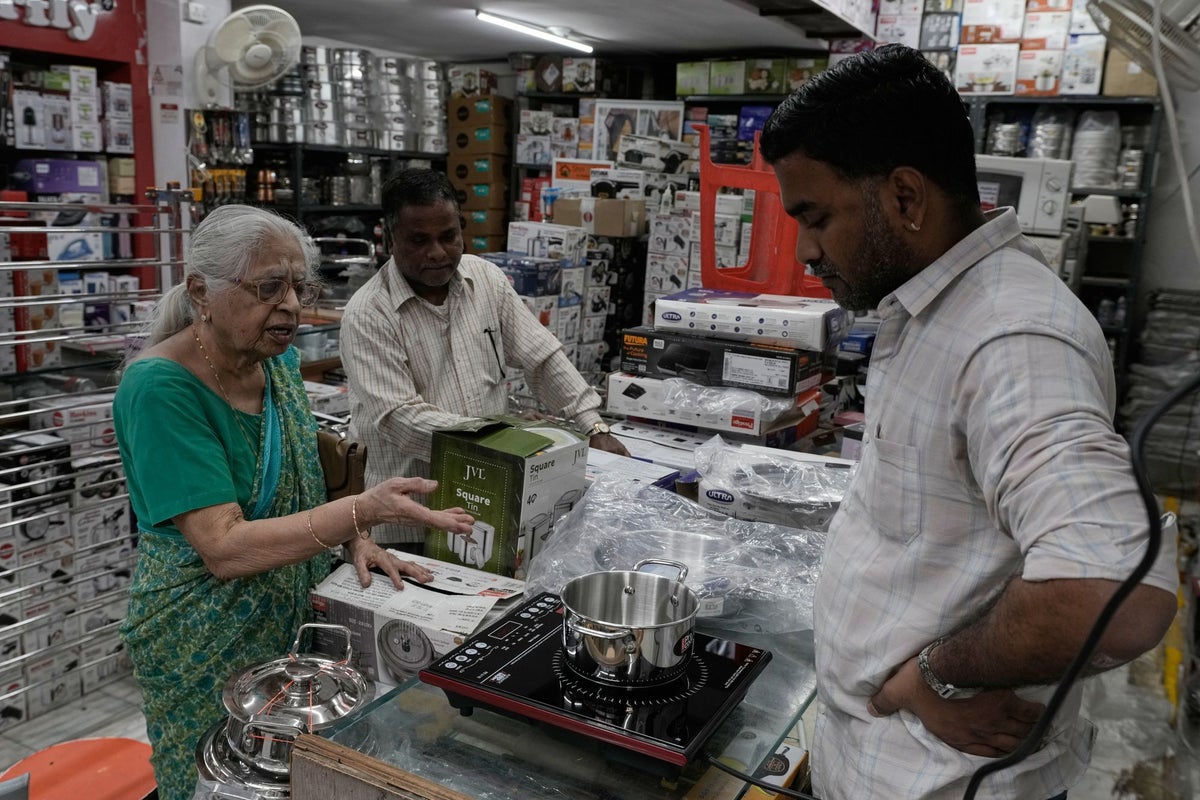
Electric induction cooktops are flying off the shelves in India as households rush to buy the appliance amid fears of a cooking gas shortage due to the ongoing war in the Middle East.
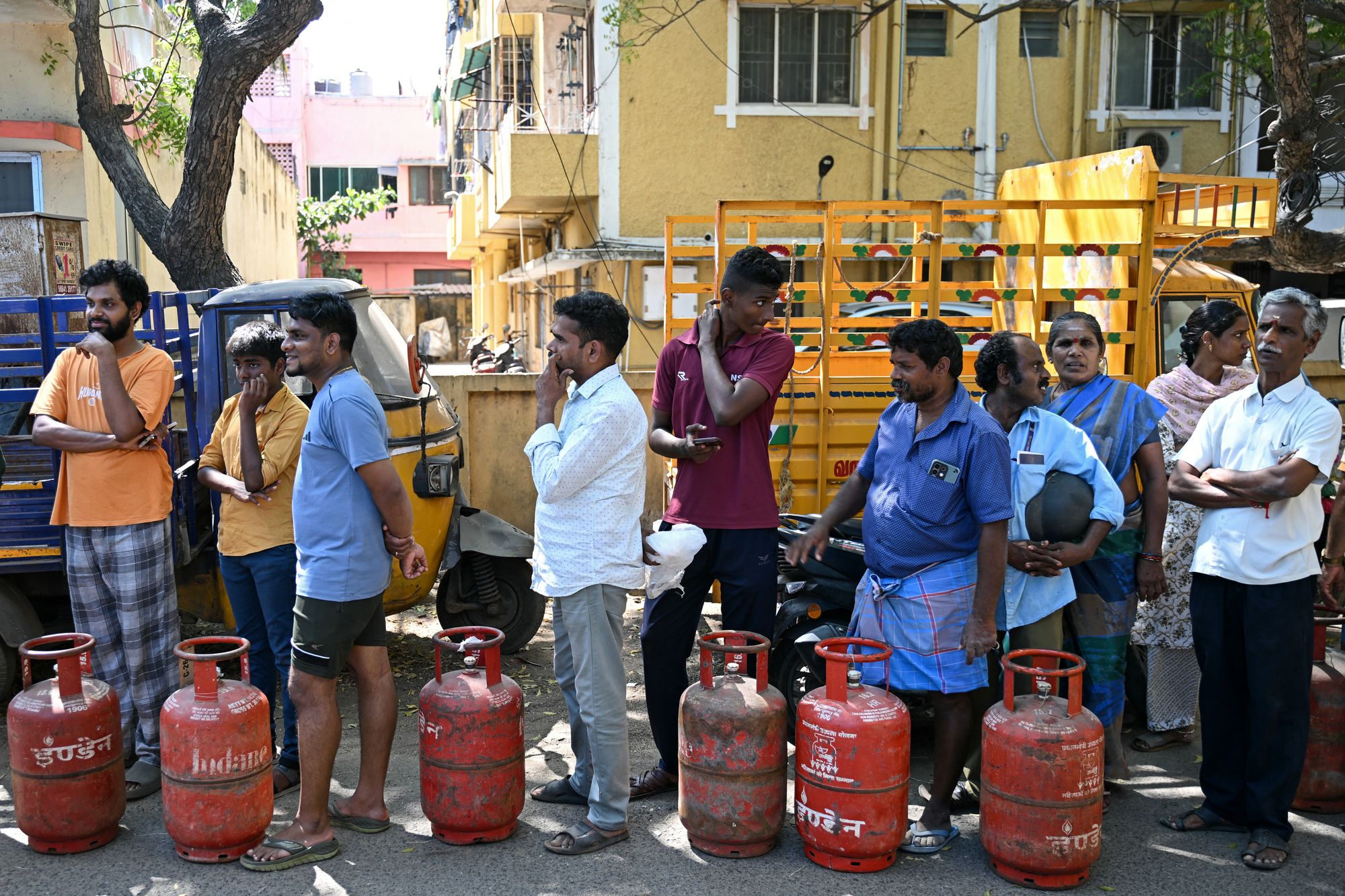
The Indian government, which relies heavily on imported liquefied petroleum gas (LPG) – ranking as the world’s second-largest importer – has been compelled to invoke emergency powers. These measures are aimed at bolstering household supplies, even as availability becomes increasingly constrained for commercial entities such as canteens, hostels, and restaurants.
The spectre of escalating LPG prices and the very real possibility of future unavailability has prompted a proactive response from consumers. Many are investing in electric cooking appliances as a precautionary measure, seeking to future-proof their kitchens against potential disruptions.
The impact is already evident in the retail landscape. Several popular induction stove models have been completely sold out on major e-commerce and quick-commerce platforms, including Amazon, Flipkart, Blinkit, Instamart, and Zepto. Offline retailers are also reporting depleted stock, with some indicating that fresh supplies are still several days away from arriving.
Personal Experiences Reflect Widespread Concern
The ripple effect of these global events is being felt on a personal level by businesses and individuals alike. Omkar Kandharkar, a restaurateur based in Mumbai, shared his experience of contemplating a switch to commercial induction stoves. The initial surge in crude oil and LPG prices, triggered by the Middle East conflict, prompted this consideration.
“But I thought things would be brought under control,” Mr. Kandharkar recounted to broadcaster WION. “As the shortage became evident, I went to purchase the same cooking range. This time around, what was priced at Rs 9,000 [approximately £73] was sold for Rs 23,000 [approximately £187].” This stark price increase illustrates the immediate market reaction to perceived scarcity.
Induction stove sales on Amazon India have jumped nearly 30-fold and those of rice cookers and electric pressure cookers fourfold, a company spokesperson said. Kitchen appliance maker TTK Prestige said demand for induction stoves had surged far beyond supply.
The demand for induction stoves on Amazon India has seen an extraordinary surge, reportedly jumping nearly 30-fold. Similarly, sales of rice cookers and electric pressure cookers have quadrupled, according to a spokesperson for the e-commerce giant.
Kitchen appliance manufacturer TTK Prestige has echoed these sentiments, stating that the demand for their induction stoves has far outstripped their current supply capabilities.
Industry Responds to Unprecedented Demand
Venkatesh Vijayaraghavan, the chief executive of TTK Prestige, described the situation as a “threefold surge” in demand. In response to this unprecedented market pressure, the company has taken decisive action to bolster its production capacity. They have ramped up operations to 100 per cent, a significant increase from the approximately 70 per cent utilisation prior to the conflict. Furthermore, staffing levels have been increased by roughly 15 per cent to manage the heightened production needs. Looking ahead, TTK Prestige also plans to implement price adjustments for their induction stoves in the June quarter to help offset the increased operational costs.
For context, induction stoves currently represent about a tenth of TTK Prestige’s standalone revenue, which stood at Rs 25 billion (approximately £207 million) in the 2024-25 financial year.
The heightened consumer interest is also reflected in online search trends. Google Trends data indicates that search interest for induction stoves reached a record high on 12 March. This widespread concern has prompted even established restaurant chains, such as Wow Momo and California Burrito, to actively explore induction stoves as a viable contingency plan.
To ensure a consistent flow of components amidst potential shipping delays, TTK Prestige is also adapting its logistics. Mr. Vijayaraghavan indicated that the company will be shifting from sea shipments to airlifting components from China and Southeast Asia. This strategy, while incurring higher costs, is designed to guarantee continued supply chains if disruptions persist.
Government and Industry Initiatives
In parallel with market-driven responses, the Indian government is also taking steps to address the unfolding situation. India’s oil ministry has announced the formation of a dedicated panel. This committee will be responsible for reviewing requests for LPG supplies specifically for restaurants and other industrial users, following appeals lodged by two prominent industry bodies.
The immediate financial impact of the Middle East conflict is already being felt by consumers and businesses. Indian companies have begun raising LPG prices for the first time in approximately a year. This price hike is a direct consequence of the war making imports, which constitute two-thirds of India’s annual LPG consumption, increasingly expensive on a daily basis.
Further exacerbating supply concerns, Qatar, India’s largest supplier of liquefied natural gas (LNG), temporarily halted production last week. This pause in supply was reportedly in response to retaliatory strikes by Iran on Gulf countries, which were themselves a reaction to the US-Israeli conflict against Iran. This chain of events highlights the interconnectedness of global energy markets and the far-reaching consequences of regional conflicts.