
Navigating Childhood Ailments: Expert Advice for Worried Parents
The anxieties parents face when their children fall ill are palpable. Common complaints like fevers or coughs can quickly escalate into worst-case scenario thinking, especially in an era where a quick online search is the first port of call. This can, however, lead to a flood of unreliable information, a concern highlighted by General Practitioner Dr Nighat Arif.
To combat the pervasive influence of dubious online sources, Dr Arif has authored The Complete Guide to Family Health. This comprehensive resource aims to equip families with accurate medical advice, serving as a much-needed antidote to the often-misleading information found on the internet. Distilling over 15 years of her general practice experience, the book offers practical guidance on everything from stocking a home medicine cabinet to recognising crucial warning signs and knowing precisely when to seek professional medical help.
Dr Arif’s core mission is to demystify complex health concerns and prevent unnecessary panic. She explains, “I’ve tried to make it as simple as possible, so if you do worry about a headache, you’re not googling something that comes up with a brain tumour.”
A recurring theme in parental queries, according to Dr Arif, centres on their child’s overall normality – be it concerning behaviour, eating habits, or physical manifestations like a rash or a persistent cough. “Is this normal, or do I need to be worried and escalate this? Could this turn into pneumonia? These are some of the huge concerns, and they vary so much,” she notes.
Here, Dr Arif provides expert insights into some of the most common childhood health issues that frequently cause parental concern:
Head Injuries: When a Bump is More Than Just a Bump
Children are prone to head bumps, making it difficult for parents to discern between a minor knock and a more serious injury. Dr Arif reassures that the majority of head injuries are not severe. However, she stresses the importance of vigilance, particularly with very young children who cannot articulate their discomfort. “Bear in mind that there may be minimal visible damage, but there could be bleeding or swelling in the brain that you can’t see,” she advises.
While most children bounce back from minor bumps and bruises within 24 to 48 hours, close observation is paramount. Parents should be on the lookout for symptoms of concussion, including dizziness, any loss of consciousness, vomiting, confusion, and severe headaches. For infants and non-verbal toddlers, subtle behavioural changes can be significant indicators. These might include increased irritability, a lack of interest in their usual toys, a reduced appetite, or prolonged crying. “I would say to parents, you know your child best, so keep an eye on them, and look for irritability,” Dr Arif states, strongly recommending immediate attendance at an Accident and Emergency department if any concerns arise. “It’s much better to get it checked out.”

Fever: A Sign of a Healthy Immune System, But Watch for Red Flags
Fever is a natural and often beneficial response of the body to infection. While a high temperature, especially when accompanied by other symptoms, can signal a serious condition, Dr Arif explains that a fever often indicates a healthy immune system actively fighting off an infection. “It’s usually nothing to worry about,” she says.
However, certain critical warning signs necessitate urgent medical attention. These include a temperature above 38°C or below 36°C in an infant under three months old. The approach to managing fever varies depending on the child’s age and the height of the temperature. Dr Arif cautions, “Fevers are more serious in babies. If you are worried, trust your instincts and go to your nearest hospital – this also applies to children over five years old and adults.”
Eczema: Managing Dry, Itchy Skin
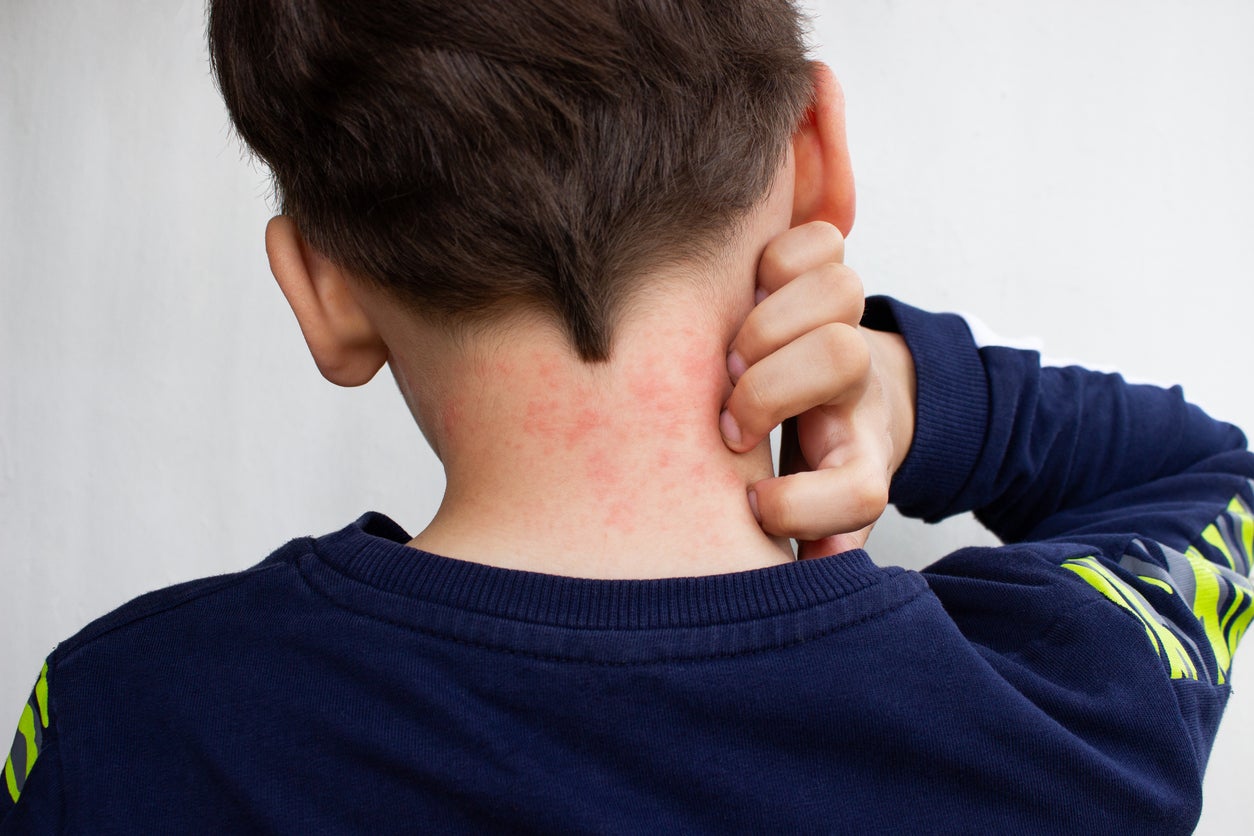
Eczema, a prevalent childhood condition, is characterised by dry, scaly, and intensely itchy patches of skin. While a complete cure remains elusive, effective management is crucial to prevent secondary infections and minimise the risk of scarring. “I see a lot of eczema; it’s so common and it’s a bane on parents’ lives,” Dr Arif observes.
The cornerstone of eczema management is the consistent and frequent application of moisturising emollient creams. “Emollients, emollients, please put on repeatedly throughout the day with your child,” she emphatically advises. She also recommends exploring potential dietary triggers, such as intolerances to milk or gluten, as skin issues can sometimes be linked to underlying internal sensitivities. If emollients prove insufficient, or if concerns about the eczema persist, seeking professional medical advice is essential. “Don’t just sit on eczema, because it can be investigated further,” she urges.

Coughs: Understanding Viral Infections and When to Seek Help
The vast majority of coughs encountered in general practice are viral in origin, yet they can be a significant source of worry for parents. Dr Arif points out key red flags to monitor: a persistent high temperature that does not respond to paracetamol, and inadequate fluid intake (parents should track the number of wet nappies in infants). She clarifies that viral coughs do not require antibiotic treatment and can often linger for two to three weeks.
If a cough persists beyond three weeks in either children or adults, medical consultation is advisable. This may be necessary to rule out underlying conditions such as undiagnosed asthma, potentially requiring a chest X-ray. “It’s all about TLC,” she says, encouraging parents to trust their intuition. “If they feel their child is really struggling with breathing, come in and let a doctor have a look.”
Trusting Your Instincts: The Parent’s Ultimate Tool
As a mother of three herself, Dr Arif strongly reassures parents that they should never feel fearful of overreacting when it comes to their children’s symptoms. “It’s easily done where you can miss the signs in your children – and I say that as a mother and a doctor,” she admits. “I say to parents you’re just being vigilant – you’re doing the role you’re assigned to do, assessing what’s normal and what’s not normal. Nobody knows your child better than you do.”

The Complete Guide to Family Health by Dr Nighat Arif is available in hardback from Hamlyn, retailing at £22.