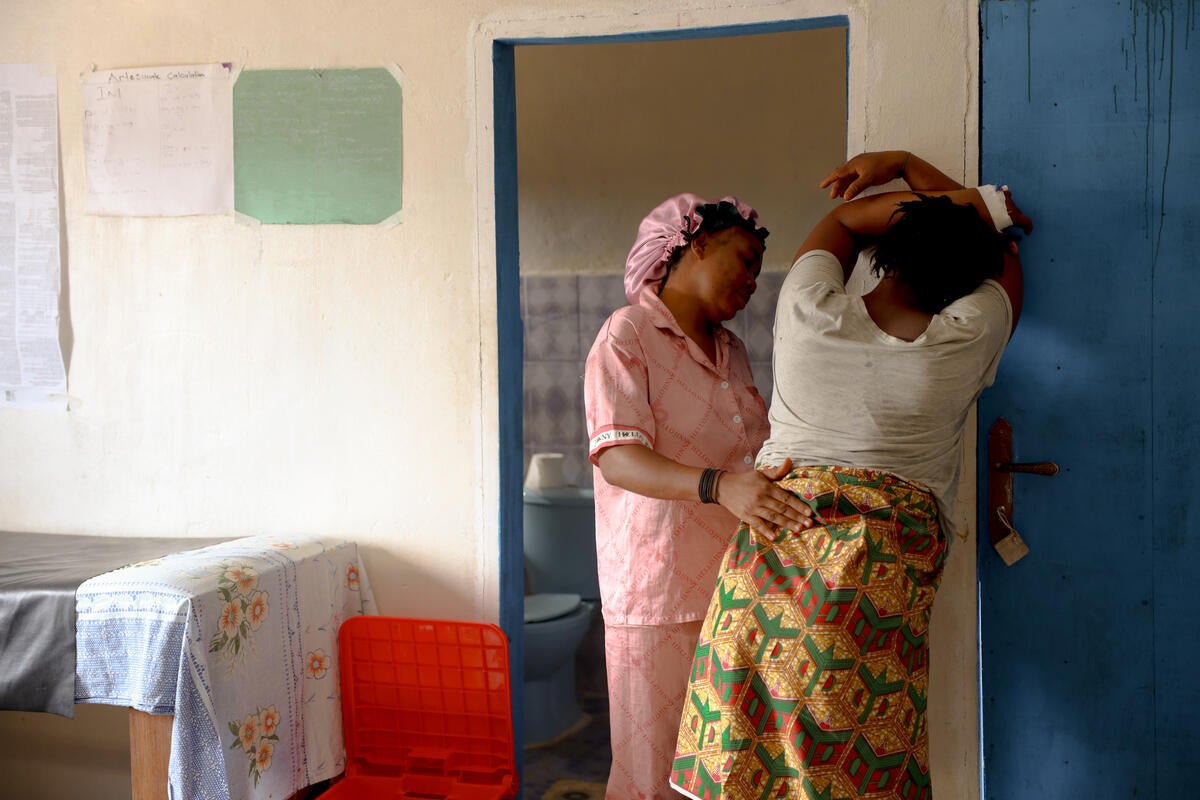
In the heart of Liberia, at a facility known as Diah Clinic, a midwife’s initial action upon a woman entering labour isn’t to assess foetal well-being or monitor vital signs. Instead, the immediate priority is a journey to a nearby pond to fetch water for the ward. This fundamental necessity underpins every subsequent medical procedure.
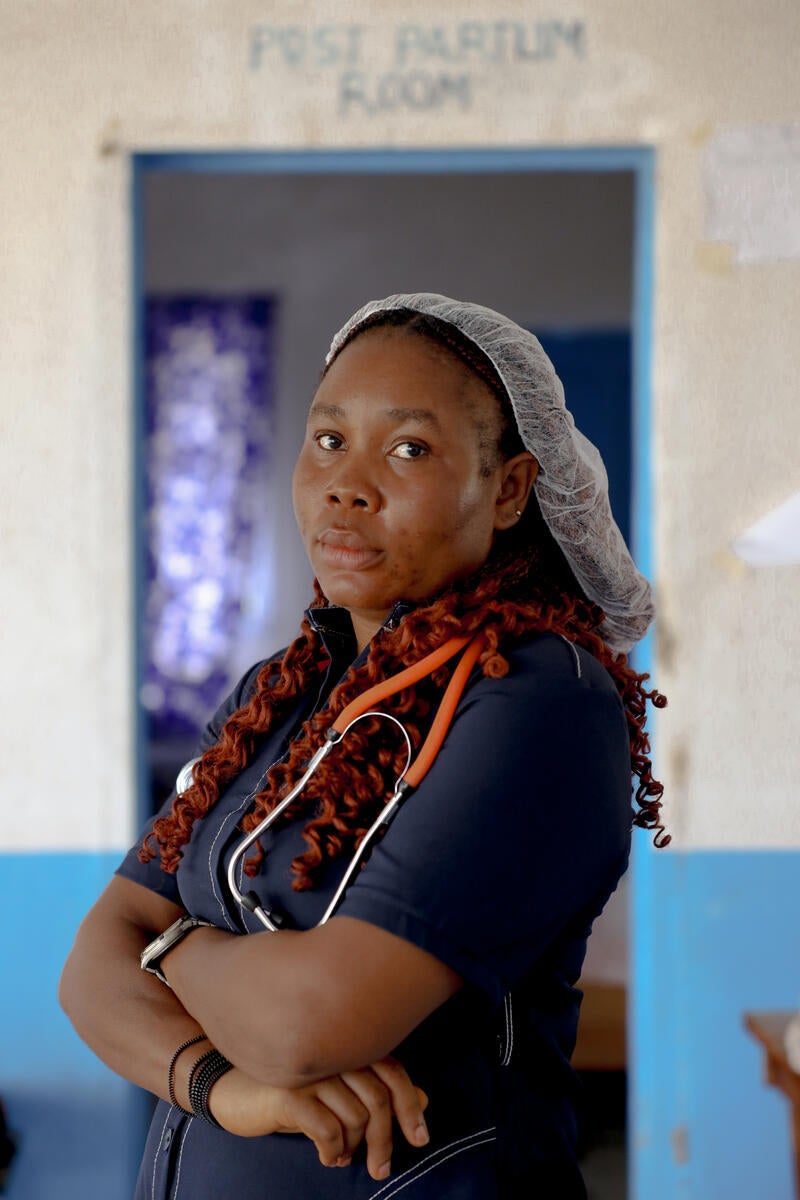
For Shanette Khauala, a dedicated midwife with three years of experience at the clinic, these moments spent sourcing water can carry critical weight. She explains that if a woman arrives in advanced labour, the time lost fetching water could mean the patient is left unattended during the most precarious stage of childbirth.
“If a patient is brought here in labour, the time it takes me to go and look for water, she might deliver and she would need my attention immediately, but I’m not around because I am looking for water,” Shanette states. “That could cause significant harm to either the mum or the baby. I’m looking for water, so she could even bleed to death.”
Shanette’s reality is a stark illustration of the challenging conditions faced by thousands of midwives and nurses across sub-Saharan Africa, circumstances that would be unimaginable in a healthcare setting in countries like the UK.
The Devastating Impact of Inadequate Sanitation and Water
New research, brought to light by WaterAid, underscores the severity of this crisis. The findings reveal that women in sub-Saharan Africa who develop maternal sepsis are a staggering 144 times more likely to die than those in Britain, Europe, and North America. This alarming disparity is directly linked to the dire state of healthcare facilities.
Across ten countries subjected to the survey, a sobering 78 per cent of maternity wards are without functioning toilets. Furthermore, a significant 66 per cent lack access to clean water and soap, essential for staff to maintain basic hygiene and wash their hands. Compounding these issues, 65 per cent of these facilities report no proper cleaning provisions. The consequence is that three out of every four women on the continent give birth in such compromised environments. Tragically, this leads to 36 preventable deaths from maternal sepsis every single day.
Josephine, a registered nurse and community health services officer in Zambia, has been working at a clinic since 2019. While her clinic recently relocated to a new building, offering more space and enhanced patient privacy, the progress is tempered by persistent challenges. Although a pharmacy is now present – albeit stocked with only about 30 per cent of necessary medications – and toilets have been installed on the labour ward, the fundamental issue of water remains. Josephine candidly admits, “To flush the toilet we need to collect water from the pond to throw in.”
The Constant Struggle for Basic Necessities
This pervasive absence of running water impacts even the most routine tasks. For instance, after a delivery, when a ward should be meticulously cleaned and instruments sterilised, staff must first secure water. This leaves patients, even for brief periods, vulnerable at the very moments they may require the most immediate care.
“After the baby is born, we have to go and get water to clean the place. Everything dries out,” Josephine explains.
Back in Liberia, Shanette is already bracing herself for the impending dry season. As the rains cease, accessing water from the pond becomes an even more arduous undertaking. She recounts, “We have to go two or three times to get water. Then we have to clean the place in a hurry. You could slip when carrying the bucket of water up to the clinic.”
Shanette highlights the crucial role that even a basic clinic can play, especially in a country where many women are unable to reach a hospital for childbirth, even under ideal circumstances. Within the clinic, she can sterilise instruments, monitor for haemorrhages, and watch for signs of infection. While the established protocols are fragile, she notes that deliveries occurring at home lack any such safeguards.
“At home, they just do the delivery. If the child is born with any problems, they won’t be able to treat them right away,” Shanette observes.
A Call for Investment and Change
WaterAid estimates that strategic investment in water, sanitation, and hygiene within healthcare settings could effectively halve the incidence of maternal sepsis. However, a concerning trend is emerging. The UK government’s overseas aid budget allocated to water and sanitation has seen a significant decline, dropping from £206.5 million in 2018 to £80 million in 2024, with further reductions anticipated.
Without the fundamental provision of running water, every safeguard is compromised, and every essential step in patient care is disrupted. Shanette believes that if this basic necessity were met, the transformation would be immediate and profound.
“We could wash the mother and clean the child. Then we could wash all of our instruments and spaces in the delivery and postpartum rooms,” she envisions. “Then we could focus on monitoring the vitals of the baby and the mother.” A wistful pause precedes her heartfelt declaration: “If I could have this, I would become a happy woman.”
The call to action is clear: a petition, “Time to Deliver,” has been launched by WaterAid, urging for critical improvements.