Maternal Sepsis: A Deadly Crisis in Sub-Saharan Africa Fueled by Lack of Basic Facilities
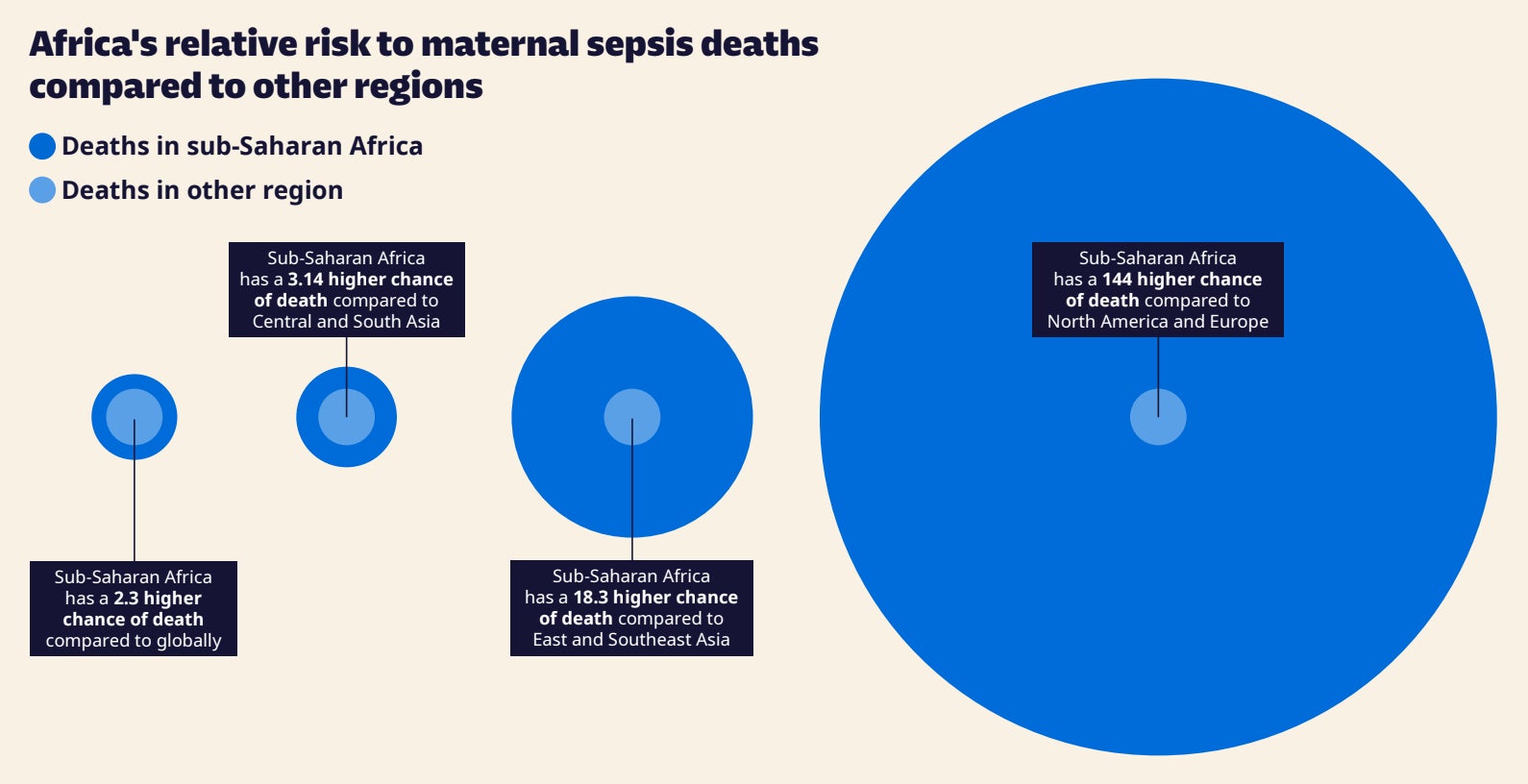
A stark and alarming disparity in maternal mortality rates has been brought to light by new research, revealing that women in sub-Saharan Africa developing maternal sepsis face an almost 150-fold higher risk of death compared to their counterparts in Britain, Europe, and North America. This devastating reality is directly linked to a critical lack of clean water and adequate sanitation in healthcare facilities, contributing to an estimated 36 preventable deaths each day.
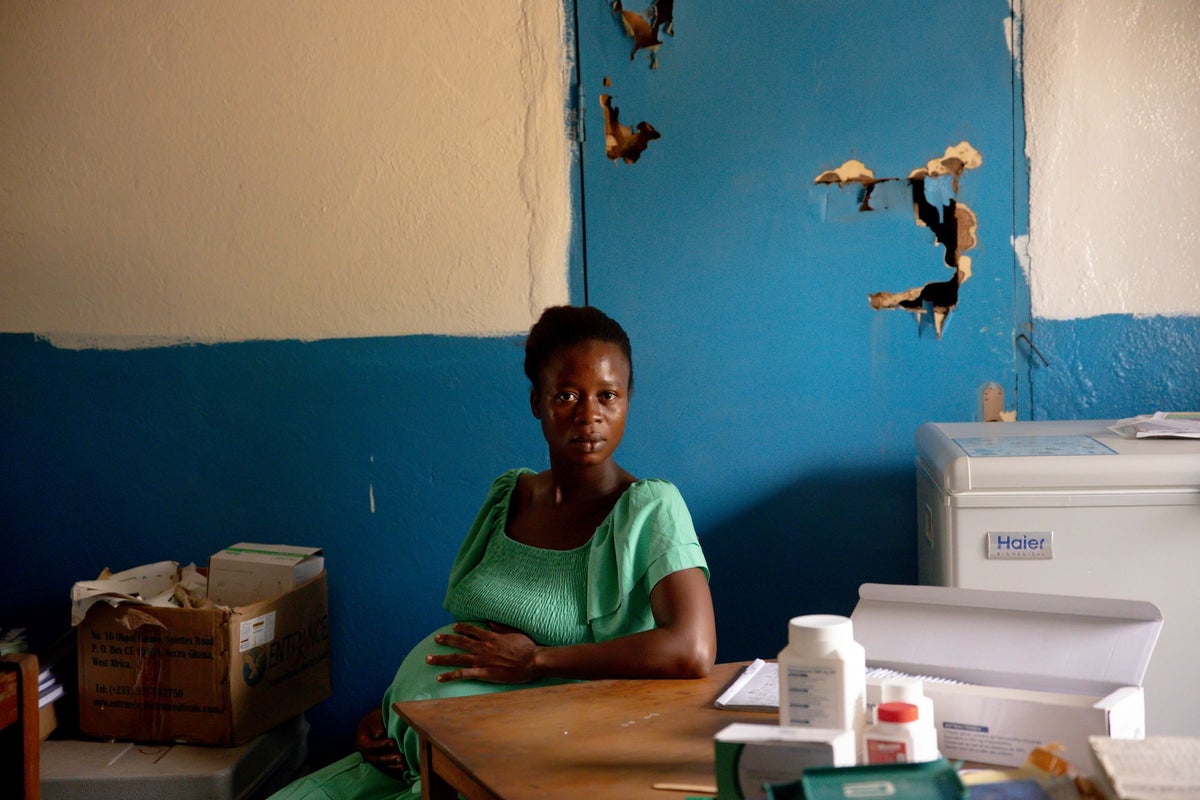
The comprehensive analysis, conducted by the international non-governmental organisation WaterAid, highlights that maternal sepsis – recognised as one of the most perilous complications during pregnancy and childbirth – is significantly more lethal in many African regions. This heightened danger is attributed to maternity wards that frequently lack the most fundamental necessities: clean water, functional toilets, and basic hygiene provisions. Compounding these dire circumstances are the detrimental impacts of significant cuts to overseas aid from countries like the United States and the United Kingdom, which have profoundly affected vast areas across the continent.
Across sub-Saharan Africa, it is estimated that a staggering 4.7 million women contract maternal sepsis annually. This figure equates to approximately one in every nine births. Maternal sepsis occurs when the body experiences a life-threatening response to an infection, often initiated by bacteria entering the bloodstream during or immediately after labour and delivery.
Globally, the fatality rate for maternal sepsis stands at around one death for every 1,100 cases. However, within Africa, this rate skyrockles, with one maternal death occurring for every 350 cases. In stark contrast, mothers in Western Europe and North America experience a vastly lower risk of succumbing to this condition.
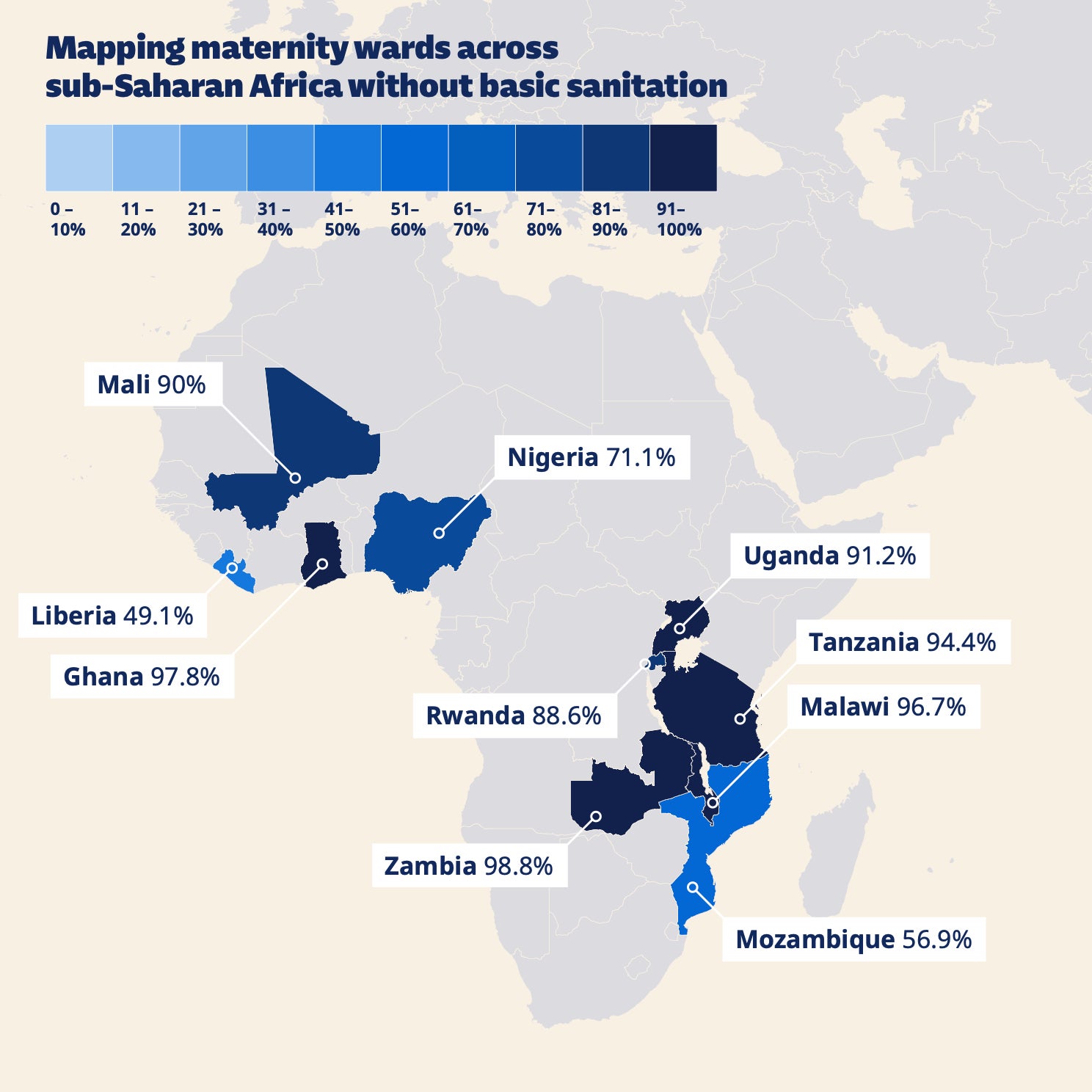
Health experts underscore that this profound disparity is a direct reflection of the grim conditions prevalent in many maternity wards, where even the most elementary elements crucial for safe childbirth are conspicuously absent. WaterAid’s research paints a concerning picture, indicating that a substantial three out of every four births occurring in healthcare facilities throughout sub-Saharan Africa take place in environments devoid of adequate water, sanitation, or hygiene. These conditions dramatically amplify the risk of infection for both mothers and their newborns.
The charity’s latest report, aptly titled “Born Without Water: the crisis in our delivery rooms,” meticulously examined maternity services across 16 nations in Africa and Asia, including significant countries such as Nigeria, Malawi, Tanzania, and Bangladesh. The findings revealed a pervasive deficiency in essential infrastructure required for safe and hygienic deliveries in numerous clinics.
Alarming Deficiencies in African Maternity Wards
The investigation into maternity wards across Africa yielded deeply concerning statistics:
- 78 per cent of facilities studied lacked a functioning toilet.
- Two-thirds of these facilities were without access to clean water and soap, essential for staff hand hygiene.
- 65 per cent failed to meet even the most basic standards for environmental cleaning and upkeep.
These alarming findings coincide with the launch of WaterAid’s new global campaign, “Time to Deliver,” initiated in Westminster. The campaign is a fervent call for increased international investment in water, sanitation, and hygiene (WASH) initiatives within healthcare facilities worldwide.
The campaign has garnered support from prominent figures, including acclaimed actors Sir Mark Rylance, Myleene Klass, Sir Stephen Fry, and singer Beverley Knight. These individuals are backing WaterAid’s global petition, which implores world leaders to prioritise the provision of clean water in maternal healthcare ahead of the upcoming United Nations Water Conference.
A Call for Urgent Action and Investment
Amaka Godfrey, WaterAid’s Executive Director of International Programmes, expressed profound concern, stating that no woman should face the threat of losing her life during childbirth simply because clinics are inadequately equipped with basic sanitation facilities.
She elaborated, “In the UK, maternal sepsis remains one of the most feared complications of pregnancy and childbirth. Yet millions of women elsewhere are forced to give birth in facilities without clean water, toilets or soap.”
Ms. Godfrey emphasised that improving hygiene standards in maternity wards has the potential to dramatically reduce the incidence of infections and subsequent deaths. The WaterAid report posits that investing in and implementing robust WASH programs across healthcare facilities could avert an estimated 10 million cases of maternal sepsis and save 8,580 lives globally each year. Remarkably, this could be achieved at a cost of less than $1 per person.
Beverley Knight echoed these sentiments, passionately declaring, “No woman should face danger or indignity during childbirth… Clean water in every health centre is not a luxury — it is a right.”
Sir Mark Rylance drew a powerful parallel to historical medical advancements, referencing his role as Dr. Semmelweis, a 19th-century physician whose revolutionary practice of handwashing significantly reduced maternal deaths. “In Dr Semmelweis’ day, we did not understand the science, today there is no such excuse. It is unacceptable that women are still exposed to these conditions,” he stated.
Sir Stephen Fry added his support, highlighting the campaign’s feasibility and profound global impact: “Aside from its urgency and importance, this campaign is so worth getting behind because its aims are achievable, they truly are, and when achieved will have the most dazzlingly marvellous impact all around the world.”
Campaigners are also sounding the alarm about the negative consequences of dwindling aid budgets. Government spending in the UK on overseas water, sanitation, and hygiene programmes has seen a sharp decline, falling from £206.5 million in 2018 to just £80 million in 2024, with further reductions anticipated.
WaterAid maintains that restoring investment and enhancing basic infrastructure in maternity wards could save thousands of lives annually, at an approximate cost of just 75 pence per person in the world’s most impoverished nations.
“Every woman has the right to give birth safely and with dignity. Clean water in delivery rooms is not a luxury – it is the foundation of safe maternal care,” reiterated Ms. Godfrey.