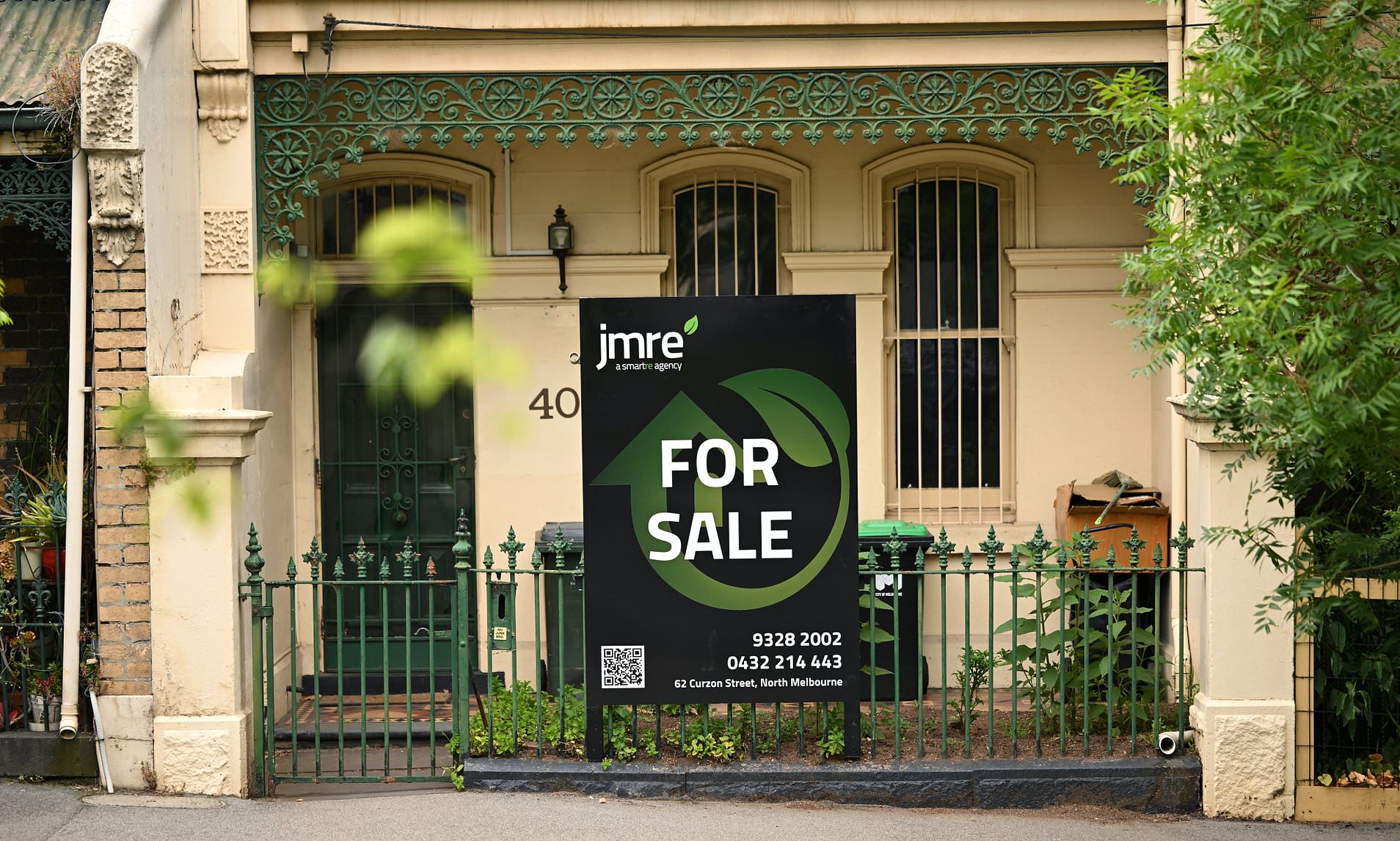
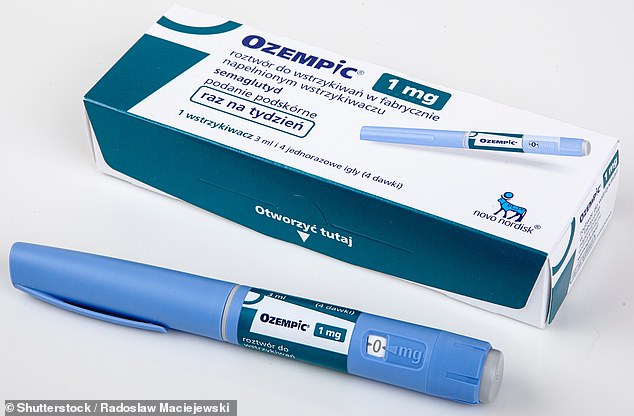
The Hidden Cost of Weight Loss Drugs: How Ozempic Could Be Costing You a Home
Australians are increasingly turning to popular weight loss medications like Ozempic, Mounjaro, and Wegovy, often spending hundreds of dollars each month in pursuit of their health and aesthetic goals. However, this significant financial outlay might be having an unintended and substantial impact on their ability to achieve another major life goal: homeownership. Lenders are now scrutinising these GLP-1 medications, and the monthly expenditure could be significantly reducing borrowing capacity.
Research indicates that the average Australian using these popular weight loss drugs is forking out approximately $610 per month. While the focus is rightly on the scales, the financial implications for aspiring homeowners are often overlooked. This regular expenditure could be slashing borrowing power by as much as $100,000, a figure that could make the difference between securing a mortgage or being priced out of the property market.
While a notable percentage of Australians – around 17 per cent – are currently taking GLP-1 medications, it’s important to note that only a smaller portion, about seven per cent, are using them to manage pre-existing health conditions like diabetes. For the majority, the drugs are being used for weight management, a distinction that lenders are increasingly taking into account.
Lenders’ Scrutiny: The Household Expenditure Measure (HEM)
According to mortgage experts, lenders are now factoring in regular spending on GLP-1 medications when assessing loan applications. Debbie Hays, a mortgage expert, explained that this monthly outlay can be incorporated into the Household Expenditure Measure (HEM) assessment. The HEM is a crucial benchmark used by Australian lenders to establish a minimum expected level of household spending. It’s often used either in conjunction with, or as an alternative to, the borrower’s own declared expenses.

Ms Hays highlighted a critical point: if these drugs are being used for elective weight loss, lenders may classify them as discretionary expenses. This places them in a similar category to other non-essential outgoings such as private health insurance premiums or private school fees.
When borrowers submit their bank statements for a home loan application, lenders have an obligation to thoroughly review them. Any recurring direct debits, especially those for substantial amounts, will inevitably prompt questions. “If they find a regular direct debit of $700, they will question what it is,” Ms Hays stated. She further elaborated that such an expense, being higher than private health cover for a single applicant, could lead a lender to determine that it reduces a borrower’s capacity to borrow by between $80,000 and $100,000.
The Shock Factor for Aspiring Homeowners
The reality can be a stark surprise for hopeful homeowners who are also managing the costs of these medications. “They don’t even think about it,” Ms Hays observed, “and as a borrower, you must think everything is against you with the current cost-of-living.” For individuals grappling with both the desire to save for a home and the need to manage their weight through medication, these two objectives can unfortunately be in conflict.
To illustrate the potential impact, consider a child-free couple earning a combined annual income of $220,000. If they have an additional monthly expense of $610 for GLP-1 medications, and this is considered outside the HEM, their borrowing capacity could be reduced by approximately $100,000. This modelling, based on a 30-year owner-occupier loan with principal and interest repayments and a Loan to Value Ratio below 80 per cent, could see their maximum borrowing capacity drop from $1.2 million to $1.1 million.
For the average Australian spending $610 a month on these medications, this equates to roughly 15 per cent of the typical $4,180 monthly mortgage repayment. The financial burden is particularly acute for younger generations. Millennials are reportedly spending up to $760 a month on weight loss drugs, with 18 per cent of this demographic reporting such expenditure. In contrast, only eight per cent of Gen X and a mere two per cent of Baby Boomers indicated using these medications for weight loss purposes.
This emerging trend underscores the importance of a holistic financial review for anyone planning to enter the property market, especially in the current economic climate. Understanding how all expenses, including those for emerging medical treatments and lifestyle choices, can impact borrowing capacity is crucial for making informed decisions and achieving financial goals.