Housing Target Slipping Away as Construction Sector Faces Mounting Challenges
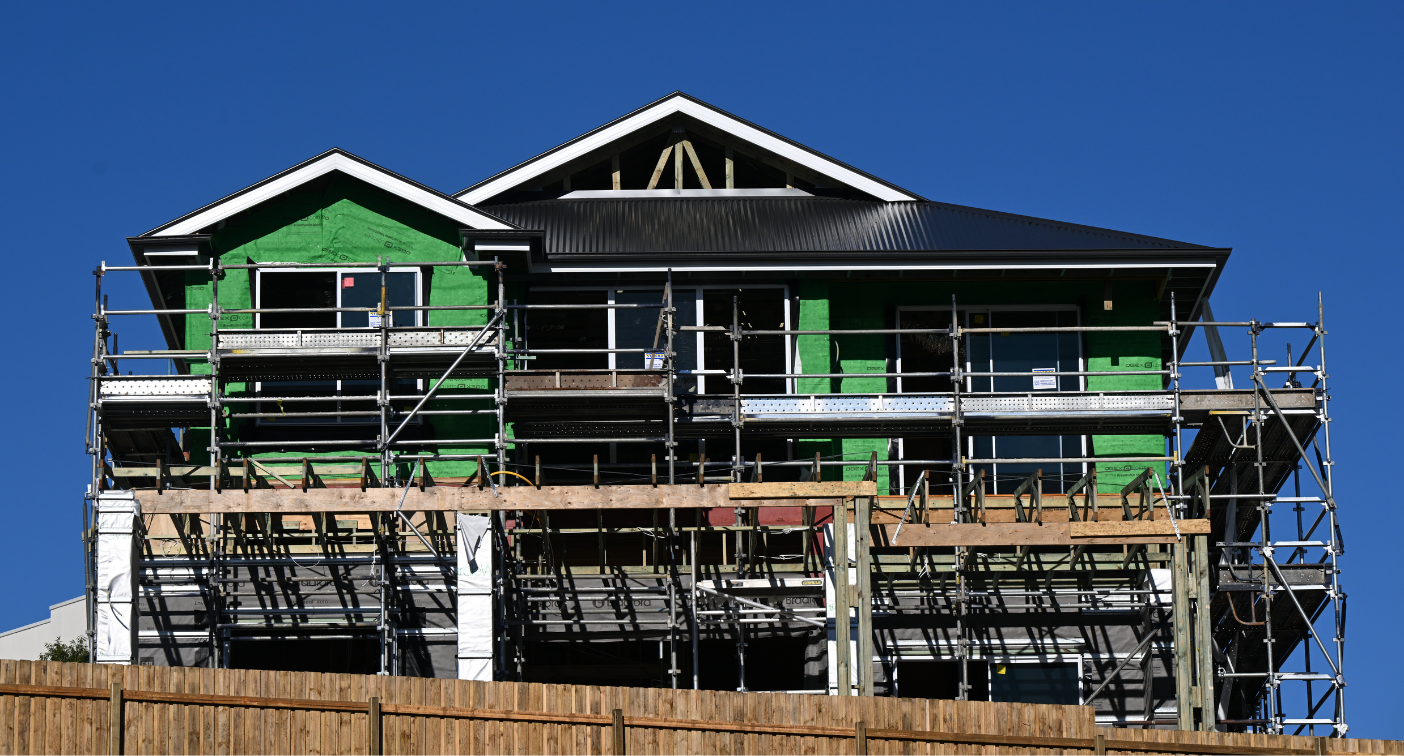
Australia’s ambitious goal of constructing 1.2 million new homes before the end of the decade is facing significant headwinds, with forecasts indicating the nation is falling further behind. The construction industry is grappling with a growing backlog, a situation exacerbated by global events that are driving up costs and disrupting vital supply chains.
Master Builders Australia, the peak body representing the building and construction sector, has released its latest projections, revealing a dimmer outlook for new home construction compared to six months ago. In the face of increasingly difficult economic conditions, the association now anticipates the commencement of 995,894 new homes, a downward revision from its previous forecast of 1,019,818.
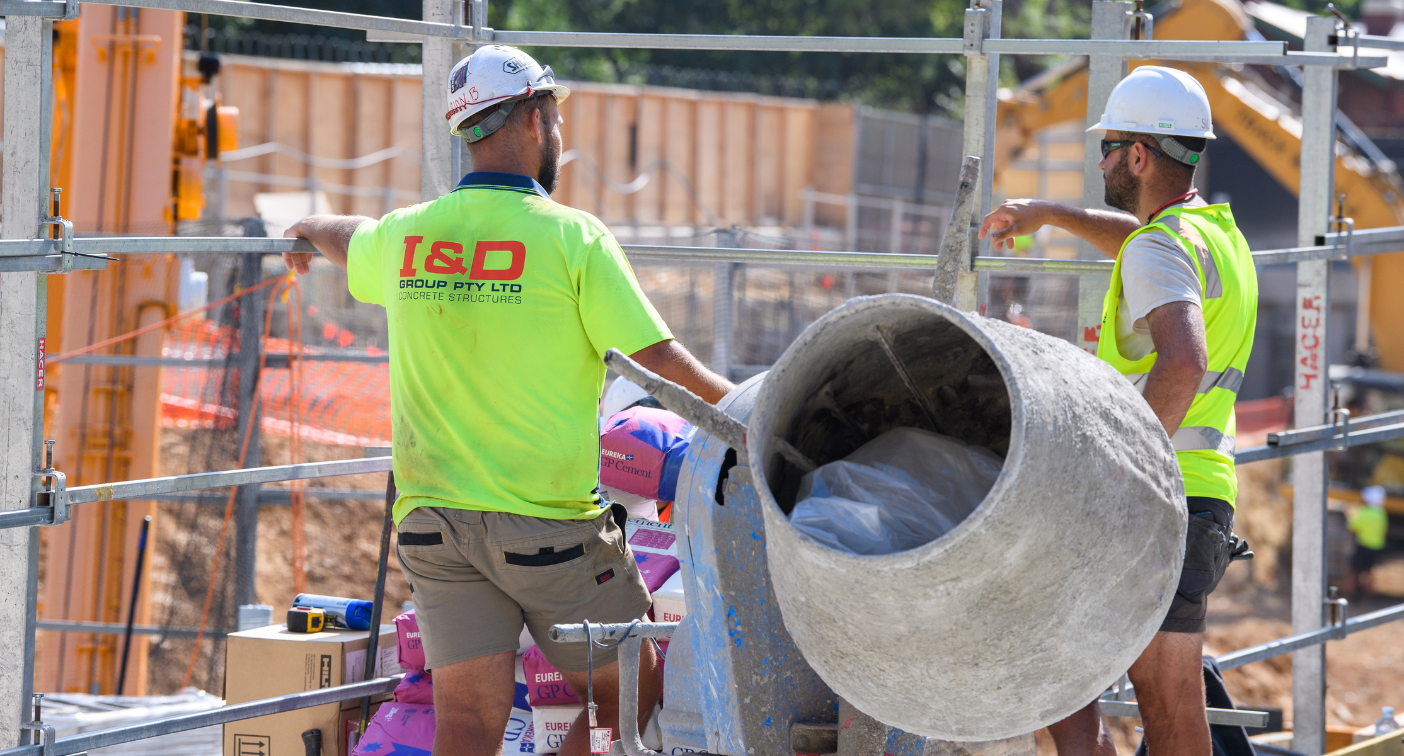
Shane Garrett, Chief Economist at Master Builders Australia, expressed concern over the widening gap. “The goal of 1.2 million new homes before the end of the decade is drifting further away, with a 204,000-home shortfall now predicted,” he stated. Garrett highlighted a confluence of factors hindering the industry’s capacity to deliver, including persistent labour shortages, the pressure of rising interest rates and inflation, declining productivity, and the escalating cost of essential building materials.
These concerns are echoed in the first quarterly report from the National Housing Supply and Affordability Council, which confirmed that no Australian state or territory is currently on track to meet its housing targets. Despite a 9 per cent increase in building approvals over the past 12 months, actual building completions have seen a 2 per cent decline during the same period.
The Reality on the Ground: A Slowdown in Completions
Since the commencement of the national housing accord, an average of 219,000 homes have been completed over five quarters. To achieve the ambitious target, Australia would need to be completing approximately 240,000 new homes annually.
Housing Minister Clare O’Neil acknowledged the long-term nature of the housing crisis, stating that “fixing a problem generations in the making” would inevitably take time. However, she pointed to positive signs in housing supply, noting that more homes are being approved, built, and delivered at a faster pace. Minister O’Neil believes these developments provide a “solid foundation for the industry to navigate supply chain pressures emerging from the conflict in the Middle East.”
Global Instability and Economic Pressures Compound the Problem
Critically, the shortfall forecast from Master Builders Australia does not yet fully account for the ongoing ramifications of the war in the Middle East or the most recent interest rate hikes. Industry experts are warning of a potential repeat of the challenges faced during the COVID-19 pandemic.
Many builders are reportedly being forced to absorb rising costs due to the prevalence of fixed-price contracts, a situation that mirrors the economic pressures experienced during the pandemic. Denita Wawn, CEO of Master Builders Australia, emphasised the urgency of the situation. “The forecasts were already far from where Australia needed to be, and the recent instability will only make things worse,” she commented. “The industry doesn’t want a repeat of Covid, and with the federal budget only weeks away, the policy solutions are now even more urgent.”
Calls for Government Intervention and Policy Solutions
Master Builders Australia is urging the government to implement targeted policies in the upcoming federal budget to address these critical issues. Their recommendations include:
- Opening New Migration Pathways: Facilitating the entry of overseas construction workers to alleviate existing labour shortages.
- Boosting Investment: Increasing both private and public investment in housing development.
- Enhancing Asset Write-Offs: Raising the instant asset write-off threshold to $150,000, providing greater financial relief for businesses.
- Streamlining Regulations: Simplifying the National Construction Code to reduce bureaucratic red tape and expedite building processes.
The association is advocating for responsible tax incentives, significant investment in the construction workforce and essential infrastructure, and a more streamlined regulatory environment. These measures, they argue, are crucial for the industry to overcome current obstacles and get Australia back on track to meet its housing targets.