
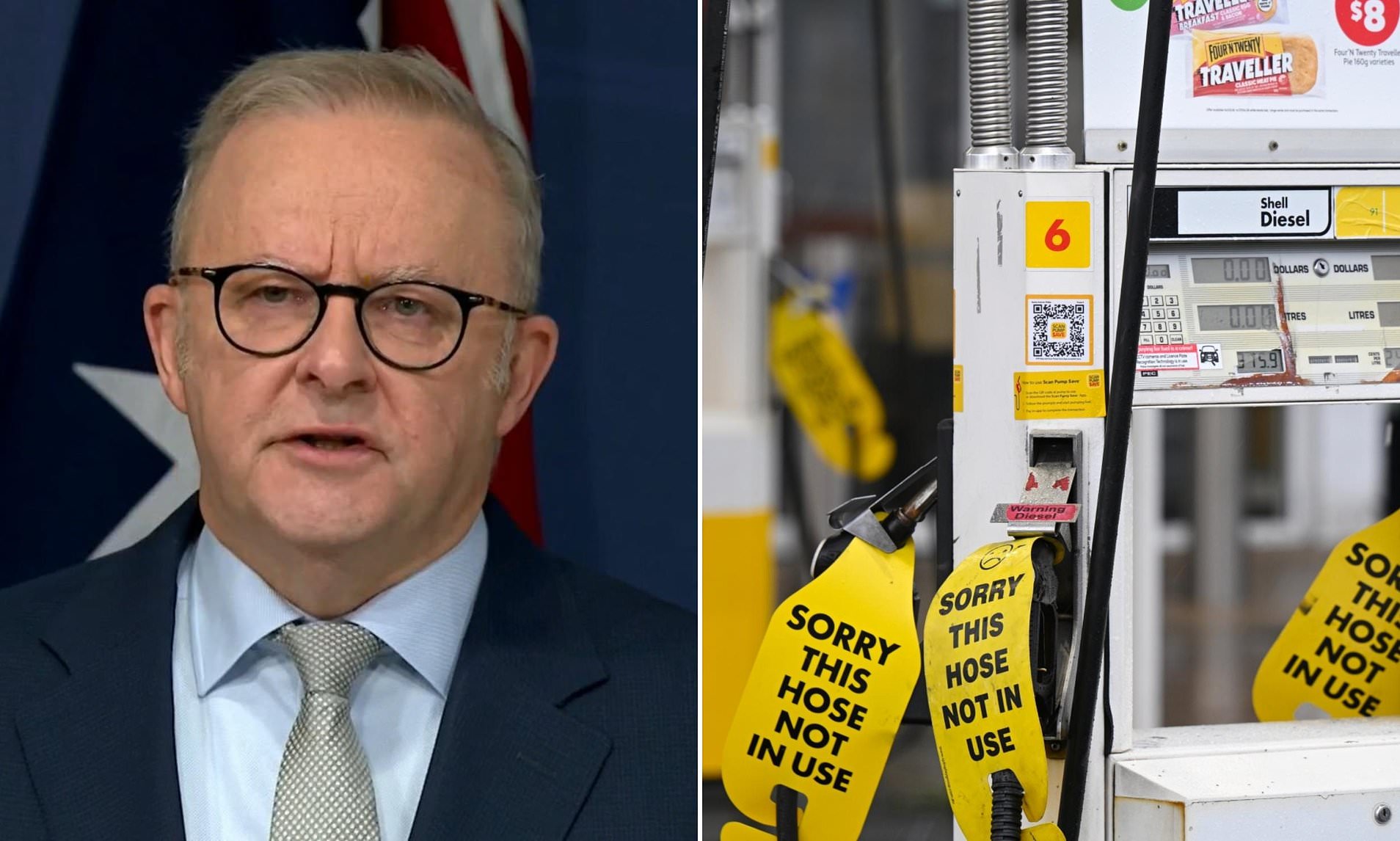
Australia Unveils Sweeping Powers to Secure Fuel Supply Amidst Global Volatility
The Australian government is set to implement significant new security powers aimed at bolstering the nation’s fuel supply and mitigating the impacts of a volatile global market. Prime Minister Anthony Albanese announced that his government will be granted extensive authority to underwrite ‘shiploads of fuel,’ a strategic move designed to directly address concerns surrounding Australia’s fuel security.
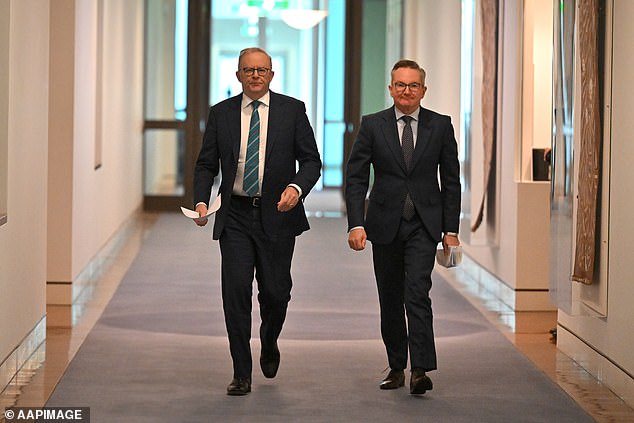
Speaking alongside Energy Minister Chris Bowen at a press conference in Sydney, the Prime Minister detailed the government’s plan to leverage Export Finance Australia. “Put simply, we will use Export Finance Australia to underwrite the purchase of shiploads of fuel that will add to supply here in Australia,” Albanese stated. He emphasised that this government intervention would go beyond standard commercial practices, requiring the procurement of additional supplies not readily available on the international market.
These new powers are intended to provide a crucial safety net, allowing the government to underwrite fuel shipments that might otherwise be deemed too costly due to national security considerations. This proactive approach aims to ensure Australia has access to essential fuel resources, even in challenging geopolitical climates.
National Fuel Stock Update
Energy Minister Chris Bowen provided a snapshot of the nation’s current fuel reserves:
- Petrol: Australia currently holds approximately 39 days’ worth of petrol, equating to 1.6 billion litres. Bowen noted a slight increase in this figure.
- Diesel: The nation has 30 days of diesel supply, which amounts to 2.7 billion litres. This stock level has remained relatively stable.
- Jet Fuel: A total of 30 days of jet fuel is available, representing 828 million litres.
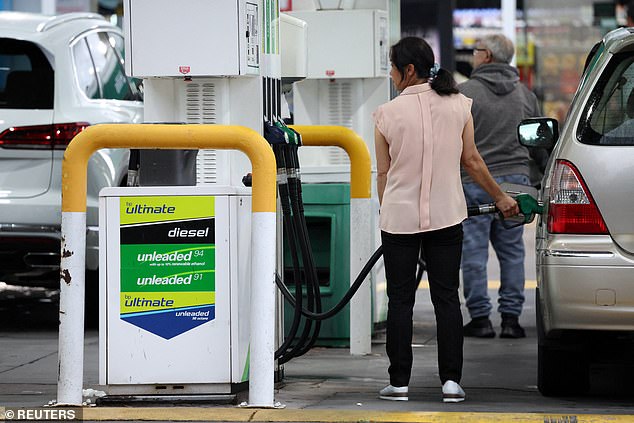
“While the fuel is flowing strongly out the door, especially to regional Australia, it also continues to flow in the door,” Bowen assured reporters. “Every expected arrival has arrived, and our international supply chain remains secure at this point.” He highlighted that the government is actively monitoring and managing the inbound flow of fuel to maintain robust national reserves.
Legislative Framework and Broader Applications
The implementation of these new security powers will necessitate amendments to the Export Finance and Insurance Corporation Act. Legislation to enact these changes is slated for introduction on Monday.
Prime Minister Albanese indicated that the government’s national action plan extends beyond fuel, with provisions to facilitate the purchase of fertilisers and other essential commodities. This broader scope underscores a commitment to safeguarding critical supply chains in the face of escalating global uncertainties.
“Put simply, there is a risk of a private purchase of a shipload of fuel at higher prices because there is so much uncertainty with the war in the Middle East,” Albanese explained. “This is about risk mitigation for them, to add to supply here. It will give suppliers the confidence to secure additional and discretionary cargos used to service un-contracted demand, including for regional and independent fuel suppliers.”
The Prime Minister reiterated his commitment to preparedness, stating, “I want us to have the strongest possible plans, so we’re ready for what may come.” He confirmed that Australia’s fuel supply outlook remains secure in the immediate future, but acknowledged the potential for longer-term impacts from ongoing international conflicts. “Let’s be clear. The longer this war goes on, the more the impacts will be. What we want is to be over-prepared, and that is essentially the action we’re taking now.”
Industry Calls for Support
The National Road Transport Association (NatRoad) had previously outlined three urgent actions it believed were necessary ahead of the government’s announcement. These included:
- Emergency financial support payments for transport businesses impacted by fuel price volatility.
- A six-month moratorium on loan repayments for heavy vehicle equipment.
- A suspension of the road user charge.
Warren Clark, NatRoad’s chief executive, stressed the importance of a unified national approach. “A consistent, nationwide approach is critical to ensure operators aren’t facing a patchwork of measures and can access the same level of support regardless of where they operate,” he said. Clark described these measures as “practical, short-term actions that would deliver immediate cashflow relief and help keep trucks on the road.”
Opposition’s Stance
The Coalition has advocated for a reduction in the fuel excise as a means of providing relief to motorists. However, NatRoad’s chief executive, Warren Clark, argued that this measure alone would not sufficiently address the magnitude of the current crisis. “The government’s response has fallen well short of what industry urgently needs,” Clark commented. “Operators are crying out for help, yet the government continues to be largely absent at a time when decisive intervention is critical.”
Opposition Leader Angus Taylor has proposed halving the 52.6 cents per litre fuel excise, in addition to reducing the heavy vehicle road user charge, asserting that these steps would offer immediate financial relief to households.
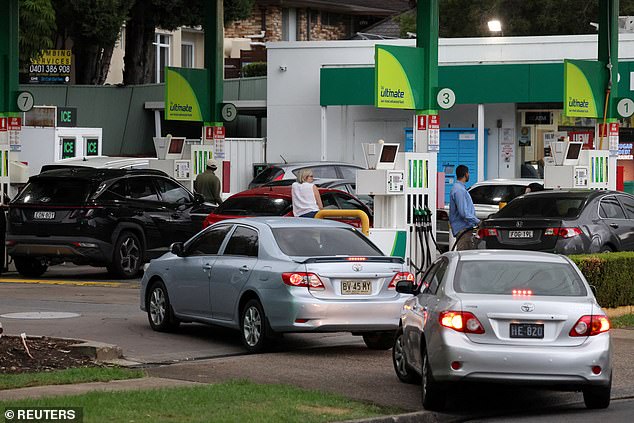
The government has also confirmed that six fuel shipments to Australia, which had been cancelled or deferred, have been successfully replaced with new cargoes. Despite these efforts, Labor has consistently maintained that Australia possesses adequate fuel reserves and that any perceived shortages are primarily driven by panic buying. The ongoing US-led conflict involving Iran has significantly disrupted major oil shipping routes, contributing to a surge in global oil prices.


