Australia Bolsters Fuel Security Amid Middle East Tensions
The Australian government is taking proactive steps to ensure the nation’s fuel supply remains robust, even as escalating conflict in the Middle East creates global uncertainty. Prime Minister Anthony Albanese has pledged that Australia will be “overprepared” for any potential disruptions, with new legislative powers set to be considered by Federal Parliament to underwrite private companies in securing additional petrol and diesel shipments.
The ongoing instability in the region, particularly concerning the Strait of Hormuz, has already led to significant price hikes and concerns about dwindling supplies. To counter this, the government proposes utilising public funds to financially back private enterprises, encouraging them to purchase extra fuel cargoes destined for Australia.

“This support from the government will not be business as usual,” Mr Albanese stated. “It has to be additional supplies that are available on the international market and it literally will be underwriting the purchase of shiploads of fuel to get here to Australia.” He elaborated that these measures are designed for risk mitigation, empowering suppliers to confidently secure extra and discretionary cargoes. This initiative aims to bolster supplies and meet uncontracted demand, with a particular focus on supporting regional and independent fuel distributors.
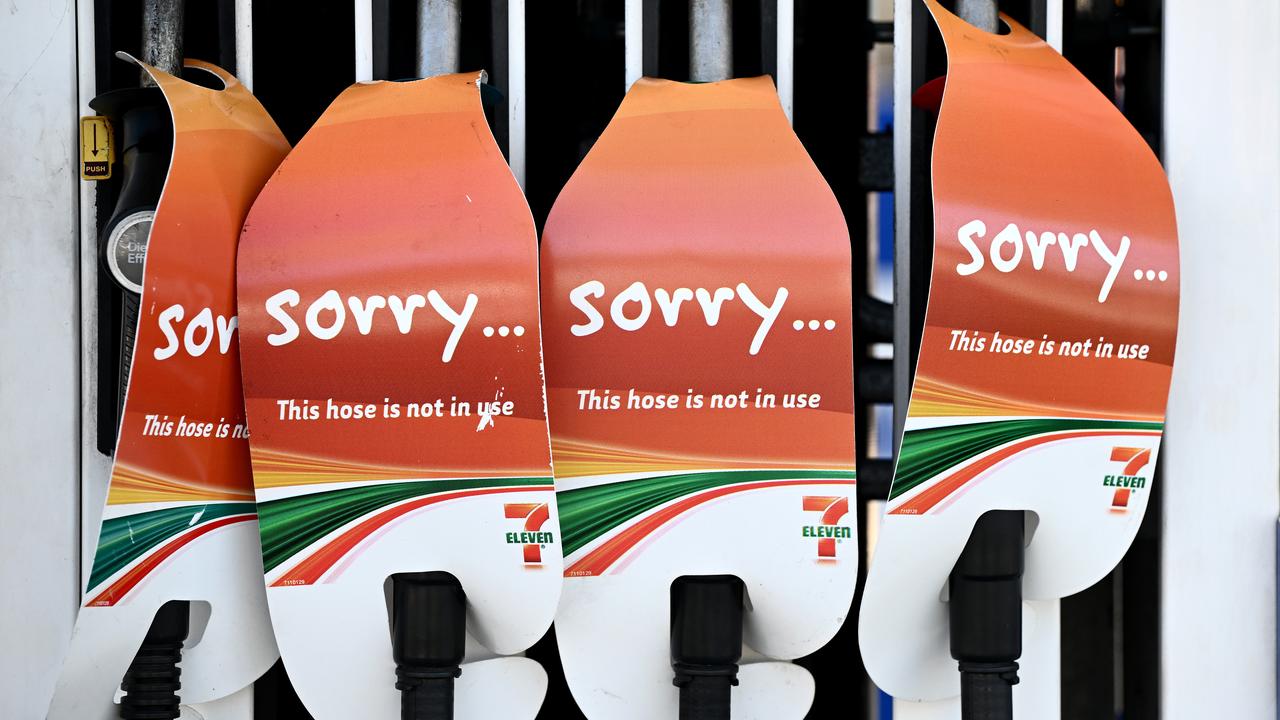
While the Australian energy market has seen some cancellations, with six out of 81 scheduled fuel cargo arrivals in April being replaced by others, the government is keen to avoid any complacency. Mr Albanese stressed the importance of being “overprepared” in the face of geopolitical volatility.
He also issued a plea for common sense from the Australian public, urging against unnecessary stockpiling of fuel. Reports of individuals purchasing multiple jerry cans have surfaced, prompting the Prime Minister to state, “That’s not the Australian way, people need to take what they need and no more.” He reiterated the call for responsible behaviour from both individuals and businesses, noting that even retailers like Bunnings have reportedly run out of jerry cans due to excessive demand.
Fuel Price Hikes and Government Response
The impact of global events is already being felt at the bowser. Australia’s consumer watchdog recently reported significant increases in fuel prices across the nation’s major cities.
- Diesel Prices:
- In the five largest cities, average diesel prices reached 303.5 cents per litre, a jump of 27.8 cents within a single week.
- Regional Australia experienced even more pronounced increases, with average diesel prices hitting 307.6 cents per litre, a weekly rise of 28.6 cents.
- Unleaded Petrol Prices:
- Average unleaded petrol prices climbed to 252.2 cents per litre.

In response to these rising costs, the opposition has put forward a proposal to halve the fuel excise, currently set at 52.6 cents per litre, along with the heavy vehicle road user charge. However, the government has so far ruled out this approach.
Energy Minister Chris Bowen provided an update on current fuel reserves, stating that Australia holds approximately 39 days of petrol, 30 days of diesel, and 30 days of jet fuel. He acknowledged the complexities of the global supply chain and emphasised that the proposed legislative powers would enable companies to enhance their fuel imports.
“While the ships continue to come to Australia … the fact of the matter is cargo internationally is available, but is getting increasingly expensive and increasingly risky in a volatile environment,” Mr Bowen explained. He added that while commercial decisions are currently being made by companies at elevated prices, government intervention would be necessary to secure cargoes that Australia might otherwise miss out on if prices continue to fluctuate dramatically.
National Cabinet and Industry Reaction
Prime Minister Albanese is scheduled to convene with state and territory leaders on Monday for a National Cabinet meeting to co-ordinate a unified national response to the unfolding situation.
The Australian Automobile Association (AAA), the nation’s peak motoring body, has welcomed the proposed government measures.
- Benefits of Proposed Measures:
- The AAA believes that improving Australia’s fuel security will significantly help to “settle people’s nerves and reduce the unprecedented demand.”
- Increased certainty of supply is also expected to contribute to easing prices.
- The measures will empower fuel distributors to better meet the needs of retailers, particularly those in regional areas currently facing supply shortages.
Michael Bradley, the AAA’s Managing Director, commented that these initiatives will “do much to settle people’s nerves and reduce the unprecedented demand.” He further noted that enhanced supply certainty would ease prices and allow fuel distributors to support retailers struggling with shortages, especially in regional Australia.