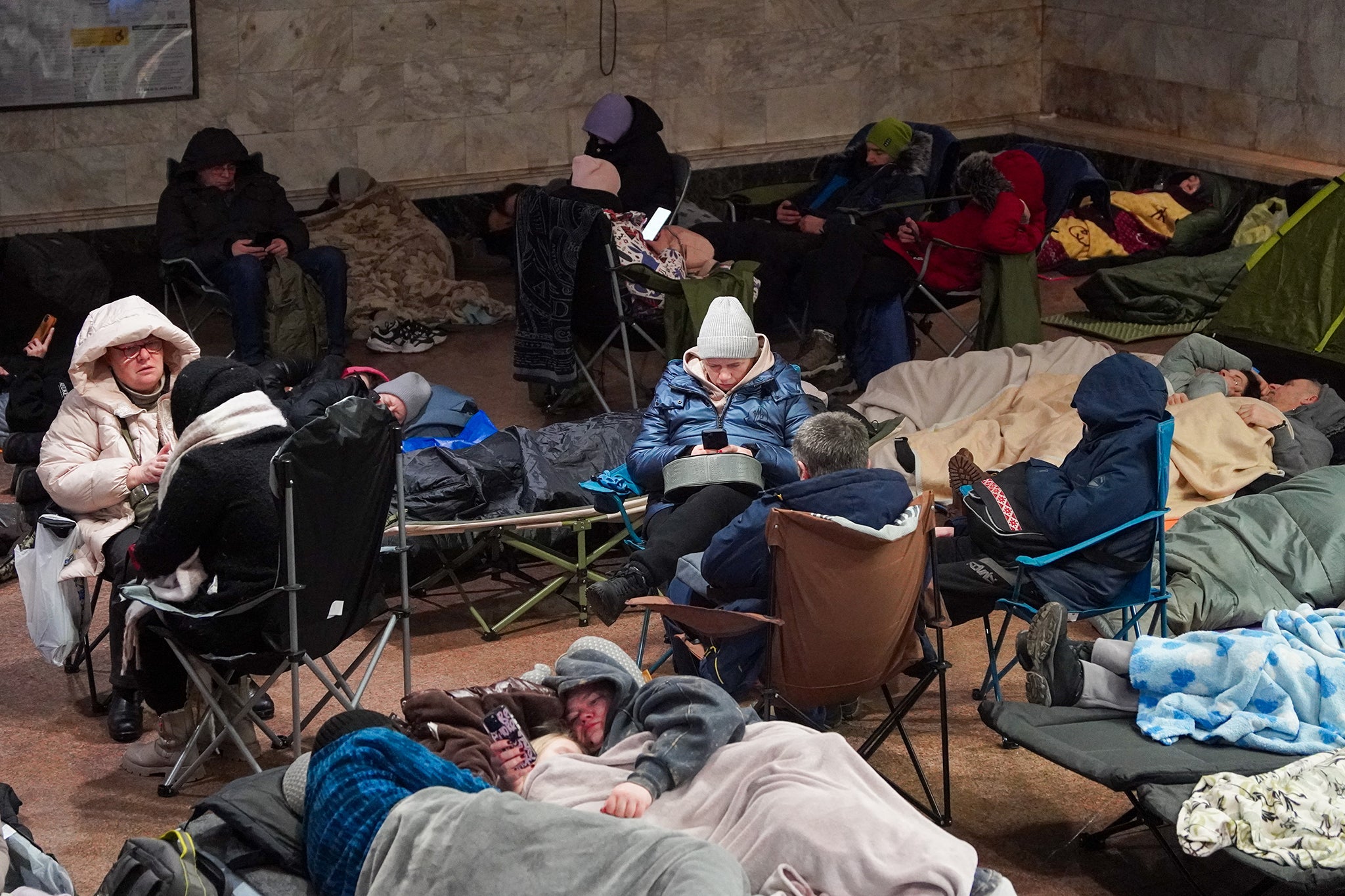
Ukrainians Face Winter of Despair Amidst Stalled Peace Talks and Escalating Crises
As the much-anticipated peace talks between Ukraine, Russia, and the United States remain in limbo, the Ukrainian people are grappling with a deepening humanitarian crisis. The relentless Russian assault, coupled with a brutal winter, has left many families struggling to put food on the table and facing unprecedented hardship. The nation is enduring its coldest winter in over a decade, with temperatures plummeting to as low as -26°C, making the lack of power and heating a matter of survival.
The ongoing conflict has severely impacted Ukraine’s energy infrastructure, with Russian forces intensifying strikes at the beginning of the year. This has resulted in widespread blackouts, plunging vast areas of the country into darkness. For many, this means an inability to cook meals, exacerbating the struggle against the freezing temperatures.
The latest round of diplomatic efforts has offered little solace to Ukrainians, particularly those in aid-starved frontline regions. Declining volunteer numbers and increasingly scarce food supplies are adding to the growing sense of despair.
The Grim Reality on the Frontlines
Tetiana Usachova, a 36-year-old mother of two, shares her profound sense of hopelessness. Displaced from the Donetsk region along with her retired parents, she expresses the deep desire to provide for her children, but the harsh economic realities are overwhelming. “I want to give the best to my children,” she states, “But prices have risen sharply, and social benefits from the state are meager. My children need vegetables, meat, fish, fruits, and cheese. But there is not enough money.”
Families residing in the so-called “red zones” are facing unimaginable challenges. According to the Ukrainian charity Hope for Ukraine, these families are forced to make a week’s worth of flour and basic medicines last for a staggering 90 days, all while living under the constant threat of Russian bombardment. Deliveries that were once a weekly necessity have been reduced to a tri-monthly occurrence.
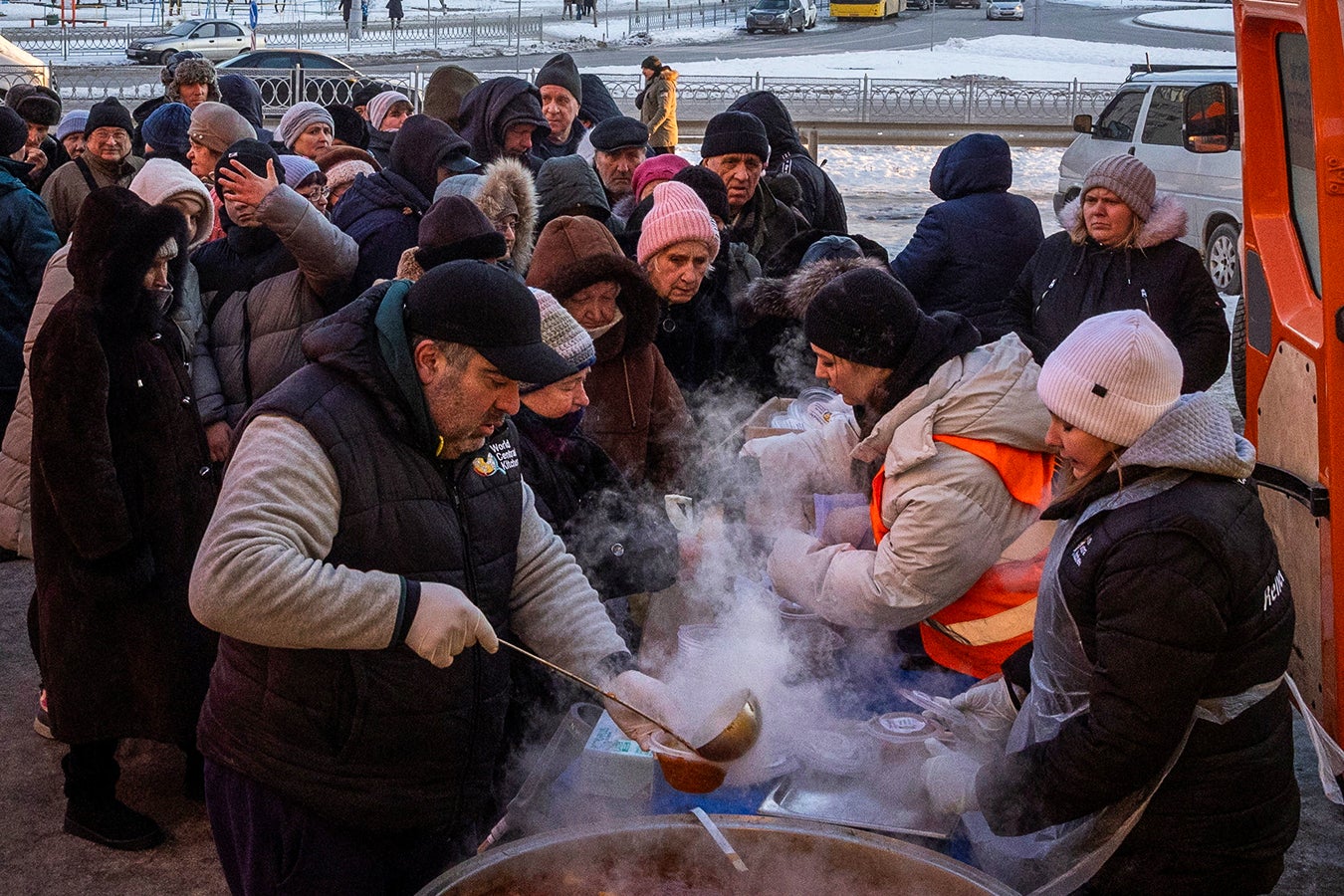
The nature of urgent requests from civilians in these frontline areas has also shifted dramatically. Previously, pleas focused on essential medical supplies. Now, the desperate calls are increasingly for the most basic of kitchen staples: bread, rice, and flour.
Intertwined Crises: Energy and Food Security
The energy and food crises in Ukraine are inextricably linked. The ongoing power outages are forcing an already fragile economy into further shutdown. Food, already scarce, is becoming even more unattainable as household incomes are stretched thin, and for many, have dwindled to almost nothing. Grocery prices have seen another surge, a direct consequence of a winter that has left hundreds of thousands of families without light or heating. The reprieve from the freezing weather appears distant, with temperatures continuing to drop well below zero across the war-ravaged nation.
In response to the escalating crisis, the World Central Kitchen has expanded its emergency meal distribution efforts. They have already provided 130,000 hot meals to individuals affected by the persistent power outages.
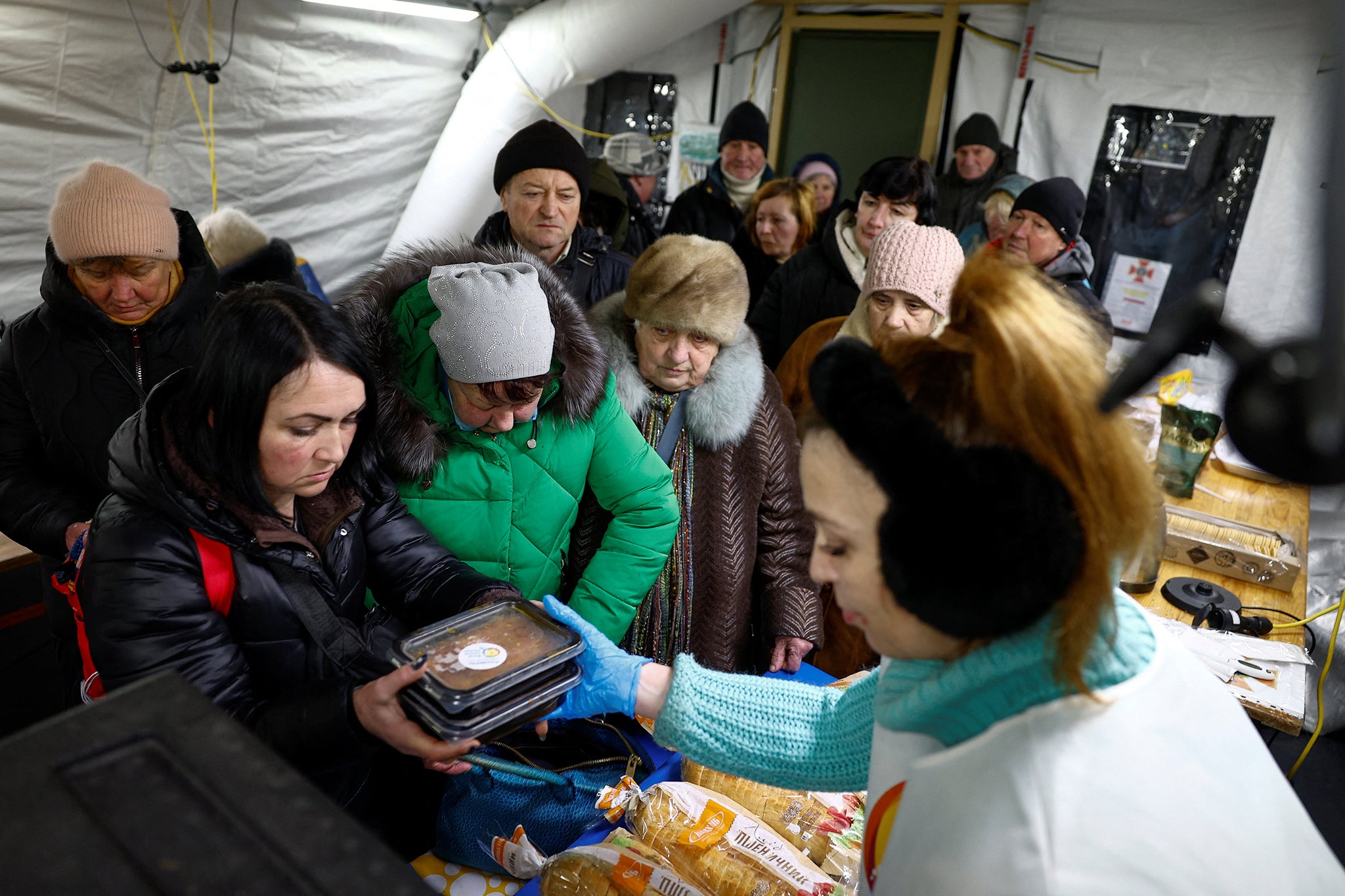
José Andrés, the founder of World Central Kitchen, poignantly describes the experience: “Believe me, you haven’t felt cold like the winter in Ukraine. So you haven’t felt the warmth of a spoonful of bohrach stew.”
For Tetiana, a lasting peace is the only pathway to securing regular, warm meals for her children. While she expresses gratitude for the assistance provided by aid workers, including the Ukrainian NGO Rozvitok Mista, she acknowledges its limitations. “Unfortunately, this is not enough for a normal life and nutrition,” she admits.
Stumbling Blocks to Peace and Aid Delivery
The Kremlin has indicated an expectation for a third round of trilateral peace talks to take place “soon,” though a concrete date remains elusive. Territorial disputes continue to be the primary obstacle, despite assurances from all parties that the previous meetings were constructive.
Tetiana’s story is echoed by many Ukrainians who have exhausted their savings to flee frontline areas, leaving them heavily reliant on humanitarian aid. Solomia Petrenko of the Ukrainian NGO Hope for Ukraine highlights the immense difficulties faced in delivering assistance. “The assistance is often not enough,” she explains. “The enemy deliberately targets logistics and infrastructure, making aid delivery extremely difficult, especially in frontline and near-frontline areas. In many cases, logistics collapse before active fighting reaches an area, forcing people to flee urgently because access to food and essential supplies disappears first.”
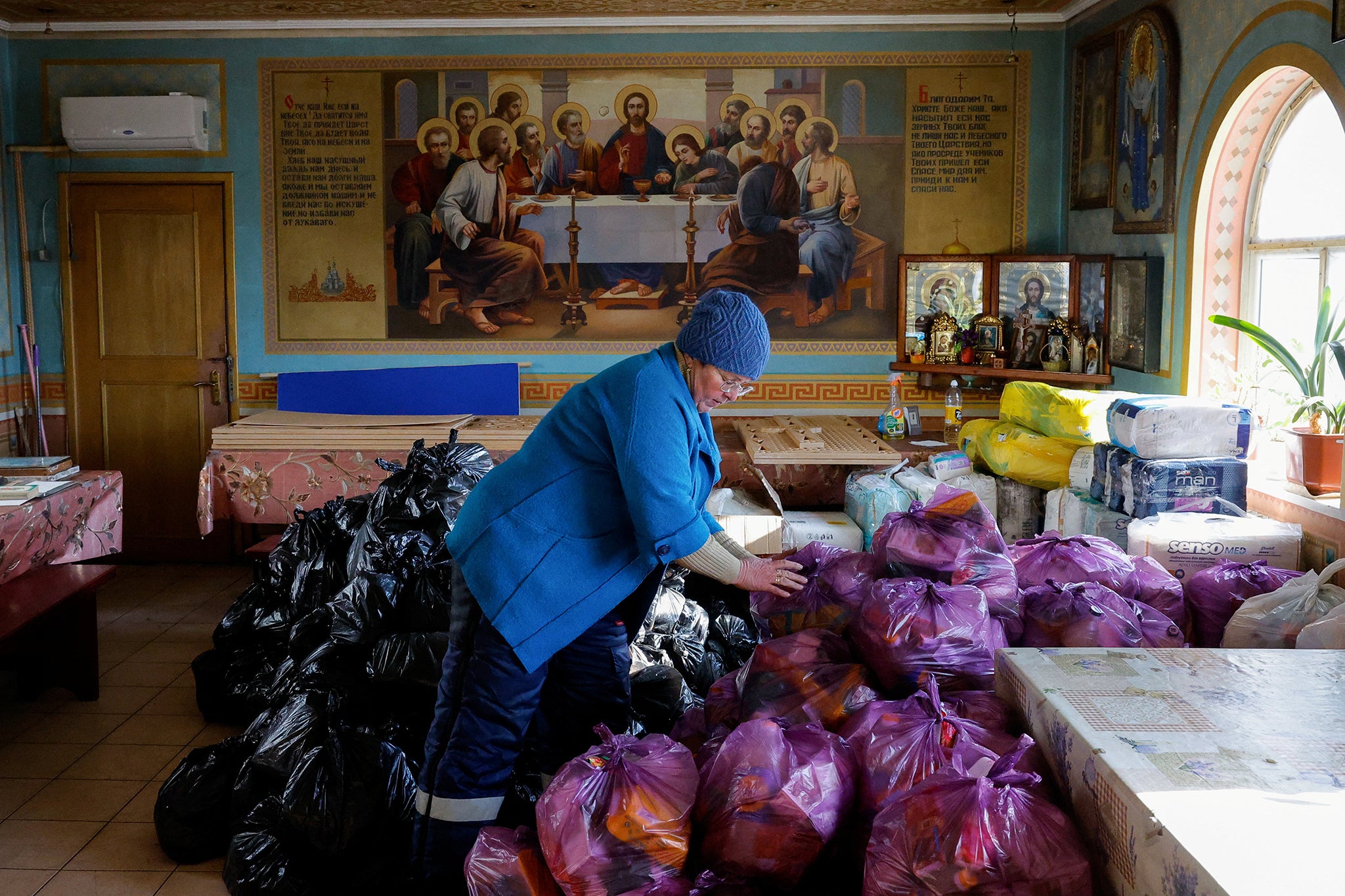
The Plight of Displaced Families
Valia Zontova, who has been displaced twice within Ukraine, now resides in Kryvyi Rih with her family, including two young children, one of whom is just under two years old. “We do not buy anything unnecessary,” she states, underscoring the challenge of providing a balanced diet for her young children. “We feel fear, disappointment. We want a better childhood for our children, but we are afraid for them. These are difficult times.”
The narrative of hardship is tragically common for countless families enduring heavy shelling. Last week witnessed one of the most intense attacks of the year thus far, with Russia launching a barrage of 450 drones and 71 missiles targeting various locations across Ukraine overnight. Ukraine’s President Volodymyr Zelensky noted that this attack involved the largest number of ballistic missiles deployed by Russia since the commencement of the war.
Shram Alla, 38, shares his family’s struggle: “We are already depressed after being forced to move from our home, due to constant shelling and the threat to our lives.” He adds that his family lacks sufficient funds to meet their nutritional needs. “Almost all the money goes to paying for rent and utilities. We often have problems with meat and dairy products, oil, fruits and sweets for children. It’s seriously affecting our emotional state.”
As Ukraine approaches the fourth anniversary of the invasion, the future remains uncertain. Vladimir Sidorishin, 62, voices a simple yet profound desire: to “grow old peacefully.” He explains, “We have to save on food, since most of the money goes to paying for an apartment and medicine. We buy meat once a week, we wear the clothes we had before the war. We buy only when necessary.”