UFC Stars Face Financial Disparity Amidst Boxing Bonanza
The combat sports world is abuzz with talk of astronomical boxing purses, casting a stark shadow over the financial realities faced by many within the Ultimate Fighting Championship (UFC). Recent reports suggest that boxer Conor Benn has secured a staggering sum, reportedly in the vicinity of $15 million, for a single co-main event bout. This eye-watering figure, which UFC President Dana White has neither confirmed nor denied, has sent ripples of discontent through the MMA community, particularly when contrasted with the compensation received by the UFC’s own elite talent.
This alleged mega-deal for Benn, a prominent but not yet globally transcendent boxing figure, for a fight against a former champion Regis Prograis who is competing outside his natural weight class, highlights a stark disparity. Such contract terms are virtually unheard of within the UFC, even for its most decorated and beloved champions.
The issue of fighter pay has long been a contentious point, notably amplified by boxer Jake Paul’s public criticisms of White. However, the perceived undervaluation of UFC athletes by their own president appears to have reached a new level of poignancy, prompting outspoken reactions from several top-tier fighters.
Michael “Venom” Page, a British welterweight, expressed his dismay to Sky Sports, stating, “When you see somebody get paid that amount of money from the same person that’s not paying you on this side, it’s just disheartening.” Similar sentiments of disbelief have been echoed by former bantamweight champion Sean O’Malley and Demetrious Johnson, who endured a notoriously underpaid reign as flyweight champion.
Holloway vs. Oliveira: A Super-Fight Overshadowed
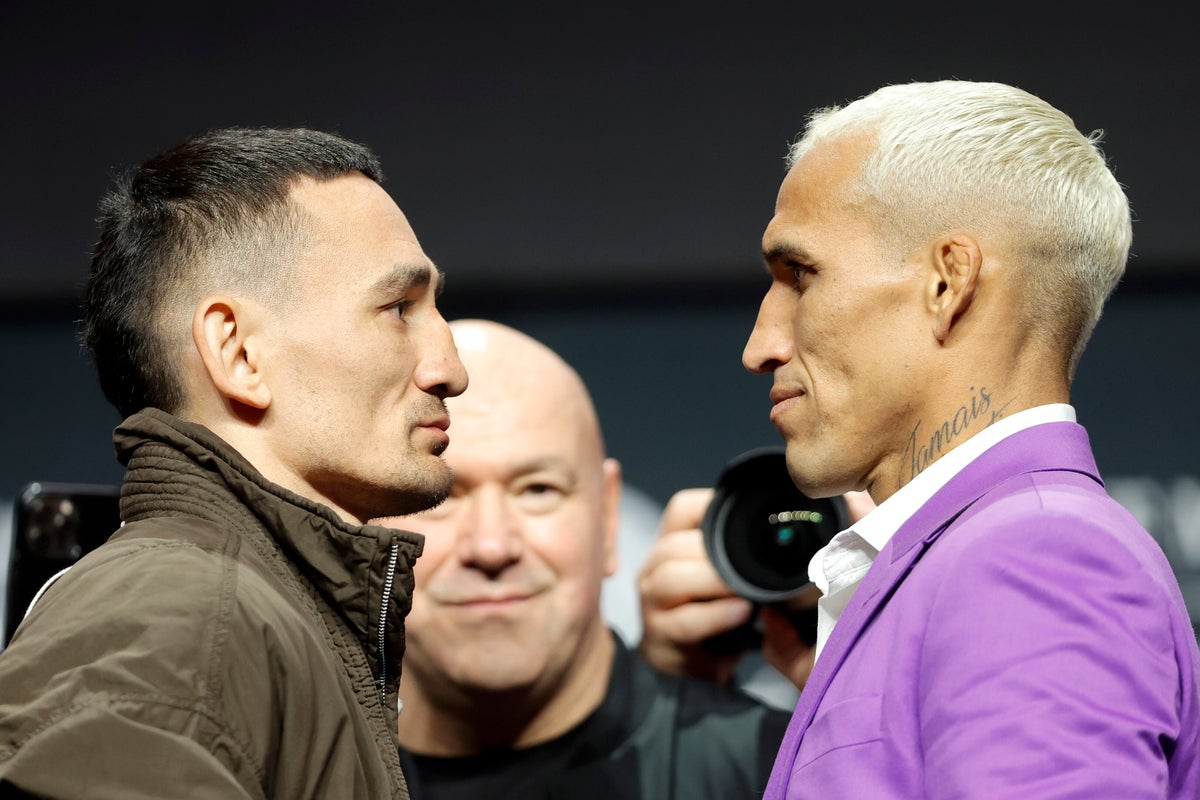
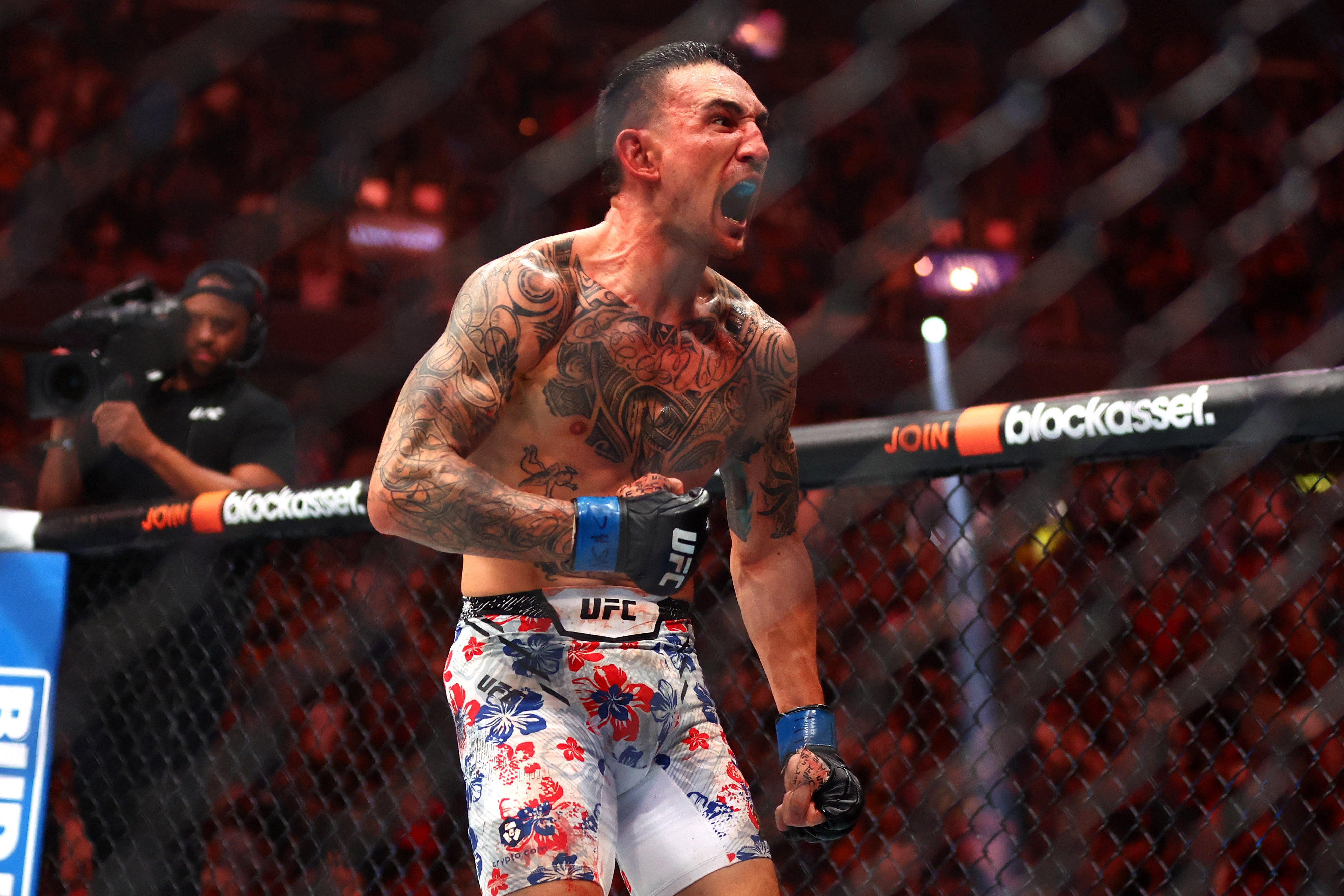
This weekend’s UFC 326 event features a highly anticipated main event clash between two bona fide legends of the sport: Max Holloway and Charles Oliveira. Holloway, a former featherweight champion and the current holder of the “Baddest Motherf***er” title, has captivated audiences for over a decade with his exceptional skill and fan-favourite status. In the realm of boxing, a fighter of his calibre and marketability could command tens of millions per fight. In contrast, his UFC earnings, while substantial, represent a mere fraction of that potential.
Dana White
His opponent, Charles Oliveira, is an electrifying submission artist who enjoyed a memorable and dominant reign as lightweight champion. Despite his limited English, which often poses a barrier to broader mainstream appeal in American markets, Oliveira is universally adored by the global fanbase, a testament to his incredible talent and fighting spirit.
This matchup is a dream bout for combat sports enthusiasts, a genuine super-fight that fans have long clamoured for. Their initial encounter, nearly 11 years ago, ended prematurely due to an injury to Oliveira in the first round, leaving many feeling robbed of witnessing their full potential. Both fighters have since cemented their legacies, proving that their best was indeed yet to come.
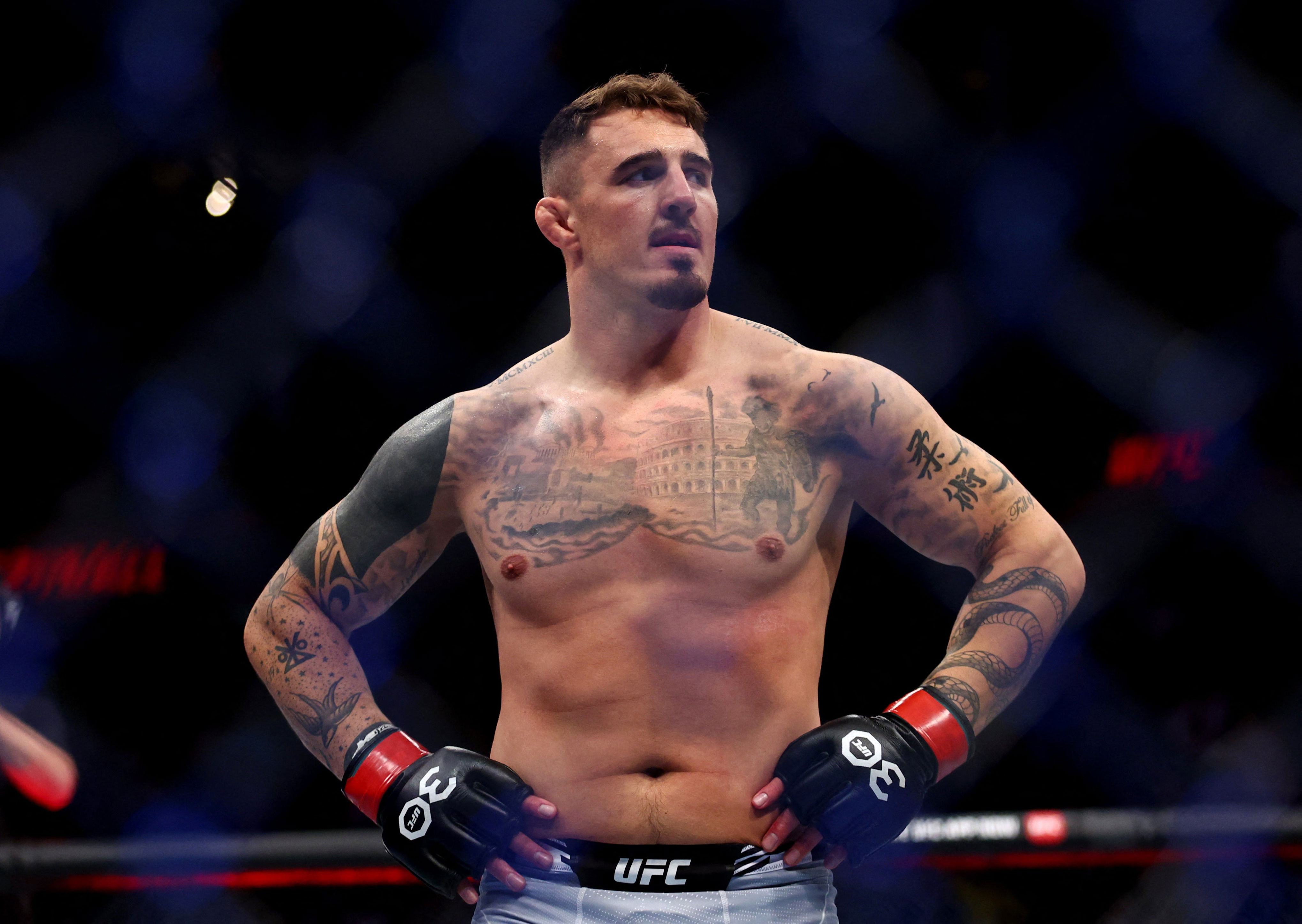
However, the timing of this monumental fight is unavoidably overshadowed by recent developments in the boxing world. It follows closely on the heels of Benn’s reported Zuffa signing and coincides with the unveiling of Tom Aspinall by Matchroom, a move seen as a direct counter-strike by boxing promoter Eddie Hearn.
A History of Service, A Disproportionate Reward
Both Holloway and Oliveira have dedicated years of their careers to the UFC, contributing significantly to the company’s profitability. They were established stars long before the Conor McGregor era propelled the sport into mainstream consciousness, and they were instrumental in the UFC’s growth. In an era where matchmaking can sometimes leave fans uninspired, these two athletes remain rare marquee attractions capable of drawing massive crowds.
As two of the UFC’s most decorated and loyal fighters, often referred to as “Dana White guys,” they arguably deserve greater financial recognition for their unwavering service. While it’s not suggested they are each worth $15 million per fight, their contributions certainly warrant a more substantial share of the profits, a share that appears to have been readily distributed to Benn.
Glimmers of Hope, But a Long Way to Go
It’s worth noting that the UFC’s fighter pay structure has seen some improvements recently, partly due to a new broadcasting deal with Paramount. Fighter bonuses have doubled from $50,000 to $100,000, a positive step acknowledged by TKO (the UFC’s parent company) president Mike Shapiro, who has stated that the company takes “the increase in fighter pay very seriously.”
However, these increases are often described as a “drop in the ocean” when viewed against the backdrop of the massive salaries now being paid out in boxing, particularly when White demonstrates the capacity to offer such figures. While MMA salaries are typically kept confidential, it is widely believed that even the career-high paydays for Holloway and Oliveira are unlikely to have reached even a fifth of what Benn is reportedly guaranteed for his first Zuffa Boxing appearance.
The Path Forward: Collective Action and Knowing Your Worth
Max Holloway himself has spoken out about the need for fighters to unite and recognise their own value if the issue of fair compensation is to be adequately addressed. Speaking on Demetrious Johnson’s YouTube channel, Holloway advised, “The main thing I would say is know your worth, know what it is. It’s going to suck. At the end of the day, hold your ground. You should know what your worth is.”
He also recalled an instance where heavyweight contender Derrick Lewis reportedly undercut a potential $10 million deal for Jon Jones by offering to fight for a tenth of that sum, thereby jeopardising Jones’s negotiation. Holloway lamented, “We cannot be doing that, brother. You needed to almost stand in Jon’s corner.”
The response from fighters needs to be collective. For too long, questions about fighter pay at UFC press conferences have been deflected, and even the most influential stars have been hesitant to challenge the company’s pay structure. This latest perceived financial slight, however, could serve as a catalyst for change.
While the immediate outcome of Saturday’s fight may not directly alter the financial landscape, Holloway and Oliveira have the opportunity to put on a spectacular performance. Having proven their value over many years, they can, in the UFC’s spiritual home of Las Vegas, help to realign the focus back onto the fighters and starkly illustrate the skewed financial priorities at play, right under the nose of UFC leadership.