AI Copyright Reforms Delayed Amidst Creative Industry Backlash
The UK government is reportedly set to postpone controversial reforms to artificial intelligence (AI) copyright laws, a move stemming from significant opposition raised by the nation’s vibrant creative industries. New legislation concerning the use of copyrighted material by AI companies, originally slated for inclusion in May’s King’s Speech, is now unlikely to materialise this year, pushing any decision-making into the next.
The government’s response to a consultation on how to regulate AI companies’ access to copyrighted material was due for publication by March 18. While this publication is understood to still be proceeding, reports suggest that respondents to the consultation largely rejected the government’s proposed models for AI utilisation of copyrighted works. In light of this feedback, ministers have opted to revisit the drawing board, dedicating more time to consulting on alternative approaches, according to insights shared with the Financial Times.
“Copyright is going to be kicked down the road,” a source familiar with the government’s plans revealed to the newspaper.
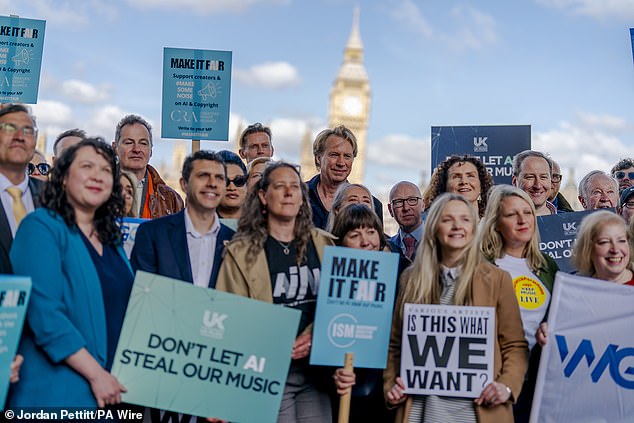
This delay comes as various sectors of the creative world champion the need for fair compensation and respect for intellectual property rights. Campaigns are actively being run to ensure authors, publishers, and musicians are adequately remunerated for their work.
Protecting Creative Works in the Age of AI
Under current copyright law, artists automatically receive protection for their creations. This means that technology firms utilising such works to train AI models should, in principle, be compensating the original creators. However, a concerning trend has emerged where US-based tech giants are leveraging vast amounts of online material – encompassing text, images, and music – to develop their AI systems without acknowledging or compensating the individuals and entities who produced this content.
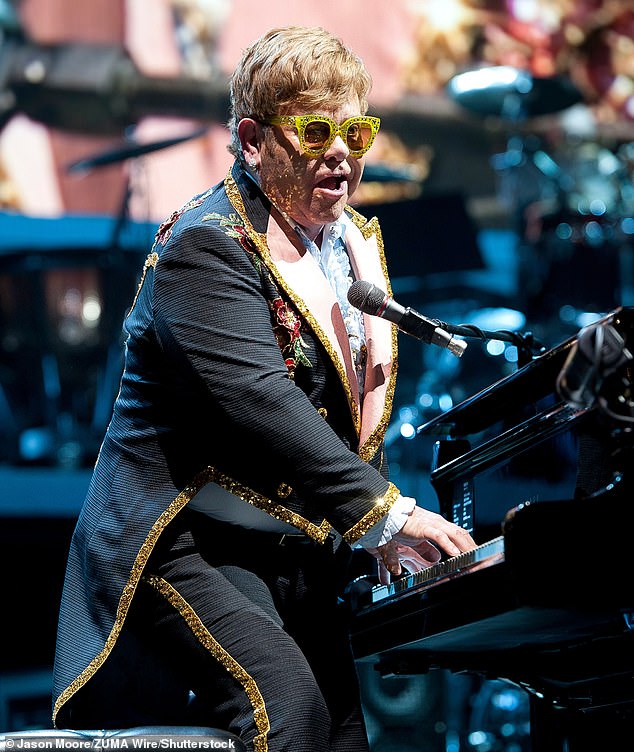
Prominent figures from the music industry, including Sir Elton John, Sir Paul McCartney, and Kate Bush, have voiced their criticism of these proposed changes. Their concerns are echoed by actors and publishers who are equally apprehensive about the potential ramifications. The core of the dispute lies in the desire of tech giants to secure an exception to copyright law, enabling their AI models to learn from creative works without the obligation to pay or credit the copyright holders. This proposition is viewed as potentially devastating for the livelihoods and sustainability of the UK’s creative industries.
Parliamentary Warnings and Industry Calls for Clarity
The urgency of the situation has been underscored by a recent report from the House of Lords Communications and Digital Committee. The committee issued a stark warning, labelling it a “poor bet” for the government to implement changes to copyright that could undermine the UK’s creative sector.
Baroness Keeley, Chair of the Committee, articulated the significant peril faced by Britain’s creative industries, stating they “face a clear and present danger from uncredited and unremunerated use of copyrighted material to train AI models.” She strongly advised the government against pursuing a new text and data mining exception that includes an opt-out mechanism for training commercial AI models. Instead, she urged a focus on bolstering protections for creators within the UK.
The prolonged period of uncertainty, described as “government-generated uncertainty,” has been capitalised upon by AI firms, according to Owen Meredith, chief executive of the News Media Association. He informed the Financial Times that this ambiguity has negatively impacted the licensing market for UK content. Meredith emphasised that a straightforward action could unlock significant growth in the UK’s intellectual property landscape: a public commitment from the government to rule out changes to copyright law, thereby allowing the market to expand rapidly.
A government spokesperson commented on the situation, stating: “The Government wants a copyright regime that values and protects human creativity, can be trusted, and unlocks innovation. We welcome the Committee’s contributions, and we will continue to engage closely with Parliament going forwards.”