Aussie Dad’s Fight for Life: Access to Lifesaving Drug Hangs in the Balance
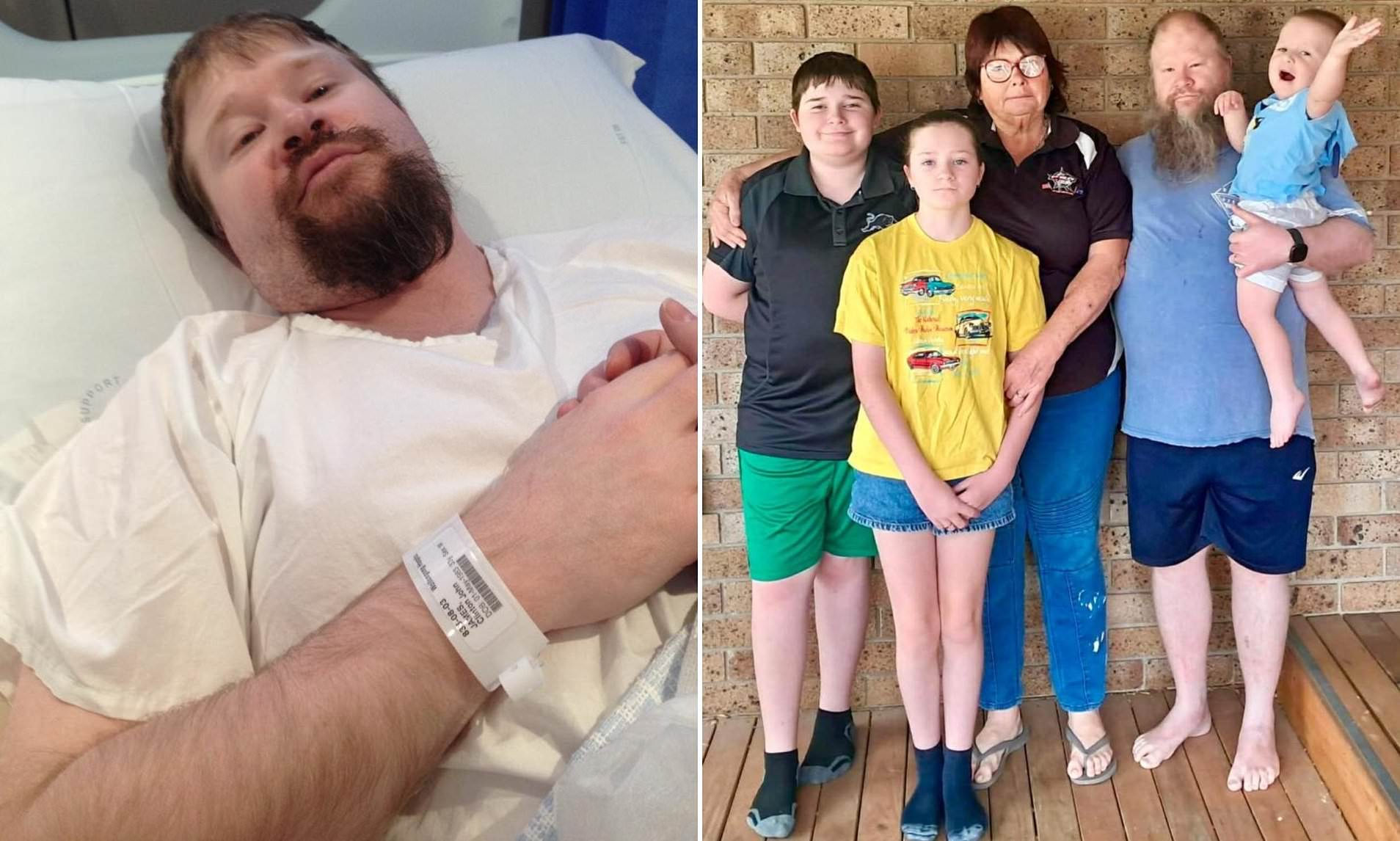
A father of three from the NSW South Coast is facing a grim prognosis after losing access to a crucial, life-saving medication. Clinton James, a 42-year-old diagnosed with a rare and aggressive form of medullary thyroid cancer (MTC) in 2016, has been told he will soon have to pay an eye-watering $8,000 a month for the drug that has kept his condition at bay.
MTC is a particularly challenging cancer that does not respond well to conventional treatments like chemotherapy or radiation. Despite undergoing numerous surgeries, Mr. James’s cancer has continued to spread throughout his body. For nearly two years, his life has been significantly improved by Retevmo (selpercatinib), a targeted therapy that zeroes in on specific genetic mutations driving the cancer. The drug has been remarkably effective, halting the growth of existing tumours and preventing new ones from forming, thereby dramatically enhancing his quality of life.
Initially, Mr. James’s access to Retevmo was facilitated through a compassionate access program run by the pharmaceutical company Eli Lilly. This was in anticipation of the drug being listed on Australia’s Pharmaceutical Benefits Scheme (PBS) for MTC patients by March 2025, a timeline initially indicated by the Albanese government. However, this crucial support has now been abruptly withdrawn, leaving Mr. James with an untenable financial burden. He reports that other MTC patients have been quoted even higher prices, up to $16,000 per month.

A Desperate Plea for Affordable Access
The stark contrast between the cost for MTC patients and that for lung cancer patients, who can access the same drug for a mere $25 under the PBS, is a source of immense frustration for Mr. James. “We don’t even earn $8,000 a month,” he stated, highlighting the financial impossibility of affording the treatment. He has been forced to ration his remaining medication, a decision made against his doctors’ explicit advice.
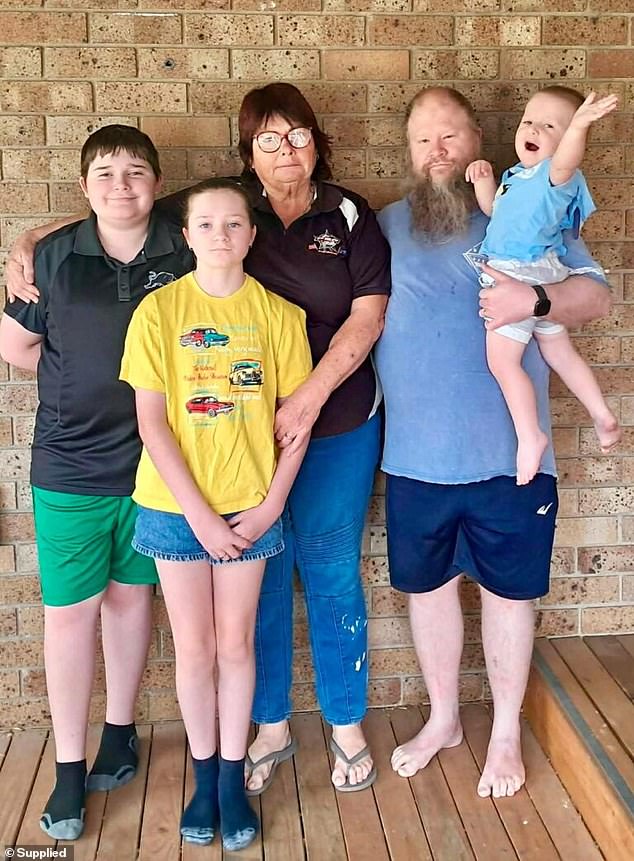
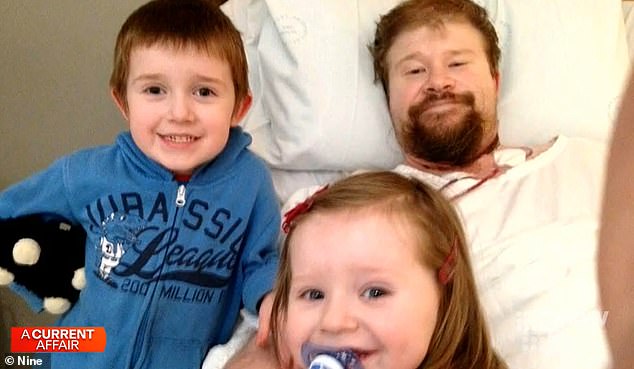
“Every month is important when you’re not taking daily medication,” Mr. James explained. “I’m not asking for a free ride. All I want is a fair go. Without this drug, I won’t survive.” The implications of ceasing treatment are dire. Mr. James faces the heartbreaking prospect of not witnessing his children – Chris, 14, Shayla, 11, and Thomas, 2 – grow into adulthood. “The prognosis is dire,” he admitted. “The success it has had in halting the cancer will be for nothing. Doctors have told me that the cancer will come back aggressively and spread. It’s not a cancer of choice or the result of bad lifestyle decisions.”

A Push for Systemic Change
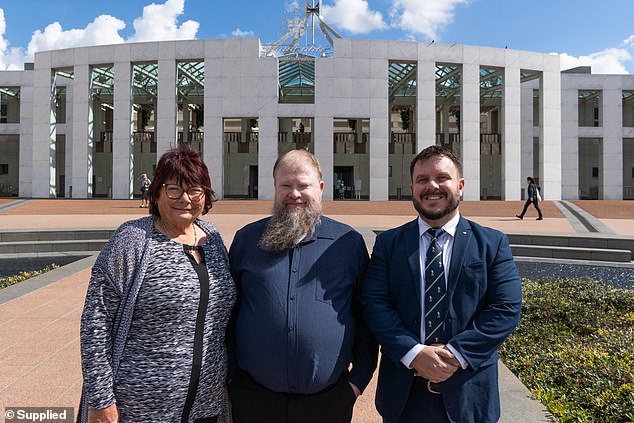
In a last-ditch effort to secure affordable access to the drug, Mr. James, accompanied by his mother Debra Gibson, travelled to Canberra to meet with key political figures. They held discussions with Coalition health spokesperson Anne Ruston and representatives from Minister Mark Butler’s office. Mr. James emerged from these meetings feeling optimistic, believing their case was taken seriously. “We presented a very strong case and felt that we were taken seriously,” he reported. His advocacy extends beyond his personal struggle; he is determined to improve the PBS for all Australians. “I’m doing this not just to benefit myself, I’m doing it to help others and make the PBS better for everyone.”
The independent body, the Pharmaceutical Benefits Advisory Committee, is scheduled to convene next week to review Eli Lilly’s PBS listing application for MTC patients. A positive decision could see the drug listed within months, offering a lifeline to Mr. James and others in similar situations.

A Call to Action for the Health Minister
Mr. James has directly appealed to the Health Minister, urging him to “do the right thing and fix the PBS.” He poignantly stated, “No one should have to explain to a loved one’s family that their early death could have been avoided.” His mother echoed this plea, begging the Health Minister to save her son’s life and ensure that cost does not dictate who lives or dies.
The possibility of relocating overseas for more affordable treatment is a consideration for Mr. James, as Retevmo is already subsidised for MTC in several countries, including the UK for the past five years.
Industry and Political Perspectives
A spokesperson for Eli Lilly expressed their disappointment, calling Mr. James’s situation a “heartbreaking illustration of how broken the PBS is.” They stressed the urgent need for increased government investment in the PBS to ensure Australians can access life-changing medicines. The company pointed to delays in the PBS listing for Retevmo in MTC being attributed to “inconsistent advice and excessive bureaucracy associated with reimbursement of the diagnostic genetic test.”
While the Health Minister could not comment on Mr. James’s specific case, he acknowledged the desire for faster access to medicines. He stated that the government is working through recommendations from the Health Technology Assessment review to expedite access to the best medicines at an affordable cost.
Addressing Systemic Failures
Liberal MP Phillip Thompson, who has been actively lobbying on behalf of Mr. James and other affected patients in his North Queensland electorate, has also called for the government to address what he describes as systemic failures within the PBS. “The PBS is supposed to provide access based on medical need not personal wealth,” he asserted. “Australians with medullary thyroid cancer cannot wait any longer. We are losing Australians because lifesaving medicines are trapped in a bureaucratic maze. The system is undervaluing innovation and patients are paying with their lives.”
Community Support and the Road Ahead
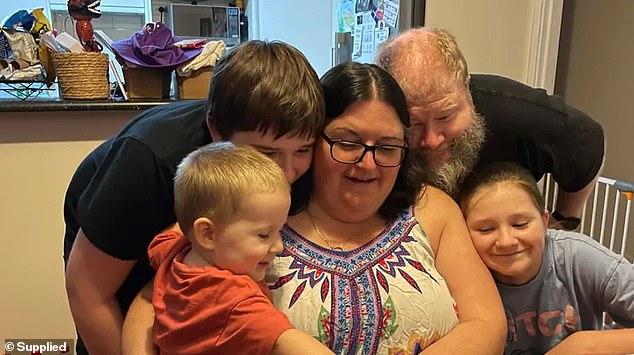
In the interim, a fundraiser has been established to help Mr. James continue his vital treatment. He shared his personal struggle in launching the appeal: “Asking for help like this isn’t easy. I’ve always believed in standing on my own feet. But this is bigger than pride – this is about survival.” He emphasised that every donation, regardless of size, directly contributes to purchasing the medication that sustains him. “Your kindness doesn’t just help pay for medicine – it helps buy time, hope, and the chance for me to keep living. It means my wife keeps her husband, and my children keep their dad.”
Meredith Cummins, CEO of NeuroEndocrine Cancer Australia and President of the International Neuroendocrine Cancer Alliance, highlighted the challenges of treating advanced MTC, which often requires targeted therapies. She confirmed that selpercatinib has shown significant promise for MTC patients, but without PBS listing, the prohibitive cost places it beyond the reach of many, creating a substantial financial burden for families already grappling with cancer. “Where treatments have demonstrated clear benefit, patients should have the opportunity to access them so they can live the best life possible and have hope for a longer, better life,” she concluded.