A growing number of retirees are embracing a “golden gap year,” choosing to explore the world after concluding their working lives. This trend, often fuelled by a desire for new experiences and a break from the everyday, is reshaping how many envision their later years.
Research from Nest pension schemes indicates a significant portion of the workforce anticipates extensive travel or prolonged holidays in retirement. Similarly, insights from Legal & General, surveying individuals aged 55 and over, reveal a strong inclination towards travelling, with a majority either planning or having already embarked on trips with their partners.
The motivations behind this wanderlust are diverse. For many, it’s about finally achieving a much-needed period of relaxation and a departure from the established routines of professional life. Others are driven by a profound desire to accumulate meaningful experiences and forge lasting memories, seeking a richer, more fulfilling chapter beyond their careers.
This phenomenon is increasingly visible on social media platforms, where retirees are sharing their adventures. Take, for example, former British teachers Jackie and Richard Pickles. Their YouTube channel, “Early Retirement Wanderlust,” chronicles their campervan journeys across the United Kingdom and Europe, offering a glimpse into their nomadic lifestyle.

Another seasoned retirement traveller is Tina, who, after emigrating from England to Canada in her thirties, launched the YouTube channel “This Is Our Retirement” with her late husband, Norm. Their channel documents their global explorations. Tina emphasizes that retirement travel isn’t about ticking off destinations at breakneck speed. Instead, it’s about finally having the luxury of time to truly experience a place, to observe its people, soak in the atmosphere, and appreciate the small moments that define its unique character. She notes that by slowing down, travel transforms into a far more profound and rewarding endeavour.
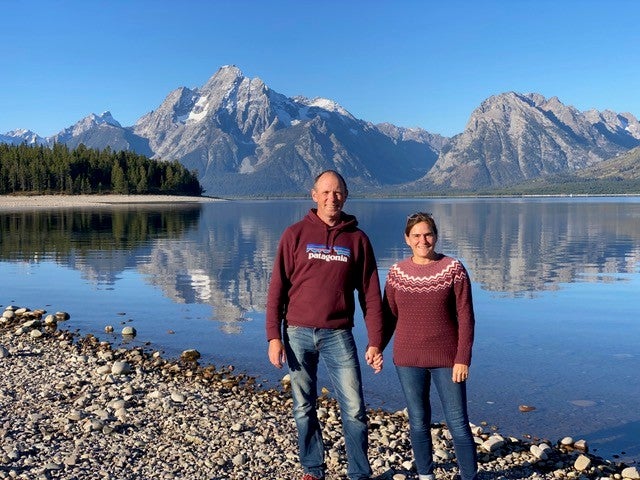
Americans John and Bev Martin exemplify another approach to retirement travel. Six years ago, they sold their home, divested themselves of most possessions, packed their backpacks, and set off to explore the globe. Concurrently, they established the website and social media channels “Retirement Travelers,” which has meticulously charted their journey through an impressive 114 countries and all 50 US states.
Bev, now 63, shares that their extensive travels have been a learning curve, marked by numerous mistakes and hard-won lessons. She highlights several key insights that have made their retirement travel significantly easier and more enjoyable.
Essential Tips for Happy Retirement Travel
Here are some invaluable tips from experienced retirement travellers to help you navigate your own adventures:
1. Don’t Postpone Travel Indefinitely
A common pitfall is assuming there will always be a “someday” for travel in retirement. However, health and energy levels can change unexpectedly. Tina advises that if there’s a destination you’ve always dreamed of visiting, it’s wise to start making plans sooner rather than later. Bev reinforces this by stating that a trip doesn’t need to be an epic around-the-world expedition; often, the first step is as simple as booking that flight you’ve been contemplating for years.
2. Leverage AI for Trip Planning
Many seniors may not immediately consider using artificial intelligence to assist with travel planning. Tina suggests that AI tools can be incredibly helpful for finding unique hotels or crafting specific itineraries tailored to individual needs. For instance, you could ask an AI to “plan a 10-day trip to Greece for a senior with difficulty walking for long periods,” and the AI will generate a plan with that specific requirement in mind.
3. Pack Significantly Less Than You Think You Need
A common mistake for new travellers is overpacking for every conceivable scenario. Bev points out that the world is replete with shops, pharmacies, and laundromats. If you forget something, it’s almost always replaceable.
She stresses that travelling light, especially with backpacks, forces a minimalist approach. This simplifies airport navigation, reduces stress at train stations, and makes spontaneous detours far more enjoyable.
Beyond ease of travel, packing light also saves money. The most significant shift for Bev and John was realising that the experiences they were accumulating were infinitely more valuable than the material possessions they had previously owned. Once this perspective clicked, their relationship with "stuff" changed, leading to lighter packs and fuller lives.
4. Avoid Travelling During Peak Times
As former teachers, Jackie and Richard found that travelling outside of traditional peak holiday periods offered significant advantages. They enjoyed quieter campsites, more reasonable prices, fewer crowds (especially children), and more pleasant weather, avoiding the extreme heat of the high season.
5. Embrace a Slower Pace
One of the greatest advantages of travelling later in life is the freedom to adopt a different pace. Tina reflects that when she and Norm were younger, travel often felt like a race to complete a checklist of sights.
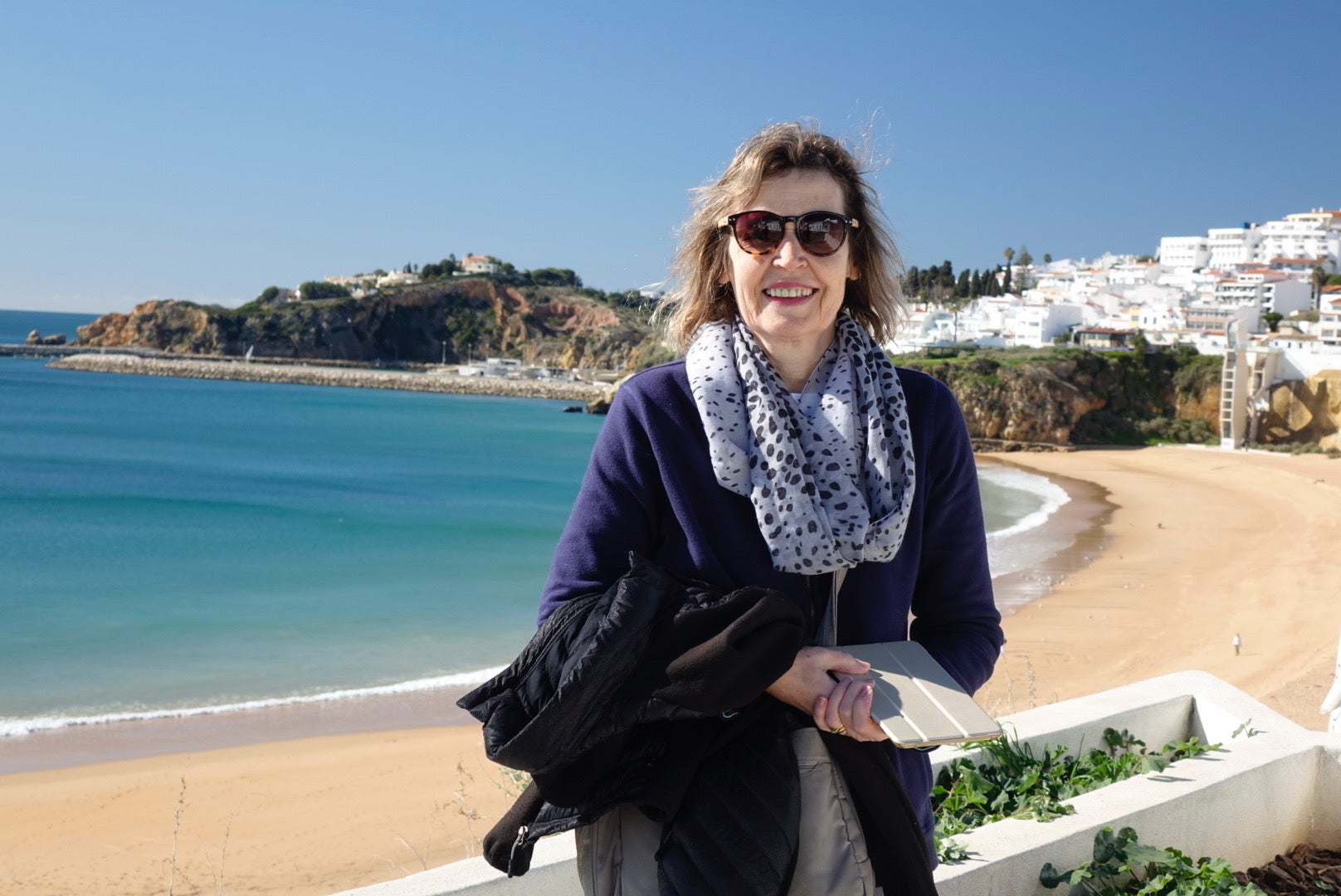
In retirement, she explains, staying longer in one location allows for a deeper immersion. Walking through neighbourhoods, visiting local cafés, and engaging with residents can lead to far richer and more authentic experiences. Jackie echoes this sentiment, noting their initial tendency to move on every few days. Now, they prioritise longer stays to fully immerse themselves in the community and culture, enjoying their road trips without the pressure to see everything at once.
6. Prioritise Comfort and Flexibility
As one ages, having more flexible plans and prioritising personal comfort becomes paramount. Tina advises leaving room in your itinerary for rest days and selecting accommodation that is easy to navigate. Retirement travel doesn’t need to be overly ambitious to be rewarding; often, the simplest experiences yield the most cherished memories.
7. Consider a Campervan or Motorhome
The Pickles have found that travelling in a campervan or motorhome significantly reduces costs. Campsite fees are generally affordable, they have all the comforts of home, can self-cater, and enjoy the flexibility of not needing to pre-book accommodation. This allows them to move with the weather and stay longer in places they particularly enjoy, or move on if a location isn’t to their liking.
8. Become a ‘Flex-Pat’
The Martins coined the term “flex-pat” for retirees who wish to experience living in different parts of the world without the complexities of formal expatriate status. Bev suggests renting a small house or apartment for a couple of months to settle in. This allows for engagement with local markets, finding favourite cafés, exploring neighbourhoods on foot, and experiencing the rhythm of daily life.
Flex-pats typically travel on normal tourist visas, staying long enough to gain a genuine feel for a place before moving on to their next adventure.
9. Don’t Worry About Losing Touch with Family
The Pickles initially had concerns about maintaining connections with their family during extended travels. However, Jackie reassures that the world is far more connected now, and regular FaceTime calls ensure they remain in regular contact.
10. Listen to Fellow Travellers
There’s no need to feel like the “oldest” travellers on the scene; the world is full of older travellers, and their advice can be invaluable. The Pickles discovered this during a seven-week backpacking trip in Thailand, where they weren’t the oldest backpackers by any means. They found that listening to fellow travellers is a crucial source of information, often leading to discovering hidden gems and places slightly off the beaten track.