Sony Announces Significant Price Hikes for PlayStation Consoles and Handheld
Sony has revealed that a substantial increase in the price of its PlayStation 5 consoles and the PlayStation Portal handheld will take effect globally starting next month. The company attributes this decision to “continued pressures in the global economic landscape,” a factor that has been impacting various sectors, including the gaming industry.
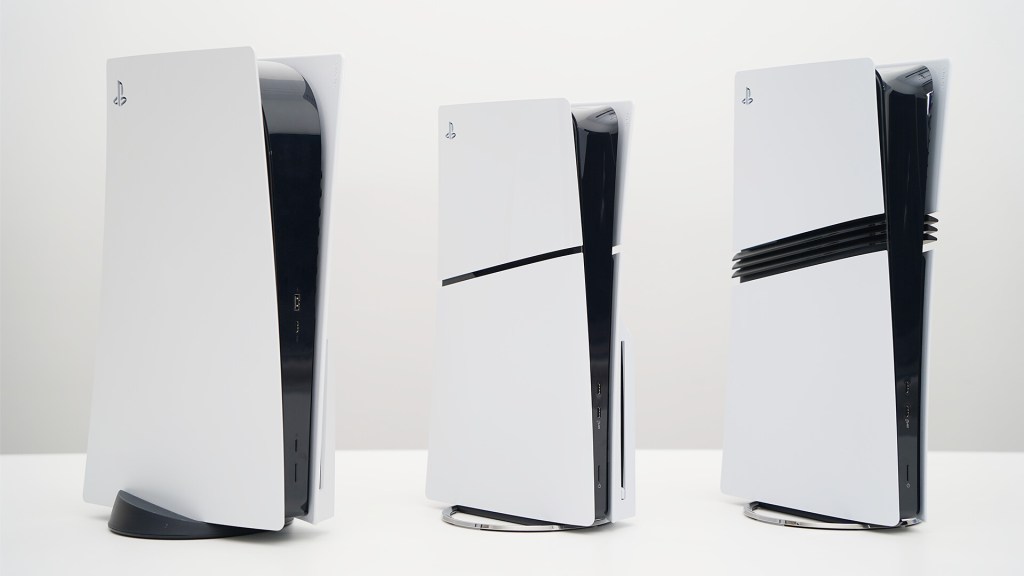
In the United States, the changes will see the standard PlayStation 5 and its digital-only edition become notably more expensive. The PlayStation 5 Pro model is also set for a significant price adjustment, and the PlayStation Portal, a device designed for remote play, will also see its retail price elevated.
These new pricing structures are scheduled to be implemented on April 2, 2026.
Here’s a breakdown of the upcoming price changes in the US:
- PS5 Digital Edition: Will increase to $599.99
- PS5 (Standard Edition): Will increase to $649.99
- PS5 Pro: Will increase to $899.99
- PS Portal: Will increase to $249.99
Sony acknowledged the impact these price adjustments will have on its player community. In a statement, the company explained that after “careful evaluation,” the price increases were deemed a “necessary step” to ensure Sony can continue to “deliver innovative, high-quality gaming experiences to players worldwide.”
This latest announcement follows a previous price adjustment made in September of the previous year, where all PS5 models in the US saw a $50 increase. Furthermore, other international regions have experienced multiple price hikes throughout 2024 and 2025, indicating a broader trend in the cost of gaming hardware.
The cumulative effect of these changes means that the PS5 is now $150 more expensive than its initial launch price in 2020. The PlayStation 5 Pro, which debuted in November 2024 at a premium of $699.99, will also be $200 pricier than its original launch cost.
While Sony has not provided specific details for the exact reasoning behind these particular price hikes, industry observers point towards the escalating costs of memory and storage components. The burgeoning artificial intelligence (AI) sector is a significant driver of this demand, leading to increased prices for these essential hardware elements. This trend is not isolated to PlayStation; other gaming hardware manufacturers have also implemented similar price adjustments. For instance, Microsoft’s Xbox Series X|S consoles have experienced comparable price increases. Even Valve’s ambitious living room PC project, the Steam Machine, faced delays earlier this year, reportedly due to similar cost pressures related to component availability and pricing.
The continued rise in the cost of gaming hardware underscores the complex economic factors at play in the technology sector. Players looking to acquire the latest PlayStation consoles or accessories will need to factor in these increased costs when making their purchasing decisions. The long-term implications of these price adjustments on consumer demand and the overall gaming market remain to be seen. However, Sony’s commitment to delivering high-quality gaming experiences suggests a strategic approach to balancing costs with continued innovation and product development.