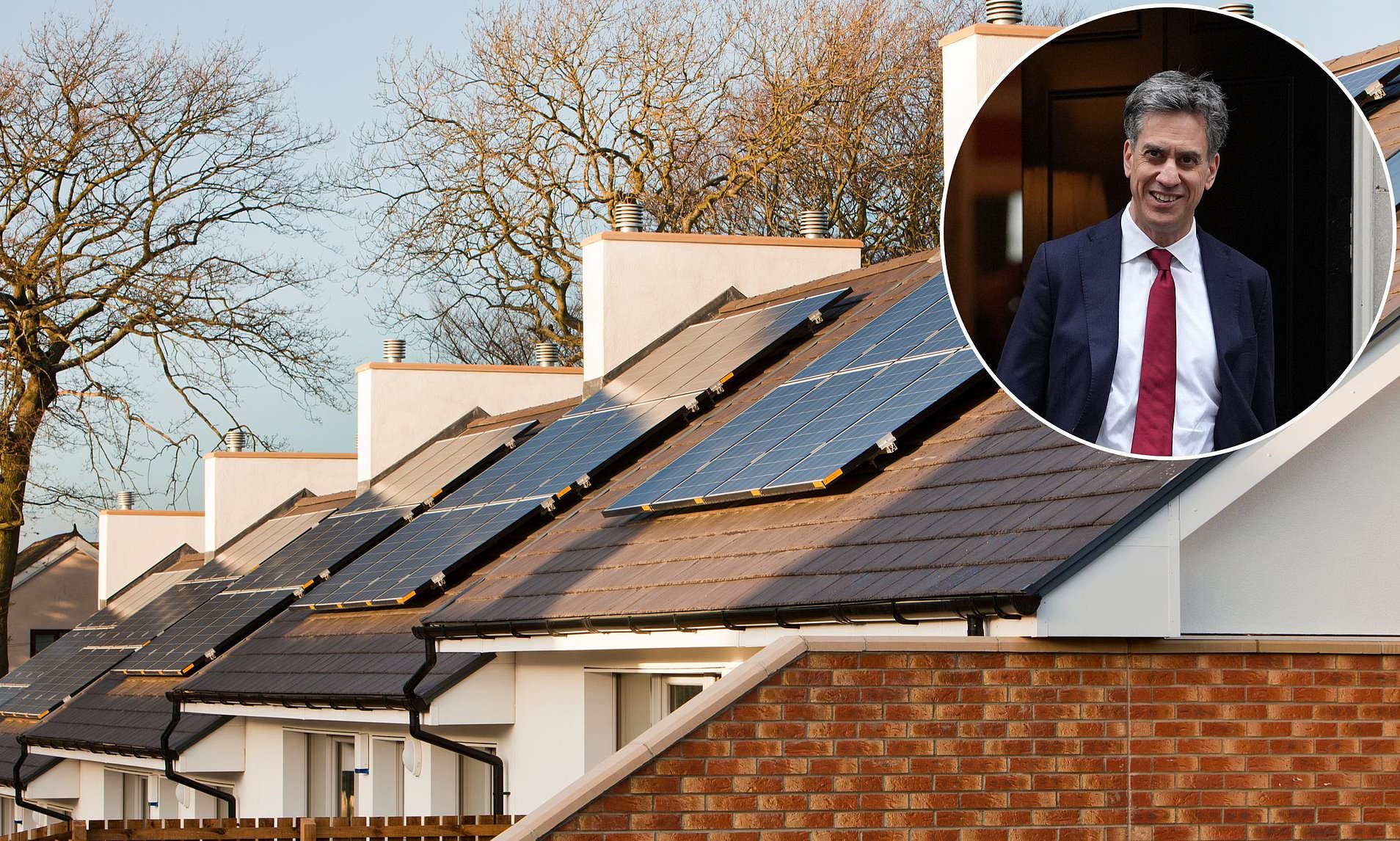
New Homes in England to Feature Green Energy Generation from 2028
In a significant shift towards sustainable living, all newly constructed homes in England will be mandated to generate their own green energy starting from 2028. This ambitious policy, known as the Future Homes Standard, aims to significantly reduce carbon emissions and lower energy bills for residents.
The core of this new regulation means that gas boilers will be phased out in new-build properties. Instead, these homes will be equipped with more environmentally friendly heating solutions, such as heat pumps, and a substantial proportion will also feature solar panels.
Understanding the Key Technologies
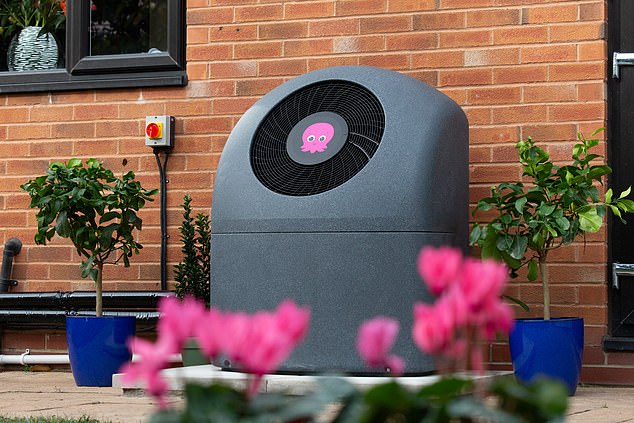
Heat Pumps: These devices offer a modern alternative to traditional gas boilers. They function by harnessing electricity to transfer heat from the ambient air or the ground into the home, providing efficient and sustainable heating and cooling.
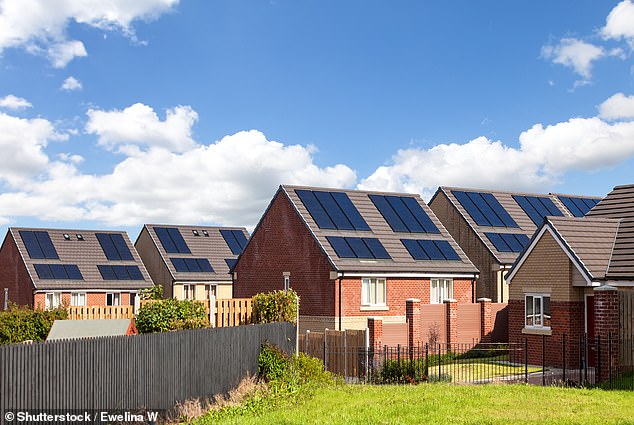
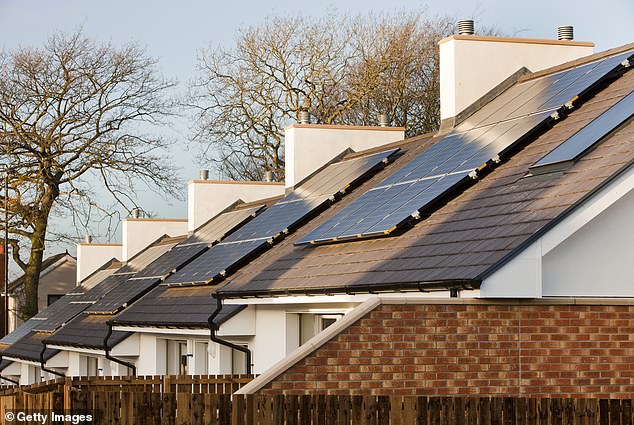
Solar Panels: A key component of the Future Homes Standard, solar panels will be a common sight on the roofs of new homes. The regulation stipulates that solar panels must cover an area equivalent to 40 per cent of the ground floor space of the property, ensuring significant on-site renewable electricity generation.
The government projects that these changes will lead to considerable annual savings for families, with estimates suggesting up to £830 per year on their energy bills. This aligns with broader national objectives to enhance energy security and reduce reliance on volatile fossil fuel markets.
What the Future Homes Standard Entails
The Future Homes Standard represents a substantial upgrade to the energy efficiency requirements for new homes, building upon the last major update in 2013, which focused on insulation, heating, and ventilation.
From 2028, new homes will be required to:
* Eliminate Gas Boilers: All new-build homes will no longer be fitted with gas boilers.
* Implement Sustainable Heating: Homes must be equipped with heat pumps or connected to low-carbon heating networks.
* On-Site Renewable Generation: The majority of new homes will need to incorporate renewable electricity generation capabilities directly on the property. This will primarily be achieved through the installation of solar panels.
Developers have raised concerns that the mandated scale of solar panel coverage could present logistical challenges for certain property types.
Enforcement and Potential Costs
These new energy efficiency requirements will be integrated into the Building Regulations, specifically within the sections governing sustainability and energy efficiency. These are legal standards that housebuilders must adhere to. Failure to comply could result in local councils mandating the demolition of non-compliant properties.
The financial implications for developers are estimated to be around £10,000 per home to meet the new regulations. This cost is likely to be passed on to prospective buyers. While the long-term savings on energy bills are anticipated to offset this initial investment over time, it could take several years to recoup the added expense.
Challenges in Building and Installation
Housing experts have highlighted potential hurdles in the implementation of these new rules. The requirement for extensive solar panel coverage may not be feasible for all types of homes, potentially impacting the pace of new home construction.
Neil Jefferson, chief executive of the Home Builders Federation, indicated that approximately 60 per cent of homes might struggle to meet the mandated solar panel coverage standard. He emphasised the need for individual assessment of each property and cautioned against potential bottlenecks in the building process.
The Financial Impact of Solar Panels and Heat Pumps
For households moving into a new-build home equipped with a heat pump and solar panels, the savings on energy bills could be substantial. The degree of savings will, however, vary depending on the energy efficiency of their previous residence. A move from an older, less insulated property is likely to yield more significant savings compared to moving from a modern, well-insulated home.
The Department for Energy Security and Net Zero estimates annual savings of up to £830 for a typical household compared to a standard home with an Energy Performance Certificate (EPC) rating of C. EPC ratings range from A (most efficient) to G (least efficient), with the average home currently rated D.
According to solar panel installer Sunsave, some customers report monthly savings of around £90 on their energy bills following installation. The actual savings are influenced by factors such as the amount of sunlight a home receives and the times of day it is most exposed.
The integration of a battery storage system can further enhance these savings. Batteries allow homeowners to store solar energy generated during sunny periods for use at night or during cloudy spells. Excess energy can also be exported back to the national grid, providing an additional income stream. Without a battery, unused solar energy generated during the day cannot be stored, meaning households would still need to draw power from the grid at night, thereby limiting overall savings.
Nigel Banks, zero bills director at Octopus Energy, commented that integrating heat pumps and solar panels into new homes from the outset is a logical step for reducing bills. He suggested that with the addition of a battery, some homes could potentially achieve zero energy costs. However, the upfront cost of a battery system needs to be considered. A standard solar system typically costs between £5,000 and £8,000, with the addition of a battery increasing this to between £8,000 and £14,000.
Current Solar Panel Adoption and Future Trends
As of 2025, it is estimated that around 1.5 million households in the UK have solar panels installed. Recent trends suggest a growing interest from homeowners, potentially influenced by geopolitical events impacting energy markets. Octopus Energy reported a 27 per cent increase in solar installation enquiries following the commencement of the conflict in the Middle East.
Despite these advancements, a significant portion of the population remains unaffected by the new regulations, as they do not reside in new-build homes. Ben Graves, co-founder of Sunsave, pointed out that millions of UK households possess rooftops suitable for generating electricity, but the upfront cost of a typical solar system, around £10,000, remains a barrier for many.
Exceptions to the Rule
Certain types of properties will be exempt from the new Future Homes Standard requirements due to practical and logistical constraints.
- High-Rise Buildings: Due to the complexities of installation and the dispersed nature of energy consumption, high-rise buildings will not be subject to the solar panel mandate. The energy generated by rooftop panels on an apartment block may not be sufficient to power all individual flats.
- Space Limitations: Flat owners may face challenges installing certain types of heat pumps, such as air source heat pumps, due to limited space. However, balcony-mounted versions are becoming available, and some apartment blocks are opting for communal ground source heat pump systems.
- Design and Size Constraints: Properties where the building’s size or design prevents solar panels from covering the mandated 40 per cent of the floor space will also be exempt.
The Rise of Plug-In Solar Panels
In conjunction with the Future Homes Standard, the government is also facilitating easier access to plug-in solar panels. These are smaller, more accessible solar units designed for balconies or other outdoor spaces, and are expected to be available through major retailers like Lidl and on online platforms such as Amazon.
These plug-in systems, already popular in countries like Germany where nearly half a million are installed annually, have faced regulatory hurdles in the UK due to electrical safety standards. Electrical Safety First has noted that current regulations do not permit the way these systems supply power to household circuits. The government plans to introduce new safety standards to enable their wider adoption.
Luke Osborne, technical director at Electrical Safety First, welcomed the move but cautioned about the potential for substandard products entering the market. He urged for better regulation of online marketplaces to prevent the sale of unsafe electrical goods.