Zimbabwean businesses are feeling the pinch, with a staggering 56.1% of local firms reporting significant disruptions directly attributed to the escalating tensions between Iran, Israel, and the USA. The Confederation of Zimbabwe Industries (CZI) has released findings from a recent online survey, painting a clear picture of how global geopolitical instability can ripple through even distant economies. The report, titled “Tracking Iran-Israel-USA Conflict Firm-Level Impact in Zimbabwe,” underscores the widespread economic ramifications, leaving virtually no sector untouched.
The survey, which polled a significant number of Zimbabwean businesses, revealed that a mere 1% of respondents claimed to be entirely unaffected by the conflict. This means a colossal 99% of companies are experiencing some level of impact, ranging from minor inconveniences to severe operational hurdles. Delving deeper into the figures, the CZI report indicates that approximately 60% of businesses are facing a significant impact, while 31% are dealing with moderate disruptions. A further 8% of firms reported a slight impact, demonstrating the pervasive nature of this global event on the local economic landscape.
The Ripple Effect: Fuel Costs and Trade Route Uncertainty
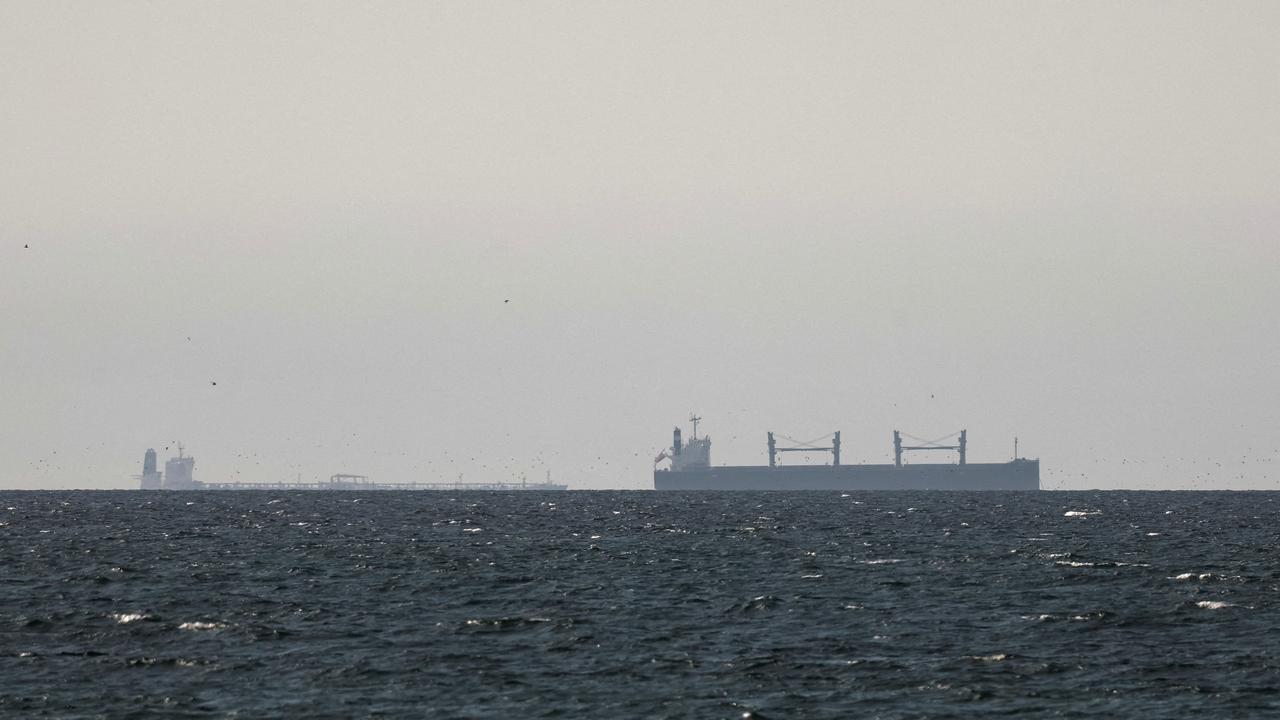
The primary drivers of these widespread disruptions, as identified by the CZI, are twofold: heightened uncertainty surrounding crucial international trade routes and a subsequent surge in fuel costs. The ongoing conflict has created a climate of apprehension, making businesses hesitant about the reliability and safety of existing supply chains. This, in turn, has led to increased shipping insurance premiums and a general reluctance from logistics providers to operate on potentially volatile routes.
The knock-on effect of this trade route uncertainty is a dramatic increase in the cost of fuel. As global oil markets react to geopolitical instability, prices at the pump inevitably climb. For a country like Zimbabwe, heavily reliant on imported fuel and with a significant portion of its economy dependent on the transportation of goods, this surge in energy prices translates directly into higher operating costs for almost every business. From manufacturers to retailers, the increased expenditure on fuel eats into profit margins and can ultimately lead to higher prices for consumers.
A Stark Reminder of Global Interconnectedness
The CZI’s findings serve as a potent reminder of how interconnected the global economy truly is. Geopolitical shocks, even those occurring thousands of kilometres away, can rapidly filter into Zimbabwe’s economic fabric. This phenomenon is particularly evident when global shipping routes come under strain, as they have in recent times. Disruptions to major maritime arteries or airspace closures can cause significant delays and price hikes, impacting the cost and availability of raw materials, intermediate goods, and finished products alike.
The report highlights that the speed at which these global events translate into local economic challenges is concerning. Businesses in Zimbabwe find themselves at the mercy of international developments, often with little recourse to mitigate the impact. This reliance on external factors underscores the vulnerability of developing economies to global crises.
Sectoral Impacts and Future Concerns
While the CZI report indicates a broad impact across the economy, specific sectors are likely experiencing varying degrees of severity. Industries that are heavily import-dependent, such as manufacturing and agriculture, are particularly susceptible to disruptions in global supply chains and rising transport costs. Furthermore, sectors that rely on exports will also face challenges if international demand is affected by the global economic slowdown that often accompanies geopolitical conflict.
The findings also raise concerns about the long-term implications for Zimbabwe’s economic recovery and growth. If these disruptions persist, they could stifle investment, deter foreign direct investment, and exacerbate existing economic challenges. Businesses may be forced to scale back operations, reduce employment, or even cease trading altogether if the cost of doing business becomes unsustainable.
The CZI’s survey provides valuable data for policymakers and business leaders in Zimbabwe. It underscores the urgent need for strategies to enhance economic resilience, diversify supply chains where possible, and explore measures to cushion businesses from the volatility of global markets. Understanding these impacts is the first step towards navigating the complexities of an increasingly unpredictable world economy.