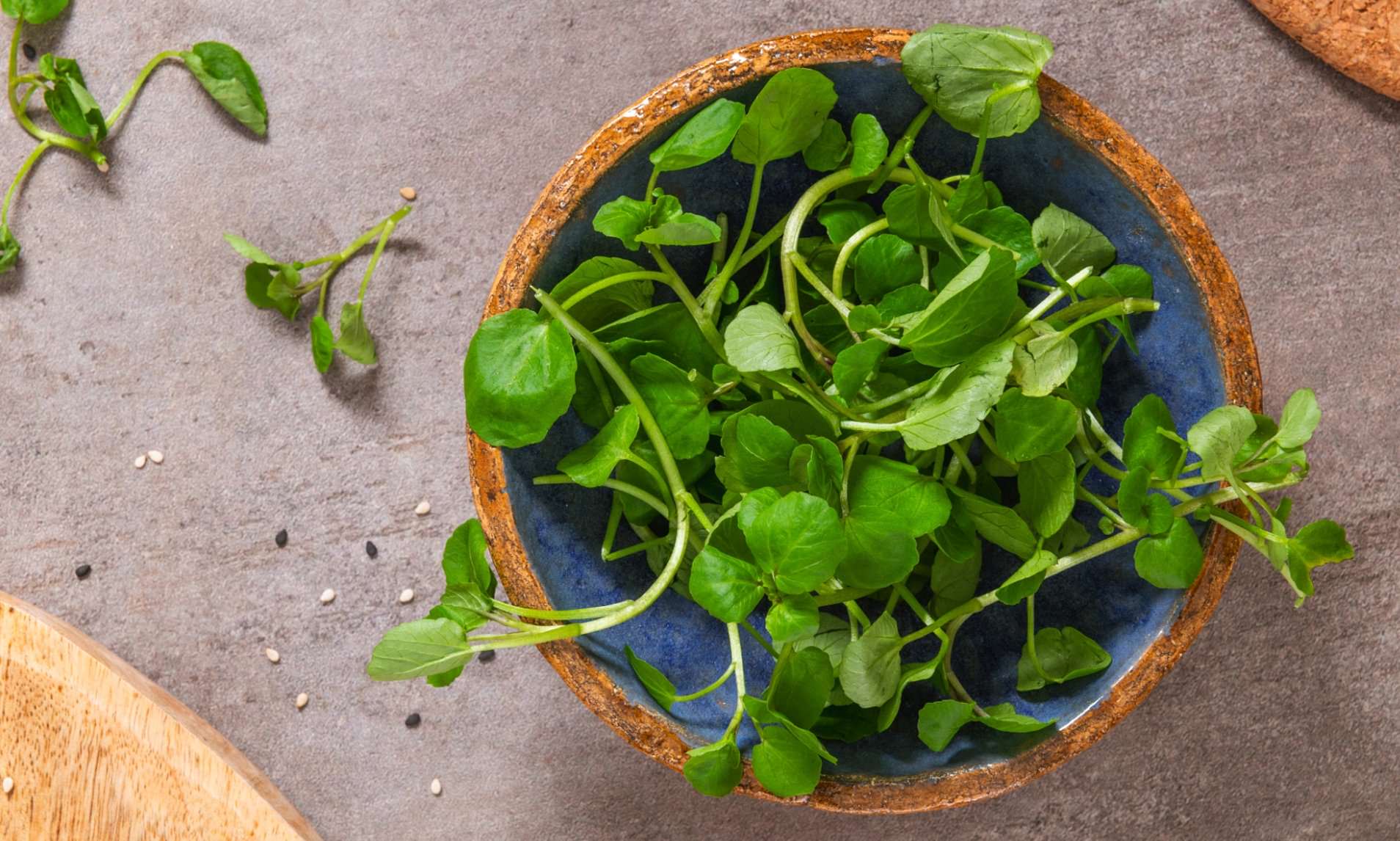
The Surprising Power of Watercress
When it comes to thinking about the healthiest vegetable, many people might not immediately think of watercress. Often overlooked as just a simple salad green, watercress is actually part of the brassica family, which includes broccoli, cabbage, kale, and mustard. Despite its delicate appearance, this peppery leafy green is packed with nutrients that make it a powerhouse when it comes to health benefits.
Watercress has earned the title of “the world’s healthiest vegetable” after receiving a perfect score on the Centers for Disease Control and Prevention (CDC)’s list of 41 ‘powerhouse’ fruits and vegetables. This recognition highlights its impressive nutritional profile, which includes vitamins A, C, and K, along with folate and calcium. Like other members of the brassica family, watercress also contains plant compounds that have antioxidant and anti-inflammatory properties.
Why Watercress Is So Good for You
Watercress stands out for being one of the most nutrient-dense vegetables you can eat. It’s rich in vitamin K, vitamin C, vitamin A (in the form of beta-carotene), folate, and small amounts of calcium, potassium, and iron. Additionally, it contains a natural compound called glucosinolates, which release an enzyme called myrosinase when the plant is chopped, crushed, or chewed. This enzyme helps convert glucosinolates into biologically active compounds, such as sulforaphane, which is known for its potent antioxidant and anti-inflammatory effects.
Watercress is low in calories, with only 10-15 kcal per 100g, and contains no fat. A typical serving size is around 40-80g, often used in salads or sandwiches. While it does contain some fiber, its high water content means it doesn’t provide as much fiber as whole grains or legumes.
Antioxidant Benefits of Watercress
Watercress is a great source of antioxidants, including beta-carotene, vitamin C, and various polyphenols. These compounds help protect cells from oxidative stress, a process linked to several chronic diseases, including cancer. Polyphenols, found naturally in plants, are particularly effective at neutralizing free radicals—unstable molecules that can damage cells if left unchecked.
In addition to polyphenols, watercress is also high in lutein and zeaxanthin, two carotenoids that are beneficial for eye health. Studies suggest that diets rich in these carotenoids may lower the risk of certain cancers, such as breast, colon, and prostate cancer.
Who Should Avoid Watercress?
While watercress is generally safe for most people, those taking anticoagulant medications like warfarin should be cautious. Watercress is high in vitamin K, which plays a role in blood clotting. For individuals on blood thinners, maintaining consistent intake of vitamin K-rich foods is important to avoid fluctuations in blood clotting levels.
People taking lithium should also be careful with their watercress consumption, as it has a diuretic effect that could cause the body to retain lithium, potentially leading to toxicity. Symptoms of lithium toxicity include gastric issues, mental confusion, and in severe cases, seizures.
Combining Watercress with Other Foods
To maximize the nutritional benefits of watercress, it’s best to pair it with other whole foods. Adding healthy fats like olive oil, avocado, or nuts can enhance the absorption of fat-soluble vitamins such as vitamin K and beta-carotene. Pairing it with protein sources can increase satiety, while combining it with vitamin C-rich foods can improve iron absorption from plant-based sources.
Watercress can be enjoyed raw in salads or gently wilted into soups and omelettes. Its versatility makes it a great addition to a variety of meals.
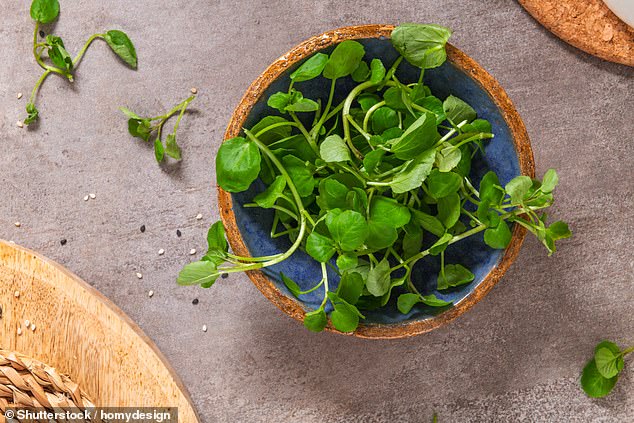
Watercress vs. Cress
It’s important to distinguish between watercress and cress, as they are often confused. While both are related, they differ in flavor and nutritional profile. Watercress is a mature leafy green, whereas cress, such as garden cress, is typically consumed as young sprouts.

Watercress and Weight Loss
Some people, like actress Liz Hurley, have promoted watercress as a weight-loss aid, citing its low-calorie and high-nutrient content. However, experts emphasize that no single food can cause weight loss on its own. A calorie deficit is what ultimately leads to weight loss, and watercress can be a helpful addition to a balanced diet due to its low calorie and high volume.