In a world where music is more accessible than ever, a new kind of night out is gaining popularity across cities globally: the “listening bar.” Unlike traditional clubbing or gig-going, these venues offer a unique experience that blends the intimacy of home listening with the social atmosphere of a bar.
The concept, which originated in Japan, has now spread to major cities around the world. These bars are equipped with high-end audio systems designed to deliver an immersive and high-fidelity sound experience. Some focus on providing a relaxed environment where music plays in the background, while others offer dedicated “active listening” sessions where the audience is encouraged to fully engage with the music.

Camille Calloch, 31, described her experience at a listening session for British neo-soul artist Sampha at the “Listener” bar in central Paris. “It really makes you listen to every word, every instrument, every note,” she said. For her, this form of music consumption has become one of her favorite ways to enjoy music, alongside concerts, headphones, bars, and festivals.
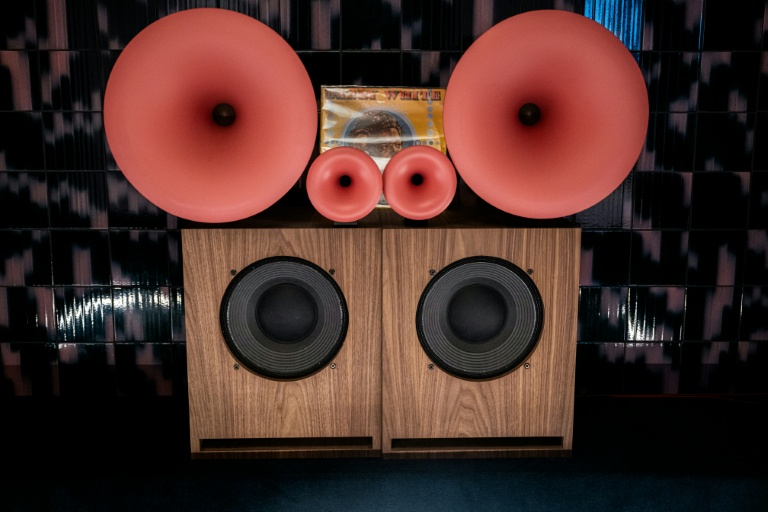
At Listener, the underground, soundproofed audio room features a system valued at around 200,000 euros ($235,000) at catalogue prices. The setup includes sculptural speakers from the niche Greek manufacturer Tune Audio, as explained by co-founder Jerome Thomas.
Listening to albums in such a setting reveals subtle details that are often missed in other environments. The treble is crystal-clear, and the bass is strong enough to be felt physically. This approach aims to combine the energy of a live-music experience with the comfort of listening at home.
“It’s a completely different way of relating to music,” Thomas explained. “It’s not quick consumption like you have on streaming platforms with small headphones. We really wanted people to take the time to rediscover their favorite artists.”
Sound Loss and High-Quality Audio
Thomas, who previously worked in the medical sector, shared how rewarding it is to see clients react to sessions featuring artists like Marvin Gaye or Mariah Carey. “They come to me saying, ‘I thought I knew that track by heart, I’ve been listening to it for 15 years, but I heard new instruments, I could hear the mix from the sound engineer,’ he said.
Despite the ubiquity of recorded music, most people consume it through Bluetooth headphones or low-quality portable speakers, often using streaming platforms as the source. This leads to highly compressed audio, which significantly reduces quality compared to CDs or vinyl.
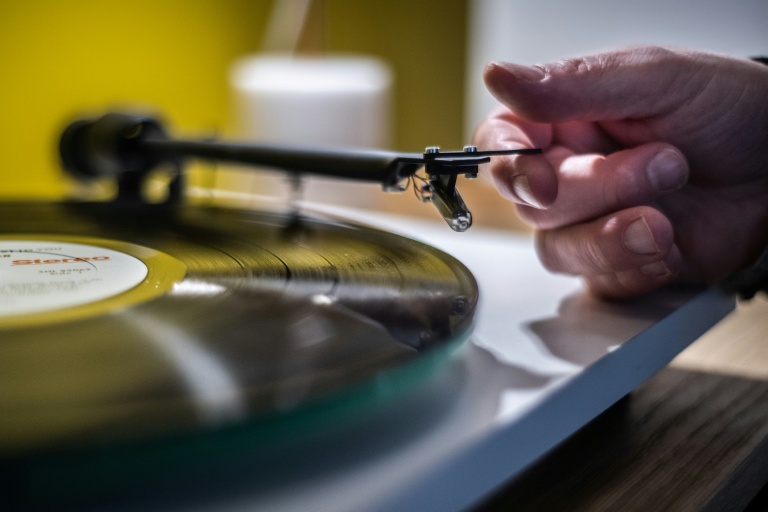
Some listening bars use high-quality streaming services like Tidal or Qobuz, while others prefer vinyl. Many also invest in high-end cabling and often use tube or valve amplifiers to enhance the listening experience.
The Rise of Listening Bars
The vibrant listening bar scene contrasts with the decline in clubbing in many cities. Rising rents and changing lifestyles among younger generations have impacted demand for traditional nightlife.
“There’s totally been an explosion of these places lately,” said Dan Wissinger, co-owner of Eavesdrop, a listening bar in New York. He and his team opened their Brooklyn venue in 2022, featuring one room for active listening and another for more social interactions.
A key feature of any self-respecting listening bar is rooms designed specifically for music. “If they don’t have acoustic treatment, then they’re just fake listening bars,” Wissinger explained. “In a hospitality space, if you don’t have good damping, you’re not going to be hearing music first.”
Japanese Influence and Global Expansion
The London listening bar scene has been influenced by Japan’s atmospheric “jazz kissa” bars, which are known for their cosy and immersive environments.
One of the pioneers in Europe is Brilliant Corners, while other notable names include Jumbi, Spiritland, and All My Friends. A newer addition is Hidden Grooves, created by Virgin Hotels for its Shoreditch venue.
The bar boasts a collection of 5,000 vinyl records, partnered with a London-based sound engineering company known for work in Ibiza, and uses high-end speakers from Tannoy, a UK manufacturer with a 100-year history.
“If I’m going out to experience music, the concept of a good listening bar checks all the boxes for me,” said Neil Aline, head of cultural entertainment at Virgin.
Like many fans of this trend, Aline pays tribute to Japan’s jazz kissa bars. “When I was touring, I’d go to these bars in Tokyo and Kyoto and I was like ‘wow, this is amazing,’” he said. “As a music lover, it’s a whole different way of experiencing music outside of live venues or clubs.”