Retail Footfall Shows Mixed Trends in March
Retail footfall in the UK saw a slight increase in March, driven by the early Easter holiday. However, industry leaders remain cautious about the long-term outlook, as concerns over the cost of living and economic pressures continue to affect consumer behavior.
According to the British Retail Consortium (BRC) and Sensormatic, total footfall rose by 2.4 per cent year-on-year in March. This growth was partly influenced by the early timing of Easter, which led to an increase in shopping activity during the final days of the month. Despite this, the overall rise was not enough to meet the expectations of many retailers, who had hoped for a stronger boost from the holiday.
High Street and Shopping Centre Performance
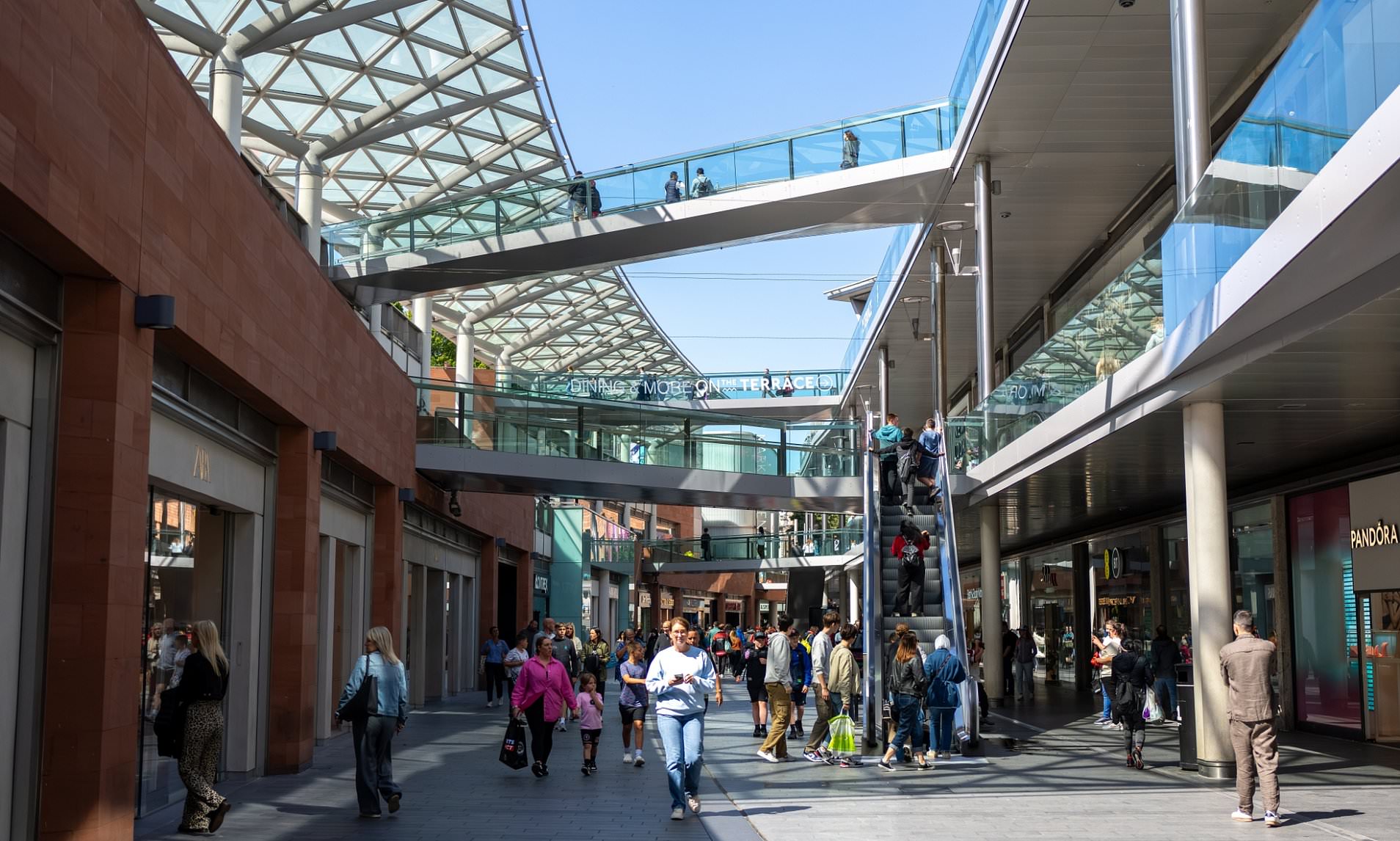
The high street experienced a modest increase in footfall, with a 2 per cent rise in March following a significant drop of 5.4 per cent in February. Shopping centres also saw positive results, with visits up by 2.6 per cent. This marked an improvement compared to the 5.5 per cent decline recorded in the previous month.
Regional data showed that footfall increased across all nations. In Wales, there was a 1.6 per cent rise, while England saw a 2.3 per cent increase. Scotland reported a 3.2 per cent growth, and Northern Ireland had the highest increase at 4.9 per cent.
Manchester stood out as the city with the largest increase in shopping activity, with total footfall rising by more than nine per cent. London also saw a slight increase, with footfall edging up by 3.3 per cent, slightly above the national average.

Mixed Results and Unmet Expectations
Despite the positive numbers, the BRC noted that the March increase did not meet the expectations of some retailers. The organization pointed out that after declines of 0.6 per cent in January and 4.5 per cent in February, the recovery in March was welcome but still fell short of the anticipated shopping boom.
Helen Dickinson, chief executive of the BRC, highlighted that the earlier-than-usual Easter and school holidays were expected to provide a stronger boost to footfall. While shopping centres performed well and cities like Manchester continued to thrive, the overall growth was not as strong as hoped.
She added:
“Looking ahead, the conflict in the Middle East is weighing heavily on both retailer and consumer confidence, with further pressure on the cost of living potentially likely to hit footfall.”
Dickinson emphasized the need for government support to help households manage the financial pressures caused by domestic policy costs. She suggested that reducing these costs could allow retailers to invest more in value, experience, and in-store offerings, which are crucial for driving footfall and fostering vibrant local economies.
Industry Concerns and Future Outlook
Andy Sumpter from Sensormatic echoed similar concerns, stating that without the final week’s Easter bump, March’s footfall might have remained in negative territory. This raises questions about how April may perform, especially given the stronger comparisons from the previous year.
He noted that ongoing pressures continue to shape consumer behavior. Declining confidence, geopolitical uncertainty, and rising living costs—particularly fuel prices—are encouraging caution and fewer discretionary trips.
While March’s return to growth is a positive step, the real test will be whether footfall can sustain itself once the Easter boost fades and tougher comparisons return. Retailers are bracing for a challenging period ahead, as they navigate the complex interplay of economic factors and consumer sentiment.