
The Real Gladiator Diet: Beyond the Hollywood Fantasy
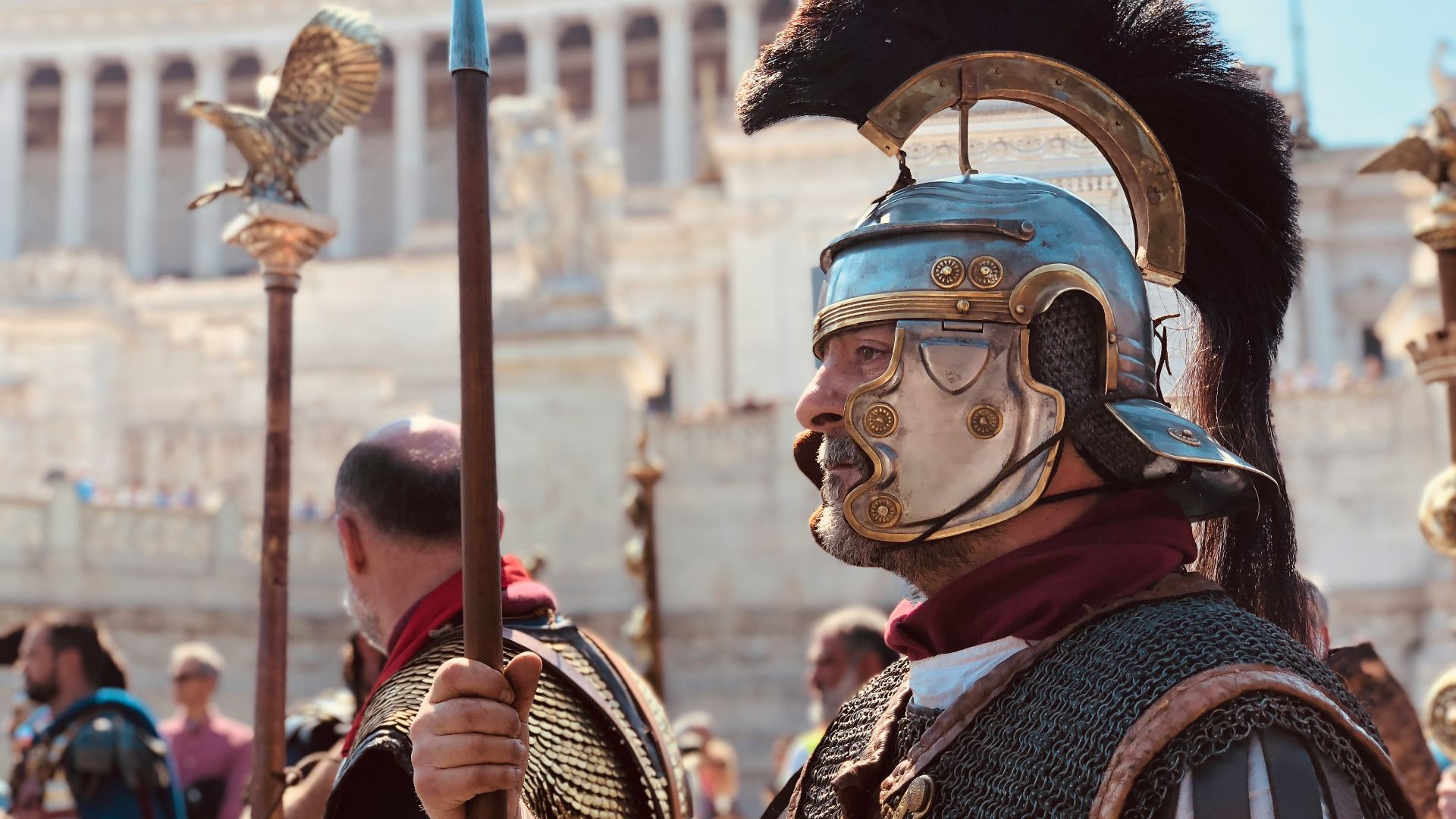
When people think of “gladiator food,” they often imagine massive portions of meat, endless wine, and a diet that would make a modern gym enthusiast jealous. This image fits the fantasy because Hollywood tends to portray ancient fighters as if they were shirtless bodybuilders with swords. However, the real story is far more intriguing and less macho than what many expect.
Ancient texts and modern archaeological findings suggest that gladiators followed a diet rich in barley, beans, and other plant-based foods. Researchers studying remains from Ephesus have uncovered evidence supporting old written accounts, including the fact that these fighters were known as hordearii, or “barley eaters.” While they did consume meat at times, this doesn’t align with the popular image of gladiators feasting like royalty.
They Were Trained Fighters, Not Just Brawlers
One major flaw in the Hollywood portrayal is the assumption that gladiators ate for show rather than function. In reality, they were part of a highly organized training system, and their diets needed to support recovery, stamina, and the practical demands of repeated combat preparation. Ancient writers and modern researchers both highlight a diet centered on affordable, filling staples instead of a constant parade of roasted meat.
Barley appears frequently in discussions about gladiator food. Beans, especially broad beans, also feature in historical records. Together, these foods would have provided carbohydrates, fiber, and a decent amount of plant protein. This approach sounds more like a fueling strategy than a warrior’s fantasy menu, which explains why the evidence aligns so well.
This difference is important because it changes how we view gladiators in general. A carb-heavy diet likely meant they didn’t look overly muscular like the actors in movies, as they weren’t being fed for dramatic effect in a close-up. Instead, they were maintained as expensive, trained performers whose bodies had to remain useful, durable, and capable of surviving brutal physical stress for as long as possible.
Their Diet Was Designed for Endurance and Body Protection
Modern readers might hear “mostly plant-based” and assume it made gladiators less formidable. However, research suggests the opposite, or at least a more nuanced perspective. A carb-heavy diet from grains and legumes would have helped fuel intense endurance training. Some scholars even argue that a thicker layer of fat may have offered practical advantages in the arena by protecting nerves and blood vessels from shallow cuts.
This is where the Hollywood image really starts to fall apart. Movies often favor sharply cut abs and sculpted torsos because they look good on screen, but real gladiators may not have been aiming for that look at all. If your job involved surviving public combat and repeated injury, you would care more about resilience and recovery than whether your abs looked impressive under torchlight.
There’s also the famous ash drink. Researchers studying remains from Ephesus found unusually high strontium levels in gladiator bones, suggesting they may have consumed a plant ash beverage to increase calcium intake after training. So yes, the men fighting in Roman arenas may have been downing something closer to a mineral supplement than a goblet of wine with their pounds of steak.
What They Ate Reveals More About Rome Than About Fantasy
Once you move past the movie version, the gladiator diet begins to tell a bigger story about Roman society. These men were professionals, and feeding them consistently and efficiently made economic sense. Barley and beans were accessible, filling, and practical on a scale that fancy meat-heavy meals simply couldn’t match, especially in a system built around training schools and professional management.
It also reminds us that ancient strength didn’t always look the way modern fitness culture assumes it should. People today tend to equate physical power with a very specific high-protein aesthetic, but the gladiator evidence points toward a different model—one focused on sustained energy, repair, and bodily protection. That doesn’t mean gladiators were vegetarians in the modern lifestyle sense, but it does make them far less like action-movie carnivores than popular culture would like.
The Truth Behind the Gladiator Diet
So, what gladiators were actually fed tells a different story than Hollywood portrays. The real version is less about fantasy and more about strategy. Their meals seem to have been designed for performance, not macho symbolism, and that makes them more interesting rather than less. If anything, the truth is a nice reminder that ancient combat wasn’t powered by theatrical excess, but by barley, beans, and a surprisingly disciplined idea of what a fighter’s body needed.