Winter Wellness: Boosting Your Immune System Through Diet and Lifestyle
As the days grow shorter and temperatures drop, it’s a clear sign that winter is on its way. Along with the colder weather comes the challenge of cold and flu season, which can leave many of us feeling sluggish and unwell. While many people turn to vitamins and supplements during this time, the truth is that our immune system is more influenced by daily food and lifestyle choices than by one-off remedies.
To stay healthy through the winter months, it’s essential to take proactive steps now. Here are some key strategies to consider:
Fuel the Gut
The gut plays a crucial role in our immune health, as at least 70% of our immune cells reside in the digestive tract. Maintaining a healthy gut microbiome is one of the most effective ways to support immune function.
This means prioritizing dietary fibre in your daily meals. Aim for at least 30g of fibre each day by incorporating a variety of fresh fruits, vegetables, whole grains, and legumes into your diet. However, many of us fall short of this goal, which is why including foods like mixed juices, soups, and vegetable-based meals can be especially beneficial during the colder months.
Get on Top of Your Iron Intake
Iron is often overlooked when it comes to immune function, but it’s vital for the development of immune cells. Low iron levels can weaken the immune system, making you more susceptible to illness.
Low iron is particularly common in women and children, as well as those who don’t regularly consume well-absorbed iron from sources like lean red meat. If you do eat red meat, aim for small portions of around 100g three to four times a week. For those with low iron stores, getting a blood test is an important step to ensure your levels are optimal before winter sets in.
Tick Off the Vitamin D
Vitamin D is essential for both mood and immune function, yet at least 20% of Australians have low levels. This is especially true for those who spend most of their time indoors or live in colder regions.
Vitamin D helps regulate immune responses and can reduce the risk of infections and autoimmune conditions. If your levels are low, supplementation may be necessary. However, it’s important to take vitamin D with a meal, as it’s a fat-soluble vitamin and needs dietary fat for proper absorption.
Make the Most of Soups
While all vegetable-based soups are nutritious, those made with a bone broth base offer unique immune benefits. Bone broths contain a molecule called carnosine, which has been shown to help fight the early stages of the flu by inhibiting the spread of infected cells.
Adding a daily bowl of bone broth soup to your diet over the next few months is a smart move for supporting your immune system.
Be Smart with Supplements
It’s tempting to reach for supplements when you’re not feeling well, but most people don’t need them if they’re eating a balanced, nutrient-rich diet. Unless you have a specific deficiency, such as low vitamin D, iron, or zinc, it’s better to focus on whole foods like lean steak, seafood, or fresh juice.
Don’t Forget the Seafood
Seafood is a powerhouse of nutrients, but certain types, like mussels and oysters, stand out for their high levels of zinc and iron—both of which are critical for immune function. Whether fresh or canned, adding these to your meals can significantly boost your intake of these essential nutrients.
Grab a Handful of Nuts
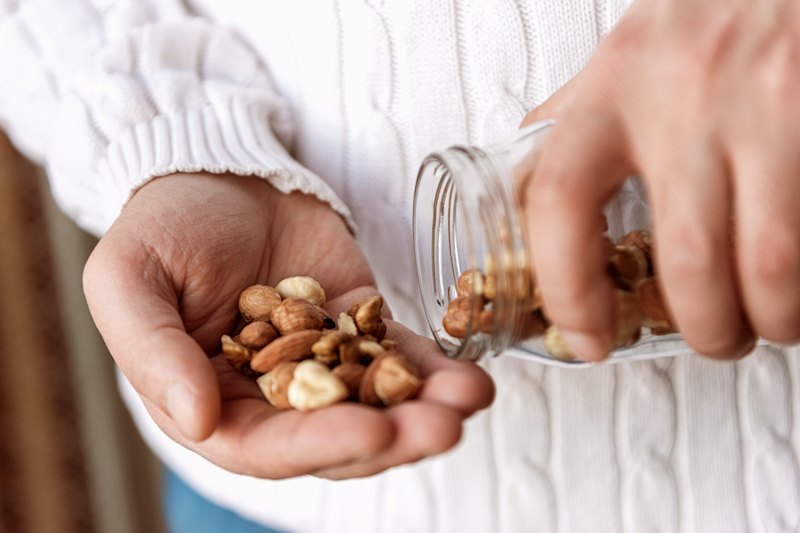
Nuts are packed with nutrients, including zinc and healthy fats that can reduce inflammation and support immune health. To get the most benefit, choose a variety of nuts such as walnuts, Brazil nuts, almonds, and hazelnuts. A serving size of 10 to 15 nuts is ideal.
Think Plenty of Variety
Eating the same foods every day can harm both digestive and metabolic health. By introducing a wide range of foods into your meals, you expose your gut to different nutrients that help nourish beneficial bacteria.
Try mixing up your breakfast and lunch options, and include a variety of vegetables, herbs, spices, legumes, seeds, nuts, and grains in each meal.
Load Up the Vitamin C
Vitamin C is essential for regulating the immune system, and some research suggests that increasing your intake may reduce the duration of an infection by about a day. Aim for at least a couple of servings of vitamin-C-rich foods like kiwifruit, oranges, and strawberries, along with plenty of leafy greens. The more natural sources you consume, the better.
Get Aromatic
Herbs and spices, such as garlic and turmeric, have been used for centuries to prevent and treat illness. Garlic, in particular, contains organosulfides that stimulate the production of immune cells called macrophages. Adding these to your meals can provide powerful immune-boosting benefits.