Key Findings from the Feasibility Study
A feasibility study into Adelaide’s failed bid to host the COP31 UN climate summit highlighted several key considerations that would need to be addressed if the city were to host such a large-scale international event. One of the notable points was the expectation of delegates for a “type of gift bag” that would include items relevant to the host country and city. The report also emphasized the importance of providing free travel cards within these bags, which could allow delegates to move around the city without additional costs.
The study also warned about the potential use of carbon-emitting cruise ships for accommodation. It pointed out that even when stationary, these vessels require the use of petrol or diesel, leading to significant carbon emissions. This issue was identified as something that may need to be managed politically, possibly through carbon offsets. Additionally, the report noted that some countries and organizations requested free accommodation at previous summits, a decision that would ultimately fall to the host city or country.
Accommodation Challenges
Hosting more than 20,000 participants over two weeks would likely require displacing ongoing accommodation arrangements. This could include flight crews staying in hotels and university students residing in student accommodation. The report suggested that new accommodation might be needed close to Adelaide on government land, but it concluded that the city has, or could procure, sufficient conference and accommodation infrastructure.
One of the most critical aspects highlighted in the report was the urgency of making decisions. The KPMG analysis, conducted in October 2022, warned that any delay could impact the ability to secure necessary facilities, sites, and accommodation infrastructure. The report emphasized that time is of the essence for such a decision.
Previous Conferences and Lessons Learned
An appendix titled “Learnings from Previous Conferences” examined the COP26 summit held in Glasgow in 2021. Under the sub-header “accommodation,” the report noted that Glasgow worked with hotels to reserve approximately 70% to 80% of hotel stock in Scotland. The report also discussed the use of stationary cruise ships for accommodation, known as “flotels.” These vessels, even when not moving, require fuel to operate, contributing to carbon emissions that conflict with the purpose of COP meetings.
Another section titled “encouraging sustainability” highlighted the use of electric and hydrogen buses at COP26. The report suggested other ideas, such as using solar power at the venue and offering only vegan or vegetarian meal options during the event.
Legal and Political Implications
Adelaide’s bid to host COP31 was ultimately unsuccessful after the Australian government ceded hosting rights to Türkiye last year following a lengthy diplomatic stand-off. The event would have brought tens of thousands of representatives from across the world, including heads of state, to Adelaide to negotiate new climate agreements.
Before the state government publicly revealed Adelaide’s bid in November 2024, KPMG produced two feasibility studies for the premier’s department in October 2022 and August 2023. In July 2025, the ABC requested these documents via Freedom of Information (FOI), but the Department of the Premier and Cabinet (DPC) refused to release them. On review, the state ombudsman ordered DPC to release some parts of the documents, but more than 200 pages remain redacted.
Ombudsman’s Decision
The DPC initially refused to release the studies, citing exemptions related to business affairs and internal working documents. They argued that releasing the studies could have a “substantial adverse effect on the ability of the government … to manage the economy.”
The ABC requested an ombudsman review, arguing that the reasons for withholding the documents were no longer relevant once Adelaide could no longer host COP31. However, deputy ombudsman Megan Carter largely sided with the department’s view, accepting that “disclosure may compromise Adelaide’s capacity to bid for, secure or successfully host future major events.”
Future Prospects
Despite the failure to host COP31, Premier Peter Malinauskas has left the door open to Adelaide hosting a future COP. According to government data, DPC spent $1.3 million preparing for COP31 while SA Police spent a further $2.5 million.
Preparation Timeline
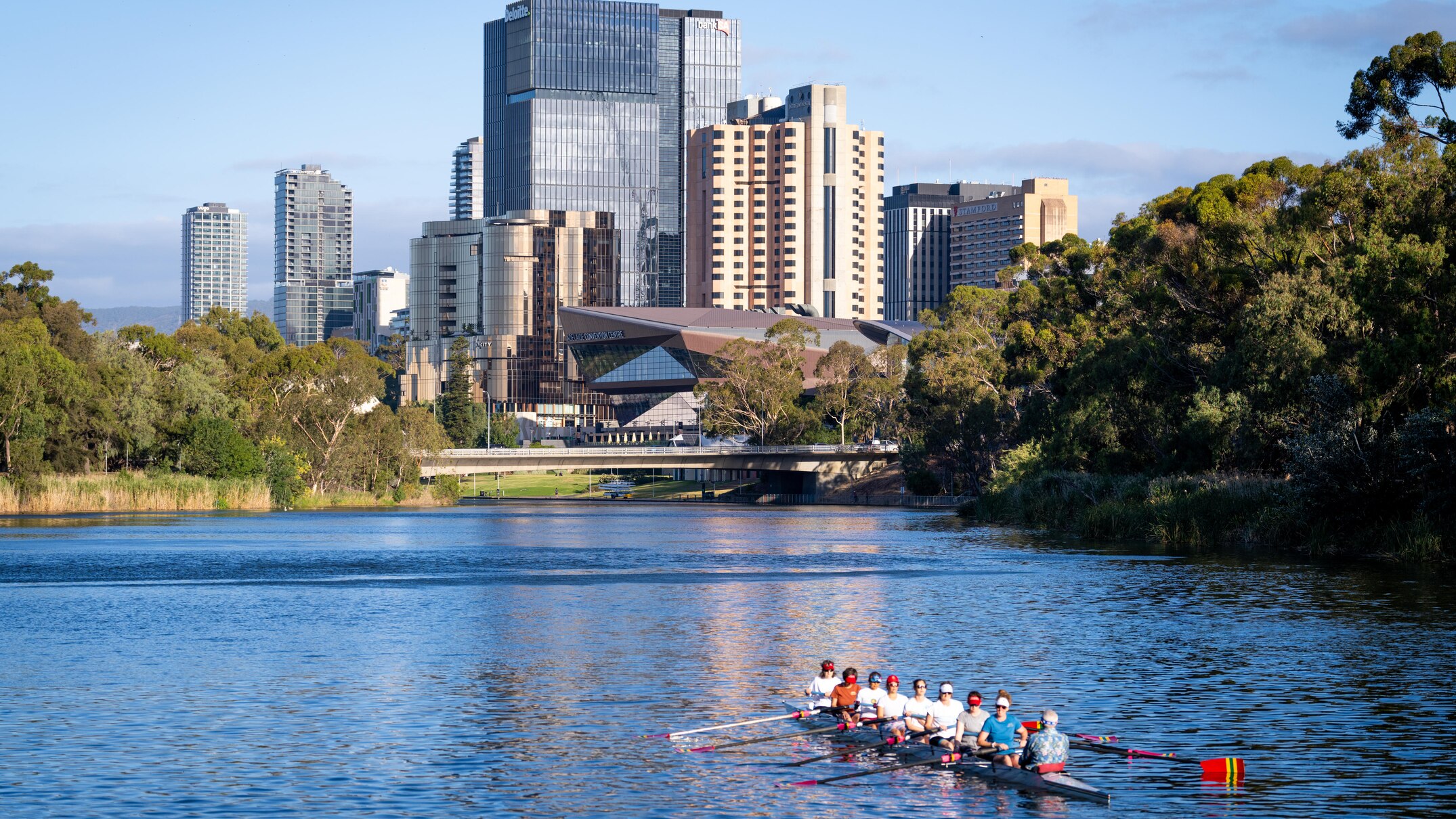
The first KPMG report investigated whether Adelaide could host COP in either 2024 or 2026. The study identified two Adelaide facilities that could host the summit: the Adelaide Convention Centre (ACC) — which was ultimately chosen — and another site, which is redacted. The ACC and [redacted] sites are likely to require construction of temporary infrastructure to support the event and will require other events to be displaced. A six-week “bump in” period could be needed to prepare the ACC. Once the summit ended, decommissioning could take a further 10 days. Therefore, the event could require conference facilities to be available for the entire month of October and November.