Tennessee lawmakers are making significant changes to the testing requirements for students enrolled in a state-funded program that helps cover private school costs. This decision comes after new data from the Tennessee Department of Education revealed that these students did not perform as well as their peers in public schools last year.
The changes focus on the Education Savings Account (ESA) program, which allows families to use state funds for private education. Recently, lawmakers expanded Tennessee’s newer Education Freedom Scholarship program, offering a broader voucher option. However, an attempt to extend the original ESA program to more families who applied for the Education Freedom Scholarship was unsuccessful.
Instead, the legislative focus shifted to modifying how students in the ESA program are tested. Currently, the ESA program is limited to students in Hamilton County, Memphis, and Nashville.
Testing Changes and Accountability
Senate Majority Leader Jack Johnson argues that the new testing standards will increase accountability by aligning ESA testing rules with the state’s newer scholarship program. He believes this change will ensure better oversight of student performance.
However, JC Bowman, Executive Director of Professional Educators of Tennessee, warns that the change could make it harder to accurately measure how students are performing. “Taxpayers deserve accountability. You will never get an apples to apples comparison,” he says.
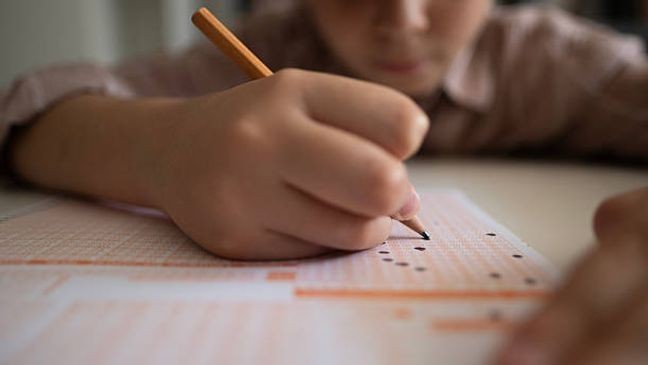
Currently, students in the ESA program take the same state test as public school students: the Tennessee Comprehensive Assessment Program (TCAP). But this may soon change.
Flexibility and Concerns
House Chairman William Slater explains that the proposed change would allow ESA students to take either the TCAP or a nationally norm-referenced test. “Right now, they’re required to take the TCAP, and that’s the only option they have,” he states.
Supporters argue that this flexibility would give families more options and better reflect what students are learning in private schools. They believe it would provide a more accurate assessment of student progress.
However, concerns about student performance have been raised. In Hamilton County, over 600 students participate in the ESA program. According to the Tennessee Department of Education, less than 30% of ESA students were on grade level in reading in 2025, compared to about 40% of public school students. In math, the numbers are even lower, with scores dropping from the previous year.
Performance Data and Public Reaction
Bowman points out that the data shows ESA students did not outperform their public school counterparts, as promised during the program’s pilot phase. “When the Comptroller’s report came out this year, it demonstrated that they did not outperform and in fact, the public school counterparts actually did higher,” he says.
He suggests that the program should have remained unchanged during its five-year testing period before any major decisions were made.
Before voting on the bill, some lawmakers expressed concerns about fairness. Rep. John Ray Clemmons shared his perspective: “I’ve got three children in public school. They’re taking the TCAP right now, and you’re sitting here introducing an amendment or a bill that says they’re rich friends that decided to take advantage of this voucher scam, get to go to a private school and get excused from the very same. Yes, just because they decided to go to that private school, that’s inherently unfair.”
Next Steps and Advocacy
The bill now moves to the governor’s desk for final approval. Beacon Impact, a school choice advocacy group, released a statement supporting the change. “Tennessee’s school choice programs should empower families to pick an education path that best meets their needs. But by requiring participating students to take the TCAP, the same test public school students take, the Education Savings Account (ESA) program did not truly give students and families education freedom.”
They thanked Senator Jack Johnson and Representative William Slater for sponsoring SB1958/HB1881, which allows ESA students to take the same test as their private school peers if they choose, ensuring parents and families truly receive the educational freedom they deserve.