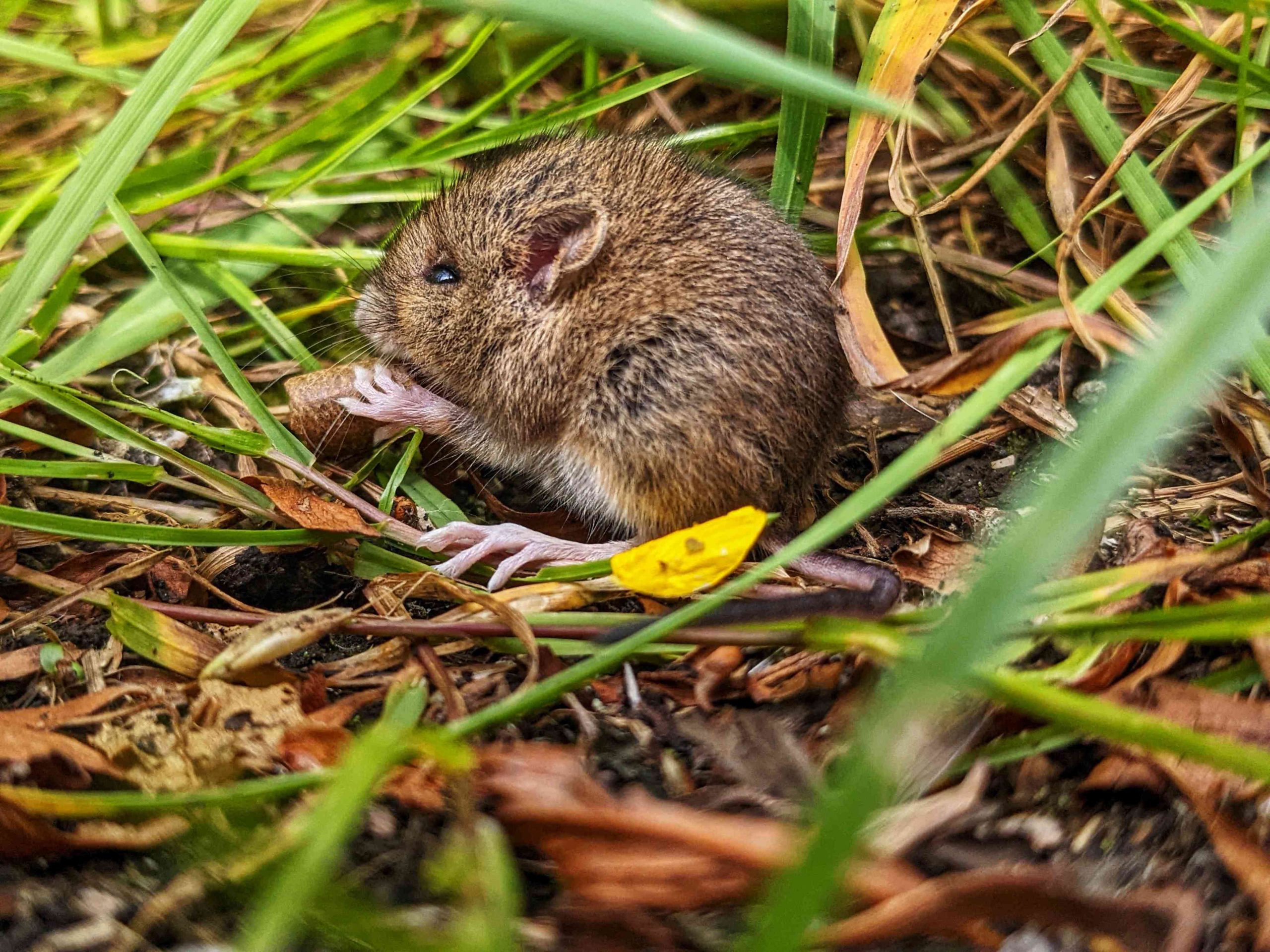
Identifying Voles and Managing Their Impact
Voles are small, herbivorous rodents that can wreak havoc on gardens by feeding on a variety of plant materials, including flowers, ornamentals, bulbs, and tree bark. Unlike moles, which primarily tunnel for insects, voles create surface or underground runways, often causing damage throughout the garden rather than just in lawns. Understanding how to identify and manage voles is essential for protecting your landscape.
Key Takeaways
- Voles are herbivores that cause garden damage by eating plant materials such as flowers, ornamentals, bulbs, and the bark of trees.
- Effective vole control includes keeping grass mowed, minimizing mulch, using traps, and protecting young trees with hardware cloth tubes.
- Sonic devices and toxic baits are not recommended due to ineffectiveness and potential harm to other animals.
Recognizing Vole Damage
While moles are known for their unsightly raised ridges and bumps on lawns, some tunneling activity may actually be caused by voles. Voles are active year-round and can be particularly destructive in gardens. You may notice previously healthy plants suddenly falling over or trees with gnawed bark at their base. Voles also tend to nibble on fruits or vegetables, leaving them attached to the stem.
Understanding Voles
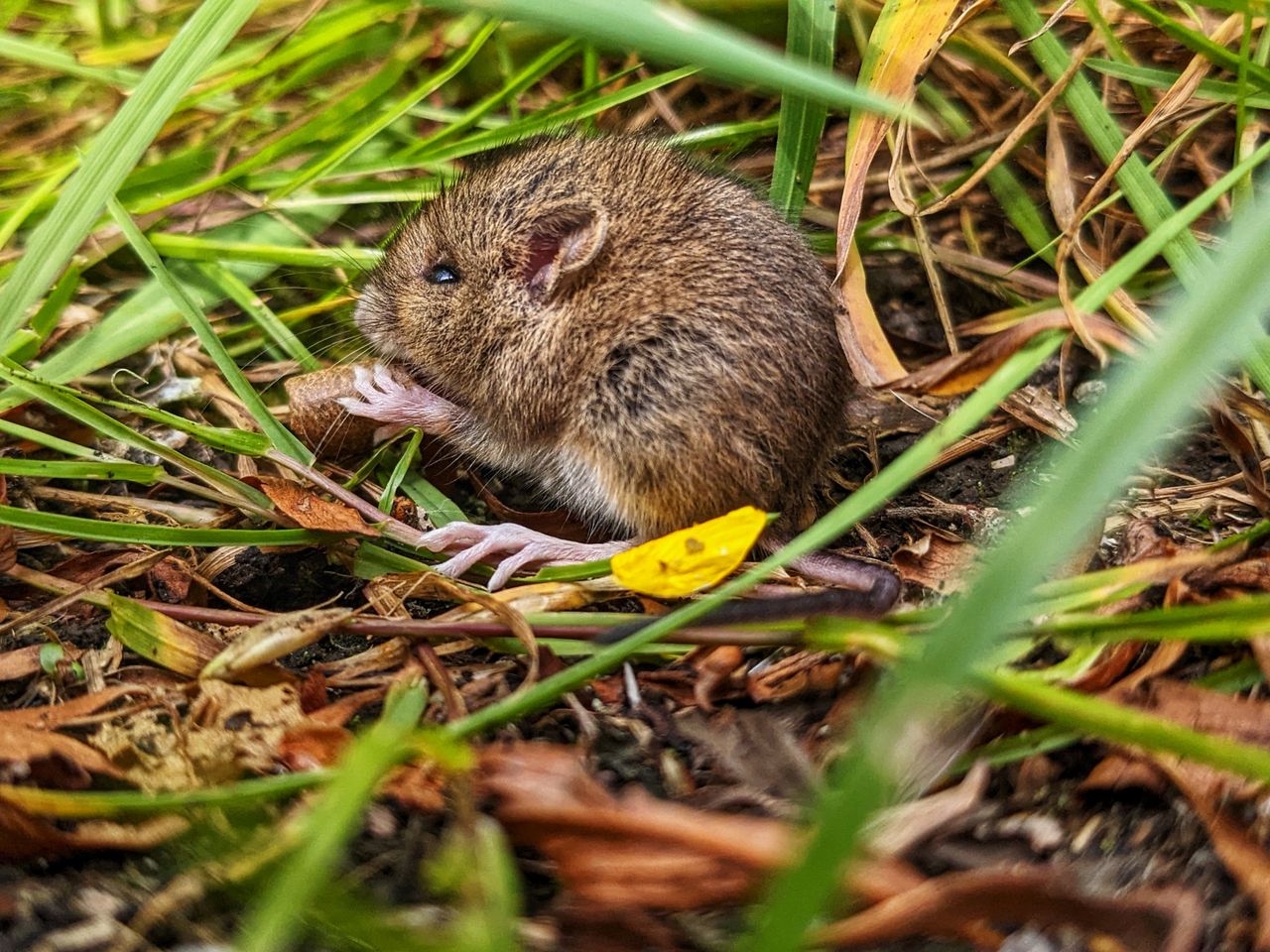
Depending on the species, voles construct surface or underground runways in areas with heavy ground cover. They thrive in environments with mulch, landscape fabric, or low-growing shrubs. Voles are herbivores, meaning they eat flowers, ornamentals, bulbs, and bark. They can damage crops and orchards by gnawing on saplings and tree roots. Voles are also known for their rapid reproduction, with gestation periods of three weeks and up to 10 litters per year.
How to Identify Voles
Voles are often mistaken for moles, but there are key differences. Moles are rarely seen, as they tunnel below ground for food. Voles, however, may be seen occasionally, especially in shallow tunnels or under snow during winter. A colony of voles can have runways about one to two inches wide, covering an area up to a quarter acre. There may be four to five flat entrance holes to burrows concentrated in a small area.
Managing Vole Infestations
Controlling voles requires a combination of strategies:
- Make sure a vole is causing the damage: Voles require different management techniques from other wildlife such as moles or rabbits.
- Keep grass mowed: Voles prefer tall vegetation, so keep lawns, especially those near flower beds, tidy.
- Minimize the amount of mulch in flower beds and turn it frequently so their tunnel systems are disturbed.
- Cleanup brush and leaf piles, which provide excellent cover for voles.
- Use a trap: The most successful method of control in small gardens is trapping. Use a mouse or rat snap trap baited with peanut butter and oatmeal or sliced apples, and place at the entrance to tunnels. Cover the trap with a clay pot, shingle, or piece of cardboard tented over it to protect non-target creatures.
- Avoid sonic or other frightening devices: There’s no scientific evidence they work, says experts.
- Try repellants: Castor oil may offer some short-term control, but results are questionable. Follow label instructions and reapply as needed.
- Protect young trees with a hardware cloth tube: Bury the cylinder about 6 inches below ground and make it taller than typical snow cover in your area.
- Plant in bulb cages constructed from hardware cloth to prevent voles from eating your flowering bulbs.
- Avoid toxic baits: They generally aren’t recommended because any animal, including pets, can be negatively impacted. There’s also a risk of secondary toxicity if a poisoned vole is eaten by a predator.
Signs of Vole Activity
Voles seldom invade structures, but telltale signs of their presence in the garden include plants that were flourishing but suddenly fall over, gnaw marks at various angles around the base of plants near ground level, clipped grass stems, and chewed bark. In the fall, voles also stockpile seeds, tubers, rhizomes, and bulbs. If you suspect voles are damaging your garden, take steps to identify and manage their population effectively.