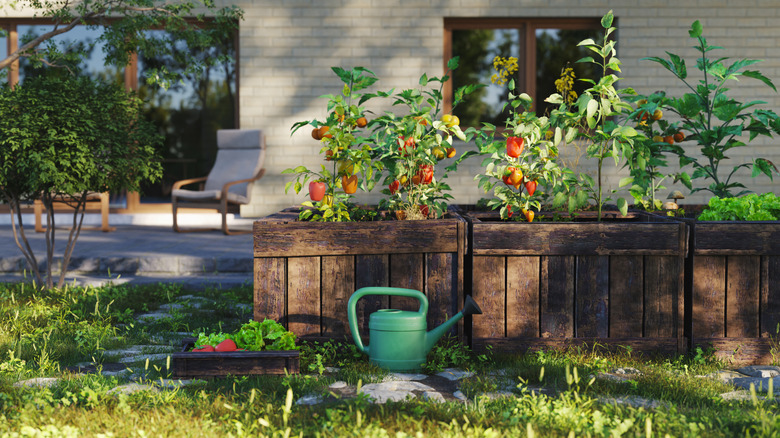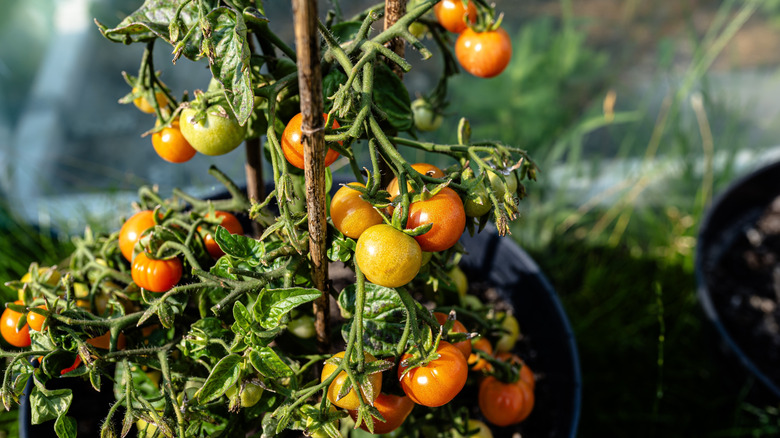
Tomato season is a short-lived but highly anticipated time of year, especially for those who enjoy using their homegrown tomatoes to create a delicious grilled margherita pizza for backyard gatherings. If you’re considering adding these vibrant fruits to your summer garden, choosing the right location for planting is essential for a successful harvest. Tomato plants are like the Goldilocks of summer crops—they require just the right balance of conditions to thrive.
They need warmth, but not excessive heat. They require water, but not in excess. The soil must be well-draining to prevent root rot. Tomatoes also need sunlight, but too much can lead to sunscald, similar to what happens when you sit by a pool on a hot day without sunscreen. The leaves may turn white, or you might notice brown spots. The fruit itself can crack and develop discoloration. So, finding that perfect balance is crucial for healthy tomato growth.
Finding the Right Spot
The first consideration when planting tomatoes is ensuring they receive between six and eight hours of direct sunlight each day. This amount of light is necessary for both flower and fruit development. Without enough sunlight, your plants may not grow strong or produce an abundance of fruit. On the other hand, too much sun can cause sunscald, which damages the leaves and fruit.
In addition to sunlight, it’s important to provide some shelter for your tomato plants. Consider planting them near a brick wall or fence that absorbs the sun’s rays during the day and releases the warmth at night. This creates a microclimate that helps keep your plants warm as the temperature drops. Walls can also offer stability, keeping the fruit off the ground to reduce the risk of pests and early rot.
Planting near a wall that receives direct sunlight can also protect your tomato plants from wind and rain, which can damage or knock them over. Additionally, consider planting companion plants alongside your tomatoes to enhance their growth and health.
Companion Planting Tips
One excellent companion plant for tomatoes is spinach. It helps inhibit weed growth, which is a common problem in gardens. Spinach has shallow roots, so it doesn’t compete with tomatoes for moisture, making it a great partner in the garden. This symbiotic relationship can help improve overall garden productivity and reduce the need for constant weeding.
Another benefit of companion planting is that it can naturally deter pests and improve soil health. By carefully selecting which plants to grow together, you can create a more balanced and thriving garden ecosystem.
Avoiding Common Mistakes
By following these tips, you can avoid many of the common mistakes that can hinder the growth of your tomato plants. Proper placement, adequate sunlight, and thoughtful companion planting all contribute to a healthier, more productive garden.
If you’re looking for more gardening advice, cooking tips, and delicious recipes, consider signing up for the free Daily Meal newsletter. You’ll receive helpful content straight to your inbox, including kitchen hacks and meal ideas. You can also add us as a preferred search source on Google for easy access to our articles.