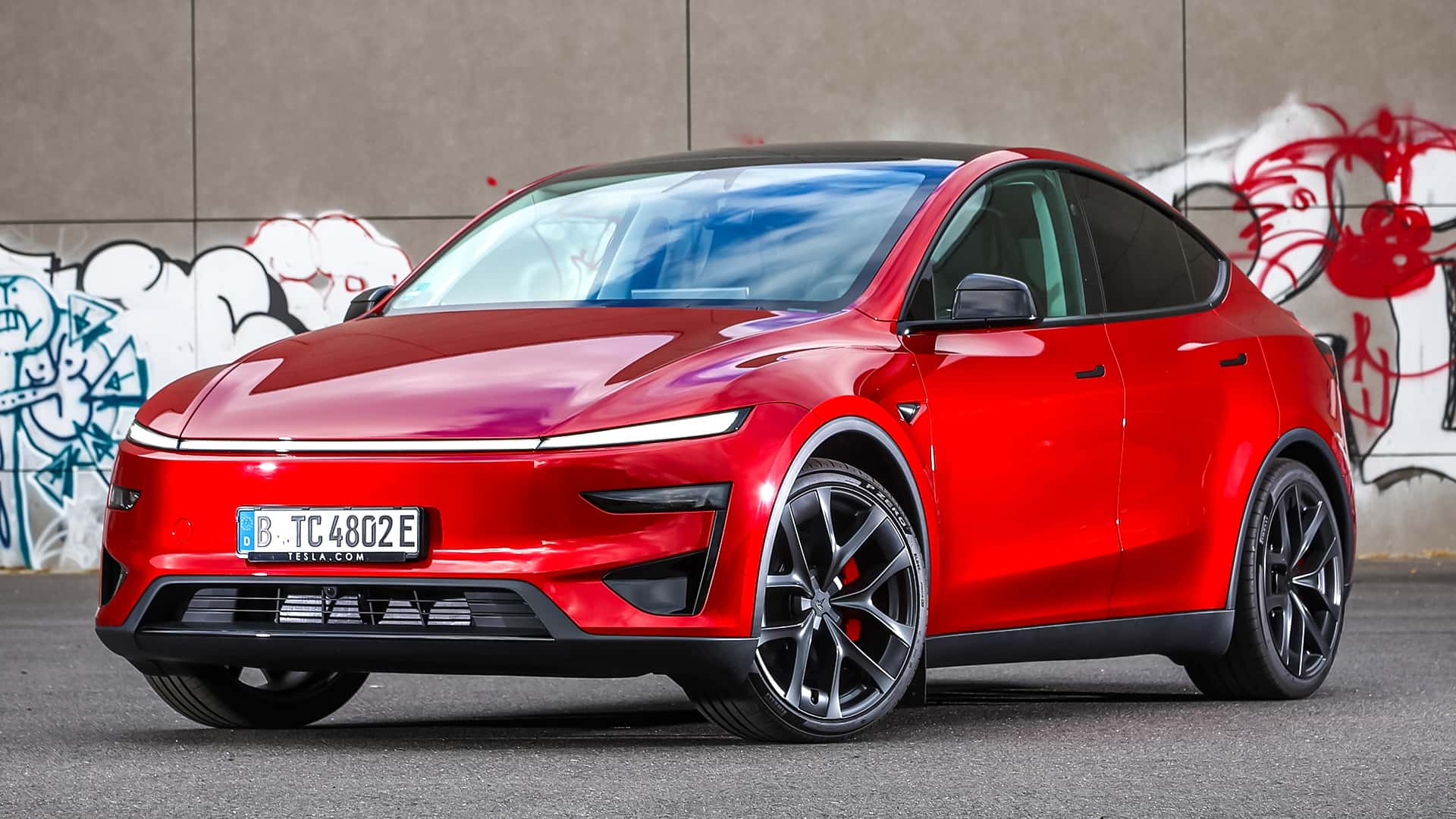
Europe Leads the Way in Electric Vehicle Growth
Electric vehicles (EVs) are playing a pivotal role in keeping Europe’s automotive industry thriving, with significant growth observed in the first quarter of the year. The surge in EV sales has been particularly notable, with over 700,000 electric cars registered from January to March, more than three times the number seen in the United States during the same period.
This trend is not just limited to pure electric vehicles. Plug-in hybrids (PHEVs) and traditional hybrids are also contributing to the momentum, helping to sustain the European car industry amid declining sales of conventional gasoline and diesel vehicles.
A Sharp Contrast Between Europe and the U.S.
While electric cars may be facing challenges in the United States, the situation in Europe is quite different. In the first quarter, the European Union, the United Kingdom, and the countries of the European Free Trade Association (Iceland, Liechtenstein, Norway, and Switzerland) saw the registration of no fewer than 723,704 new EVs. This represents a healthy 26.2% increase compared to the previous year, according to data from the European Automobile Manufacturers’ Association (ACEA).
In contrast, American buyers purchased 216,339 EVs from January through March, according to Cox Automotive. This figure marks a 27% drop from the previous year and is more than three times lower than the number of EVs sold in Europe. One key factor behind this decline is the discontinuation of the $7,500 federal tax credit last year, which had a major impact on the American EV market. Meanwhile, European countries continue to offer various incentives to encourage the adoption of electric vehicles.
Market Share and Industry Trends
In Europe, electric vehicles accounted for 20.6% of the entire new car market, while in the U.S., they represented only 5.8% of total new-car sales in the first quarter. Alongside PHEVs and hybrids, EVs are helping to keep the European car industry afloat, as sales of traditional gas and diesel vehicles continue to fall.
In the first quarter, Europeans purchased 354,700 new PHEVs, a 32.4% increase year-over-year, and 1,355,117 hybrids, which is an 11.4% rise compared to the same period last year. At the same time, sales of gasoline-powered vehicles dropped by 17%, and diesel passenger vehicle sales fell by 16.4%. Despite these declines, the overall new-vehicle market in Europe saw a 4.1% increase.
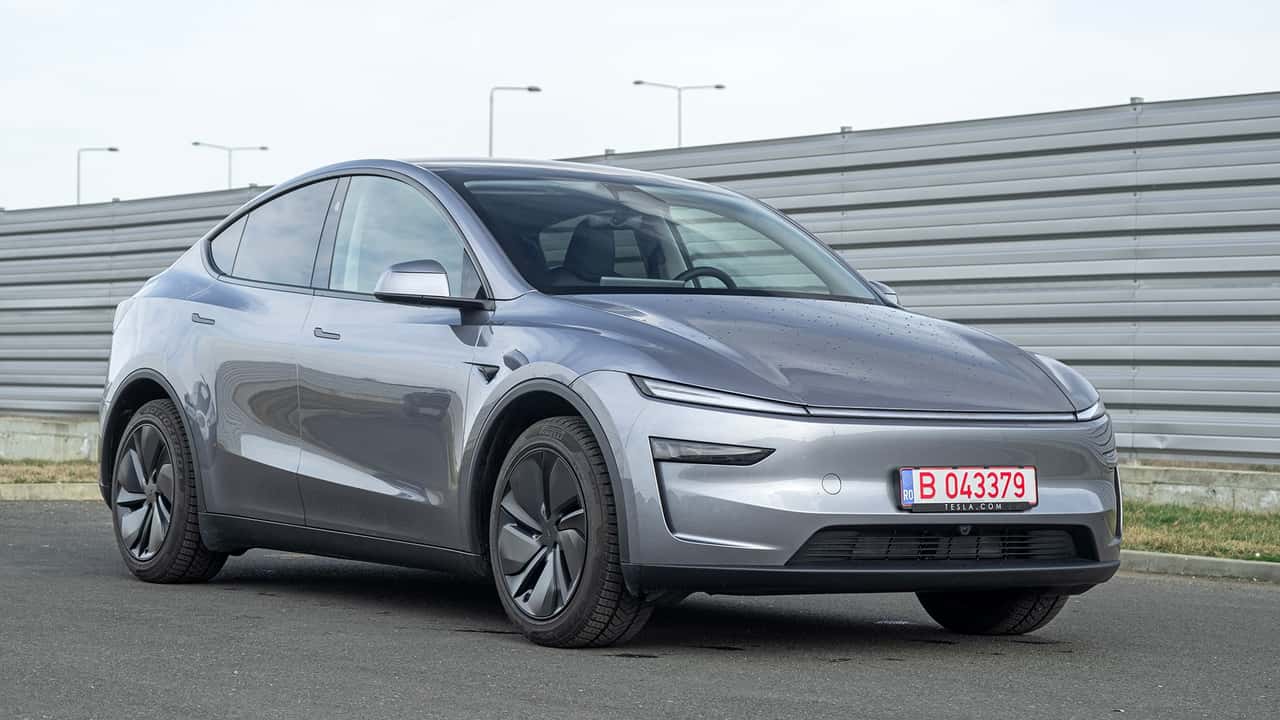
Tesla’s Resurgence in Europe
Tesla, once the dominant player in the European EV market, experienced a challenging period in previous quarters but rebounded strongly in the first quarter of this year. The company recorded a 44.9% increase in sales, with 78,336 new cars reaching customers in the EU, UK, and EFTA. Tesla accounted for 10.8% of all EV sales in the region.
The Tesla Model Y was the best-selling car in Europe in March, according to Data Force numbers reported by Automotive News, and it finished second for the quarter with 51,468 sales. This performance highlights the continued popularity of the Model Y in the European market.
Broader Implications for the Global EV Market
The success of EVs in Europe underscores the region’s commitment to transitioning toward cleaner transportation. While the U.S. faces challenges due to policy changes and economic factors, Europe continues to lead in electrification efforts. This trend is likely to influence global automotive strategies as manufacturers adapt to changing consumer preferences and regulatory environments.
As the demand for electric and hybrid vehicles grows, the automotive industry will need to remain agile, investing in innovation and infrastructure to support the shift toward sustainable mobility.