A Baroque Masterpiece in Southern Italy
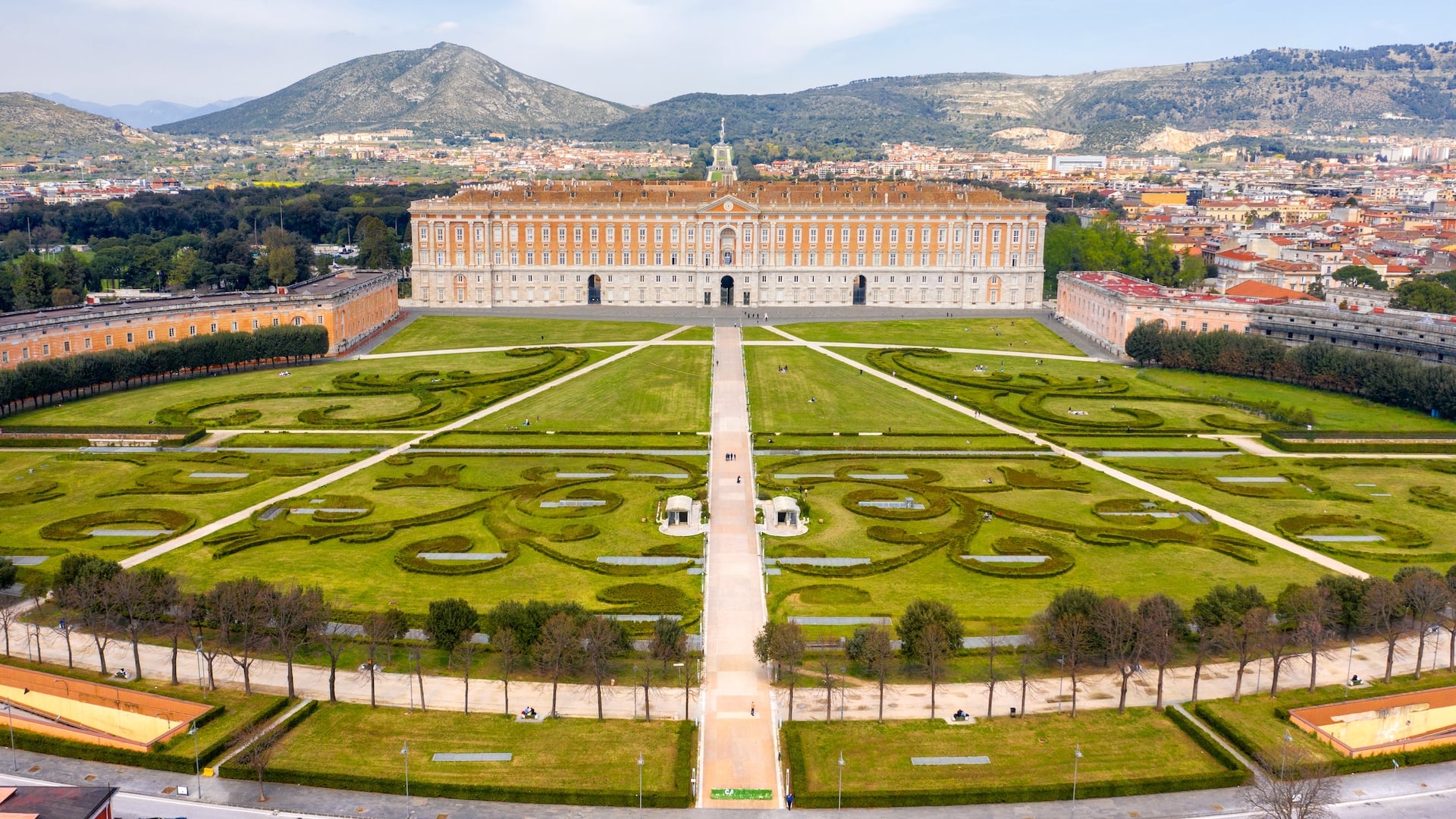
Nestled near Naples, the Royal Palace of Caserta is a hidden gem that captivates visitors with its baroque architecture, grand gardens, and monumental staircase. While it may not be as famous as the Palace of Versailles, this Italian treasure offers an equally stunning experience, showcasing the opulence of 18th-century European royalty.
The Royal Palace of Caserta was constructed beginning in 1752 under the direction of Neapolitan architect Luigi Vanvitelli during the reign of Charles of Bourbon, who was then King of Naples and Sicily. Located on a hill overlooking the Campania plain, the palace immediately impresses with its vast scale. It consists of more than 1,200 rooms, five floors, 34 staircases, and nearly 1,742 windows. The main building alone spans around 47,000 square metres, making it one of the largest palaces in Europe.
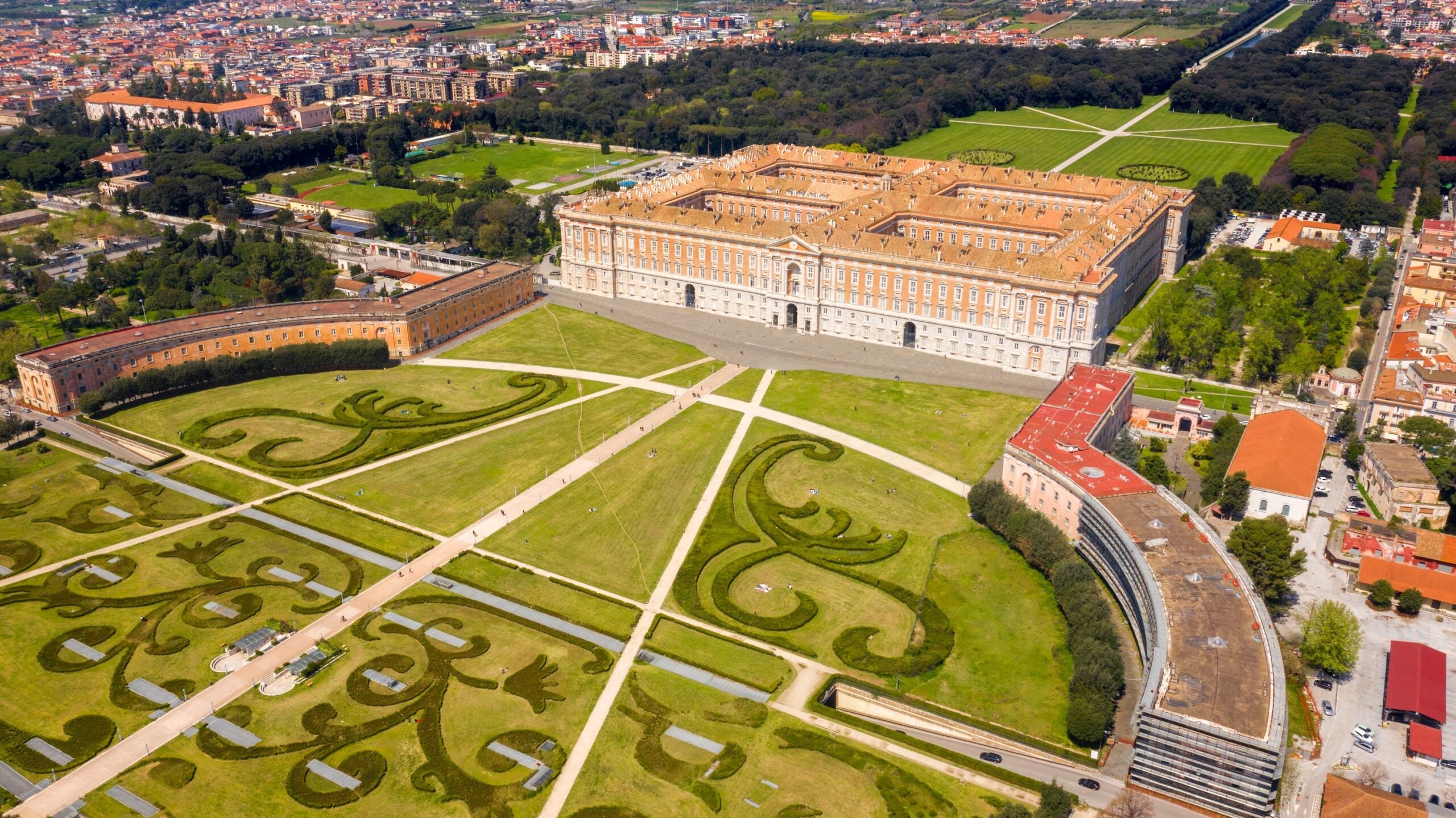
Some historians draw comparisons between the Royal Palace of Caserta and other iconic structures such as Beijing’s Forbidden City or Spain’s El Escorial due to its immense size. Others note the influence of Madrid’s Buen Retiro Palace. Regardless of these comparisons, it is clear that the palace was designed to reflect the power and prosperity of the Kingdom of Naples at the time.
An Extraordinary Interior
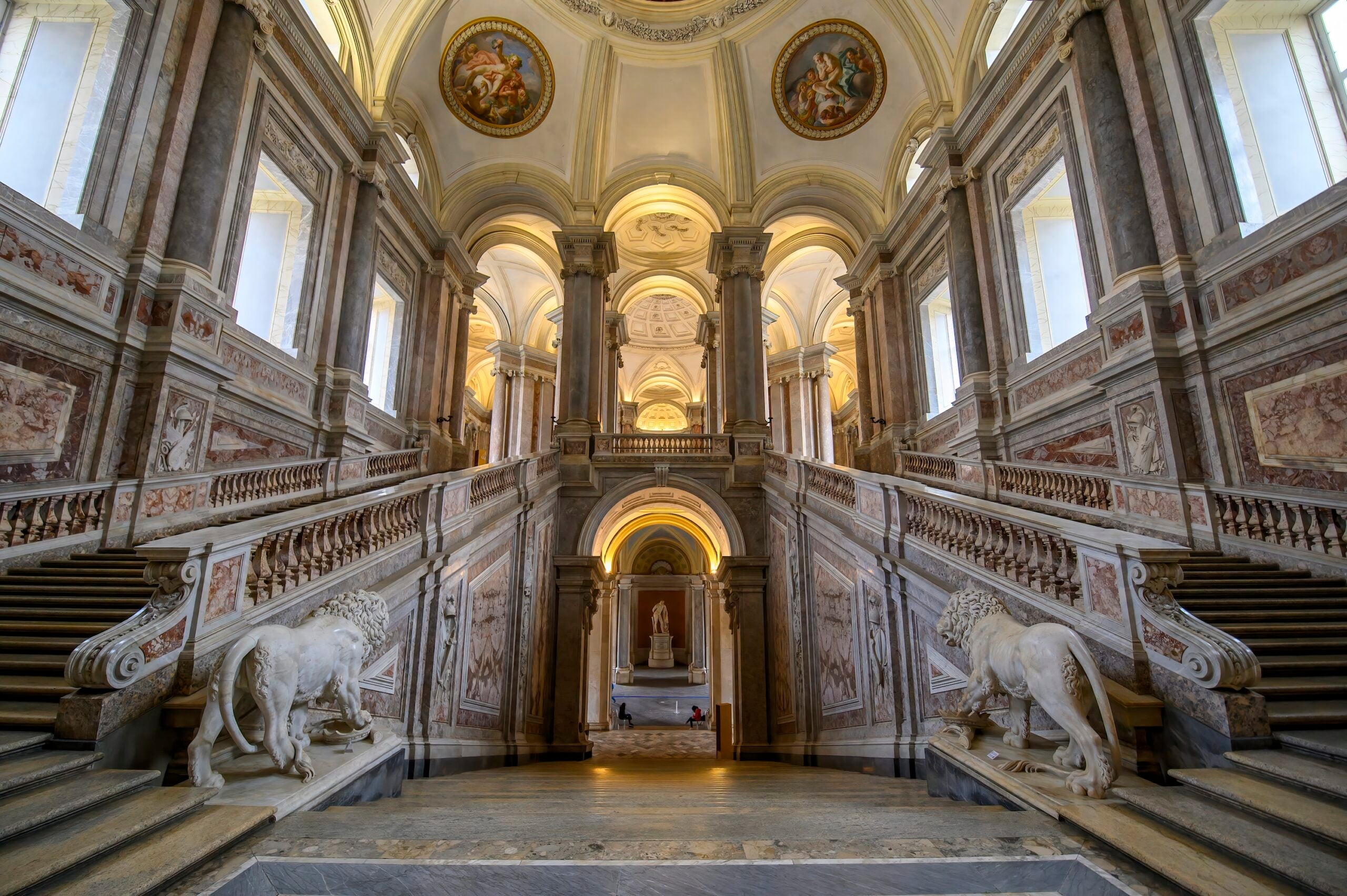
Upon entering the palace, the first feature that captures attention is the grand ceremonial staircase, also designed by Luigi Vanvitelli. This architectural marvel connects the different levels of the palace in a striking composition. The marble staircase is framed by sculpted balustrades and allegorical statues, creating a space that is both elegant and awe-inspiring. The use of natural light enhances the effect, ensuring that every visitor is struck by its beauty from the very first step.
At the top of the staircase, the royal apartments reveal a series of richly decorated rooms. These spaces are adorned with mythological frescoes, gilded details, and refined furnishings that reflect the lavish lifestyle of the royal court. The Palatine Chapel stands out for its neoclassical décor, which combines precious marbles with religious artworks to create a serene and contemplative atmosphere.
The Court Theatre, inaugurated in 1769, adds another layer to the palace’s cultural significance. Its elegant horseshoe shape once hosted numerous operas in an intimate setting reserved for the sovereign and their guests. This space provides a glimpse into the artistic and social life of the royal family.
Majestic Gardens for Nature Lovers
Outside the palace, the gardens offer a breathtaking panorama that complements the grandeur of the building itself. Designed by Luigi Vanvitelli, these gardens feature basins, fountains, and geometric pathways leading to an impressive artificial waterfall. The waterfall is supplied by a 38-kilometre-long aqueduct, a remarkable engineering feat for its time.
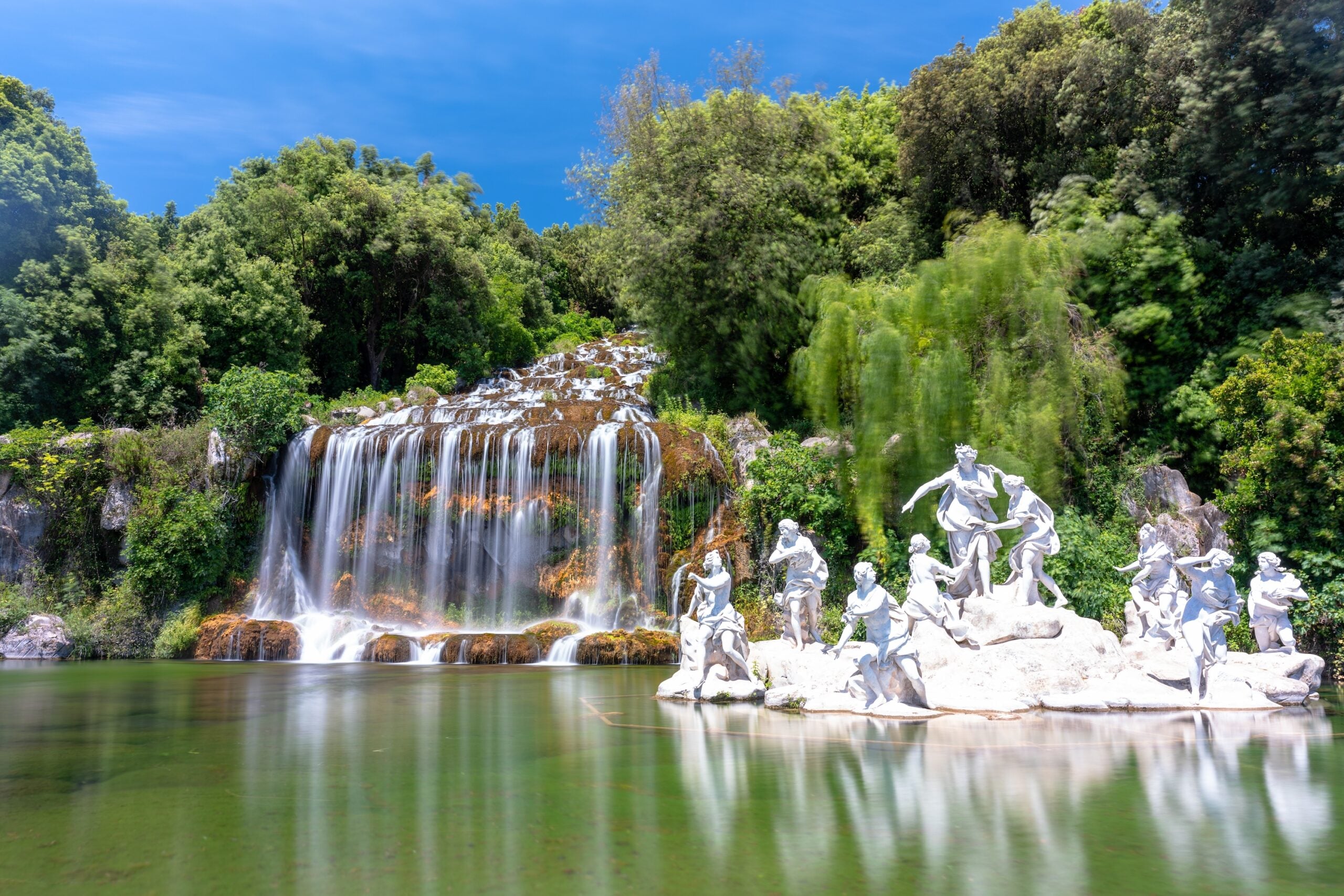
Further along, the English Garden presents a contrast with its more exotic landscapes, offering a unique and immersive stroll through diverse natural settings. These gardens are not only a visual delight but also a testament to the ingenuity of 18th-century landscape design.
A UNESCO World Heritage Site
Since 1997, the Royal Palace of Caserta has been recognized as a UNESCO World Heritage Site, acknowledging its historical and cultural significance. Its majestic settings have also attracted the attention of filmmakers, including George Lucas, who used the palace as a backdrop for the Star Wars saga, particularly in The Phantom Menace and Attack of the Clones.
With its rich history, architectural brilliance, and stunning natural surroundings, the Royal Palace of Caserta stands as a true European jewel. It offers an unforgettable experience for anyone seeking to explore the grandeur of the past.
Contact Information
Royal Palace of Caserta
Piazza Carlo di Borbone
81100 Caserte
Italy
reggiadicaserta.cultura.gov.it
For those planning a trip to Italy, there are many other remarkable sites to discover. Some notable attractions include:
- A medieval fortress on Lake Maggiore that is one of the best-preserved in the region, featuring impressive ramparts and historic halls.
- A stunning little island on Lake Maggiore that is home to one of the finest 17th-century Baroque palaces, known for its breathtaking garden.
- Seven fairytale castles in Italy where history and legend come together behind stone walls.