Strengthening Maritime Capabilities and Strategic Alliances
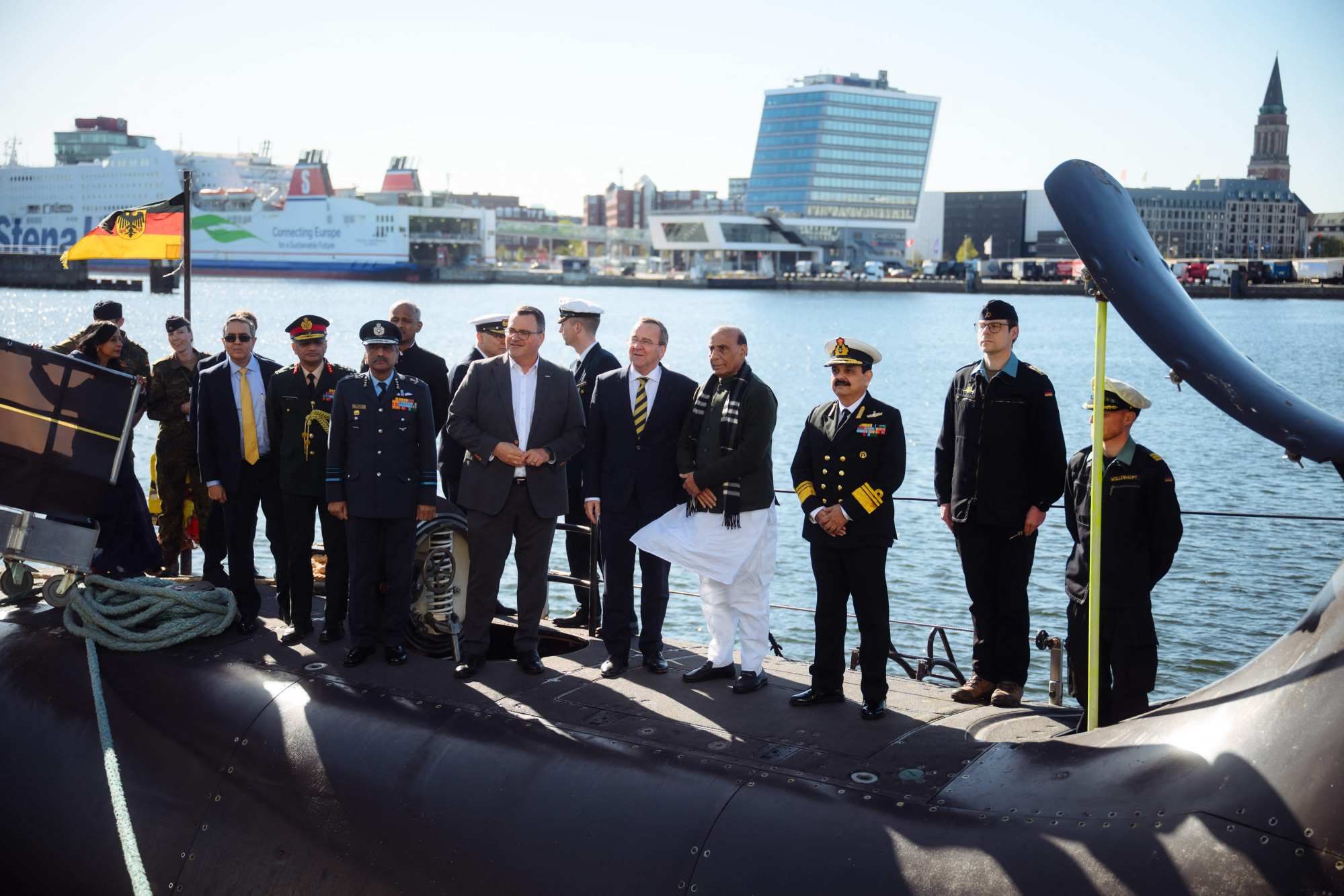
India and Germany have taken significant steps to deepen their defence collaboration, which is expected to enhance India’s maritime modernisation efforts and bolster Europe’s security role in the Indo-Pacific. The two nations signed a Defence Industrial Cooperation Road Map during Indian Defence Minister Rajnath Singh’s three-day visit to Germany. This agreement aims to foster collaboration in development, production, and niche technologies between the two countries.
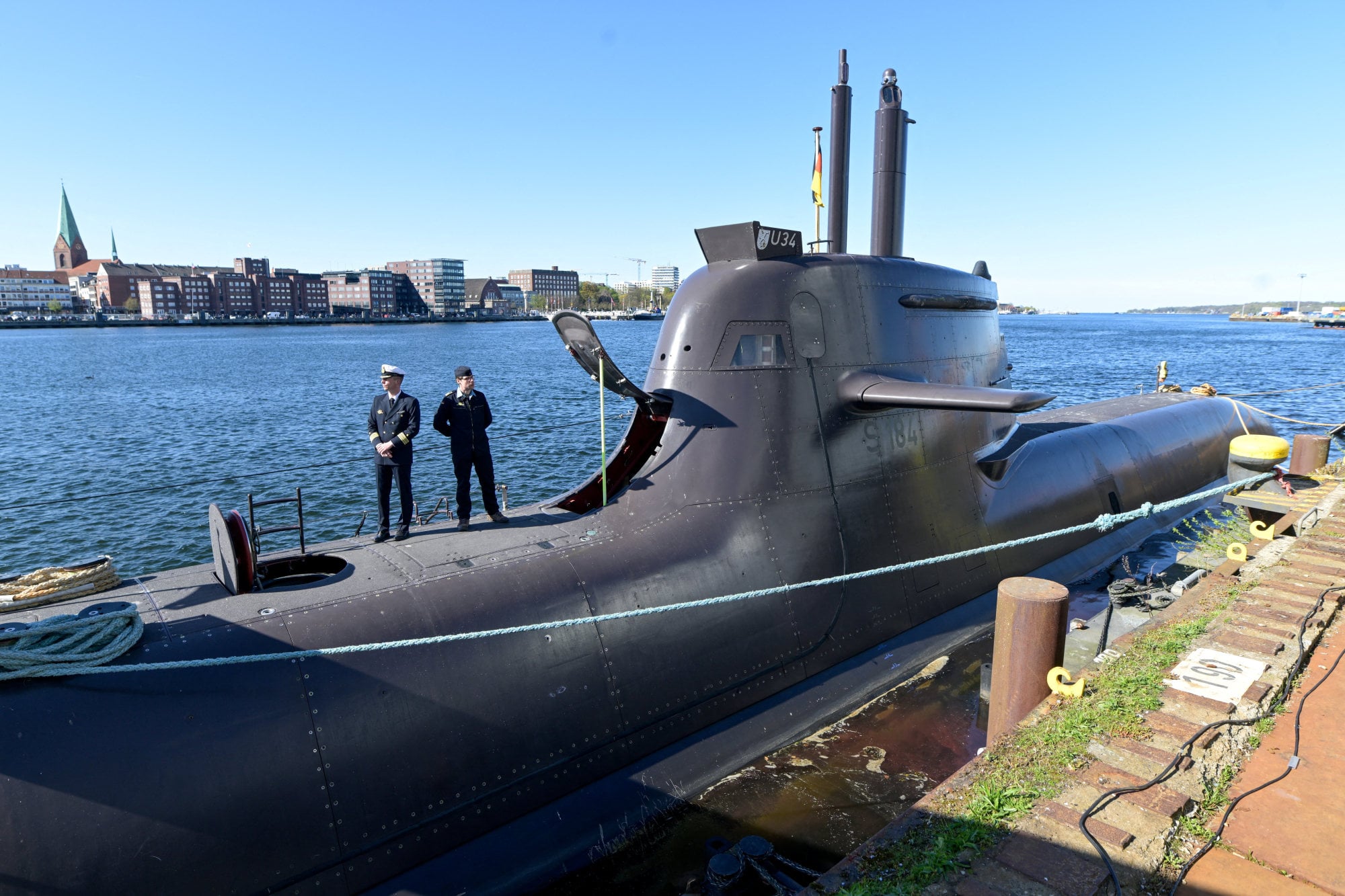
The most anticipated element of the visit was the planned US$8 billion submarine cooperation agreement. German Defence Minister Boris Pistorius expressed confidence that the deal would be finalised soon, particularly after discussions with Singh and his delegation. The agreement involves Thyssenkrupp Marine Systems GmbH (TKMS) partnering with India’s state-owned Mazagon Dock Shipbuilders Limited to manufacture submarines.
Singh indicated that the deal was “on track,” with Pistorius stating that the agreement would likely be inked within the next three months. This partnership is seen as a critical step for India in its long-standing effort to modernise its undersea fleet, especially amid China’s growing naval presence in the Indian Ocean.
Experts suggest that this agreement should be viewed not only as a bilateral defence deal but also as part of India’s broader maritime modernisation strategy. C Uday Bhaskar, director of the Delhi-based think tank Society for Policy Studies, noted that the agreement could serve as a template for future India-EU cooperation. He emphasized the importance of technology transfer in critical areas such as submarine design capabilities, AIP propulsion systems, stealth technologies, combat management systems, and engineering support.
Dongkeun Lee, a PhD candidate at Australian National University’s Strategic and Defence Studies Centre, highlighted the significance of India-European collaboration in the context of China’s increased naval presence and Pakistan’s growing capabilities. He pointed out that India faces delays in receiving nuclear-powered attack submarines from Russia and that the Hangor-class submarines are being launched in Pakistan. From this perspective, India may require additional hunter-killer submarines to strengthen its naval capabilities.
Lee noted that the planned submarine deal would mark the first transfer of German submarine production technology to a non-European country, enhancing India’s underwater warfare capabilities. These capabilities can contribute to anti-submarine warfare and targeting surface assets of both the Pakistani and Chinese navies, thereby strengthening India’s naval position in the region.
From a regional security dynamic perspective, Shairee Malhotra, deputy director of the Strategic Studies Programme at the Observer Research Foundation in Delhi, said the Indo-German submarine deal would help balance and maintain greater stability in the Indo-Pacific by enhancing Indian deterrence capabilities. She noted that the tech transfer component is a pragmatic step by Germany, allowing India access to technology it seeks without limiting its ties with Russia.
Antoine Levesques, senior fellow for South and Central Asian defence at the International Institute for Strategic Studies, highlighted that the new road map reflects India’s preference for government-to-government-led defence industrial cooperation frameworks. India has already signed a defence deal with France and a free-trade agreement with the United Kingdom. Levesques noted that Singh’s visit showed India’s intention to shape the critical details and sequencing of future EU-level efforts to include India in the bloc’s near- and longer-term defence supply chain plans.