Europe Faces Jet Fuel Shortages as Nigeria Emerges as Key Supplier
As the peak summer travel season approaches, Europe is grappling with a looming jet fuel shortage that threatens to disrupt air travel. In response, attention has turned to alternative suppliers, with Nigeria emerging as a critical player in the global aviation fuel chain.
Fresh data reveal that Nigeria, primarily driven by output from the Dangote Refinery and Petrochemicals in Lagos, has exported a combined 876,000 tonnes (876 Kt) of jet fuel to Europe within just two months. According to reports, 456,000 tonnes were exported in March, while 420,000 tonnes have been shipped in April. These exports, which occurred over 50 days, equate to more than 525 million litres of fuel.
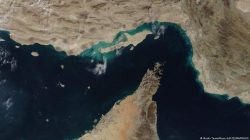
Experts suggest that this surge in exports highlights Nigeria’s growing strategic importance in global energy markets, especially at a time when traditional supply routes are severely disrupted. The European Union (EU) is scrambling to prevent a full-blown aviation crisis, exacerbated by prolonged tensions in the Middle East, particularly the disruption of shipments through the Strait of Hormuz. This vital chokepoint handles roughly one fifth of the world’s oil flows.
Since early March, when hostilities between the United States and Iran escalated, the Strait of Hormuz has experienced intermittent blockages, significantly constraining the flow of crude oil and refined products to global markets. For Europe, which relies on imports for about 30 percent of its jet fuel needs, the impact has been immediate and severe.
Key Gulf suppliers such as Saudi Arabia, Kuwait, Qatar, and the United Arab Emirates have struggled to maintain export volumes, leaving European fuel inventories under mounting pressure. The International Energy Agency (IEA) has warned that Europe may have as little as six weeks of jet fuel reserves remaining if supply disruptions persist.
The agency cautioned that while alternative suppliers like Nigeria and the United States could provide relief, their capacity may not fully compensate for the shortfall from the Gulf.
Nigeria Steps In as Alternative Supplier
Against this backdrop, Nigeria’s emergence as a reliable exporter of aviation fuel has provided much-needed relief. The Dangote Refinery, Africa’s largest, has ramped up production of refined petroleum products, including Jet A1 fuel, enabling the country to meet rising international demand.
A source who spoke with our correspondent said, “Dangote Refinery has seen a major boost in demand from the international market for its petroleum products. For Europe especially, the ongoing Middle East tensions pose significant challenges to the supply of Jet A1, and we have seen major European carriers slowing down operations because of Jet fuel shortages.”
“Nigeria has stepped in, not because it is the only alternative but because of the quality of fuel coming from the Dangote Refinery. I can tell you it is the quality here that is attracting Europe and others to look into the side of Dangote Refinery. You think Europe would have been buying fuel from Nigeria if the quality is not top-notch?”
Industry analysts note that the refinery’s scale and proximity to Atlantic shipping routes make Nigeria a viable and competitive alternative to Middle Eastern suppliers, particularly for European markets seeking shorter and more secure supply chains.
The export of 876,000 tonnes within two months marks a significant milestone for Nigeria’s downstream oil sector, reflecting both increased refining capacity and improved logistics.
Speaking with Daily Trust, an aviation analyst, Capt. Samuel Caulcrick said Dangote Refinery needed the international market to recover his money. According to him, given that he is also buying his crude from outside, he has not done anything wrong by exporting a large consignment of his products.
EU Takes Action to Address Crisis
In response to the deepening crisis, the European Commission has unveiled plans for a coordinated jet fuel sharing mechanism among its 27 member states. The initiative is designed to ensure equitable distribution of limited supplies and prevent disproportionate disruptions across regions and airports.
EU Energy Commissioner Dan Jørgensen, according to Aerospace Global News, acknowledged the seriousness of the situation, noting that concerns have shifted from rising prices to outright availability. The proposed measures include maximizing refinery output across Europe, coordinating fuel stock monitoring, and potentially releasing emergency reserves. The bloc is also considering joint purchasing arrangements to strengthen its bargaining power in global markets.
Airlines Begin to Feel the Strain
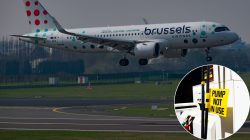
Even before shortages fully materialize, several European airlines have begun adjusting operations in anticipation of tighter fuel supplies. Air France-KLM has announced selective route cuts, while Aer Lingus plans to reduce approximately 500 flights during the summer season. Lufthansa has taken more drastic action, shutting down its CityLine regional subsidiary and grounding 27 aircraft as part of broader cost-cutting efforts.
Low-cost carriers are also bracing for impact. Ryanair has warned of possible disruptions starting in May, while easyJet executives say visibility beyond the next few weeks remains uncertain.