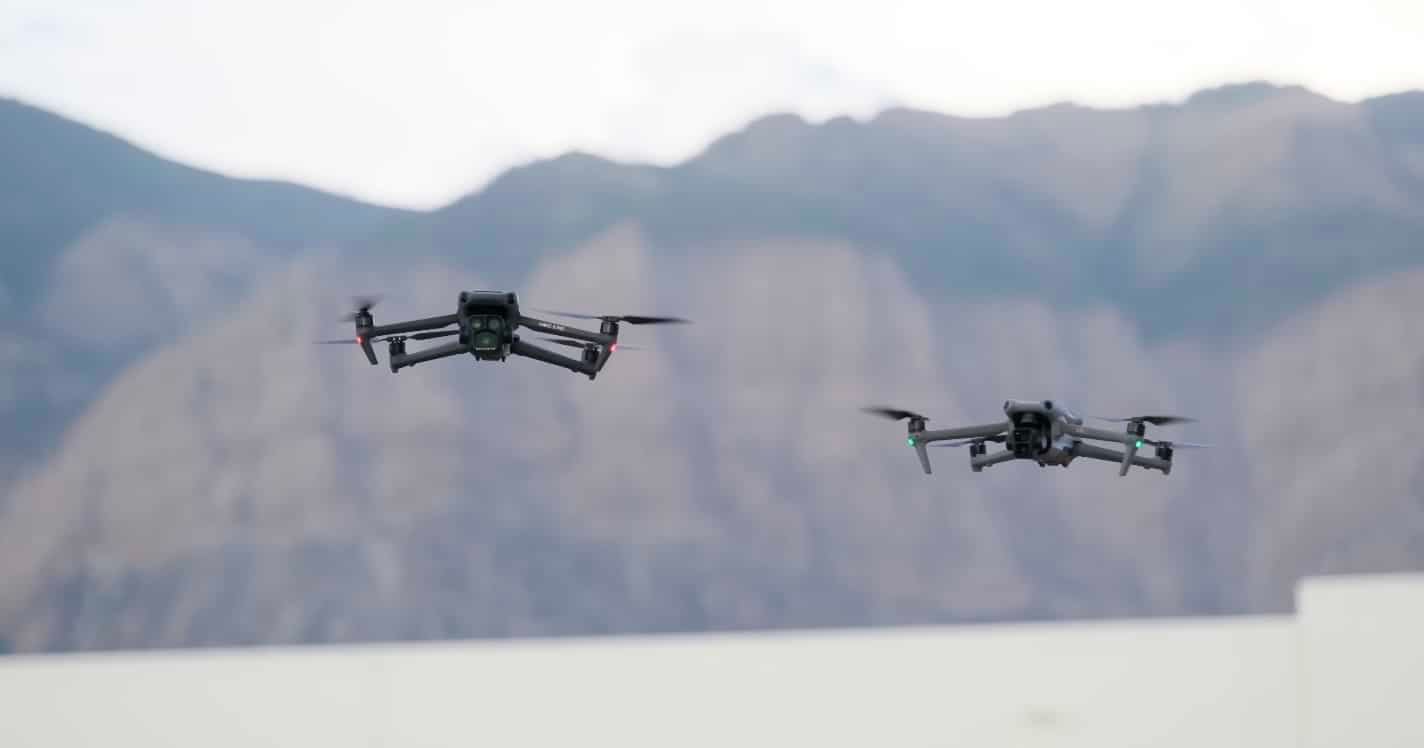
Enhanced Surveillance Through Drone Technology in Punjab
The Punjab Safe Cities Authority (PSCA) has taken a significant step towards improving public safety by implementing advanced surveillance systems across the province. This initiative involves the use of drone technology, which has been deployed to monitor various areas and address critical issues in real-time.
Key Areas of Focus
Under this new surveillance system, the PSCA is focusing on several key areas including emergency response, crime detection, traffic management, and environmental protection. The integration of drones into these operations allows for quicker identification and resolution of incidents, making the process more efficient and effective.
Emergency Response
One of the primary functions of the drone technology is to respond to emergency calls. The system enables the PSCA to take immediate action on emergency 15 calls, ensuring that help reaches those in need without delay. This rapid response capability has already proven beneficial in several instances, where timely intervention has prevented potential disasters.
Crime Detection
Drones are also being used to detect criminal activities in different parts of the province. By providing aerial coverage, they allow law enforcement to monitor high-risk areas and identify suspicious behavior. This proactive approach has led to an increase in crime prevention and a more responsive law enforcement strategy.
Traffic Violations
Traffic management is another area where drone technology is making a difference. Drones can monitor traffic flow and identify violations such as reckless driving or unauthorized parking. This not only helps in maintaining order on the roads but also contributes to safer travel conditions for all citizens.
Environmental Pollution
Environmental concerns have also been addressed through the use of drones. During routine surveillance, the PSCA has identified instances of garbage burning and industrial pollution. For example, during a drone operation in Lahore, garbage burning was detected at Borh Wala Chowk on Allama Iqbal Road. Immediate action was taken to control the fire, preventing further damage and health risks.
Similarly, factories emitting smoke were identified in areas such as Karol Ghati, Mahmood Buti, and Badami Bagh. An alert was issued to the relevant institutions to ensure that necessary measures were taken to mitigate the impact of pollution on the environment and public health.
Addressing Kite Flying Violations
In addition to these efforts, drones have also been used to monitor and address kite flying violations. In areas like Karim Park, Shafiqabad, Badami Bagh, and Kahna Nishtar Colony, illegal kite flying was detected. Legal action was subsequently taken against the offenders, reinforcing the importance of following local regulations.
Impact on Field Operations
According to the spokesperson for the PSCA, the use of drone technology has significantly improved the performance of field forces. The ability to monitor large areas from the air has enhanced the efficiency of law enforcement, allowing them to respond to incidents more quickly and effectively. This has resulted in a noticeable increase in crime prevention and a more proactive approach to maintaining public safety.
Expansion Across the Province
The success of this surveillance system has led to its expansion across other cities in the province. The PSCA continues to invest in technology that enhances the safety of citizens and supports the work of law enforcement agencies. This initiative underscores the commitment of the authority to creating a secure and sustainable environment for all residents.
Conclusion
The deployment of drone technology by the Punjab Safe Cities Authority marks a significant advancement in public safety and environmental monitoring. By leveraging modern tools, the PSCA is able to address a wide range of issues more effectively, ensuring that the needs of the community are met with timely and appropriate action. As the system continues to evolve, it is expected to play an even greater role in shaping the future of urban management and security in the region.