A Long and Painful Journey to Diagnosis
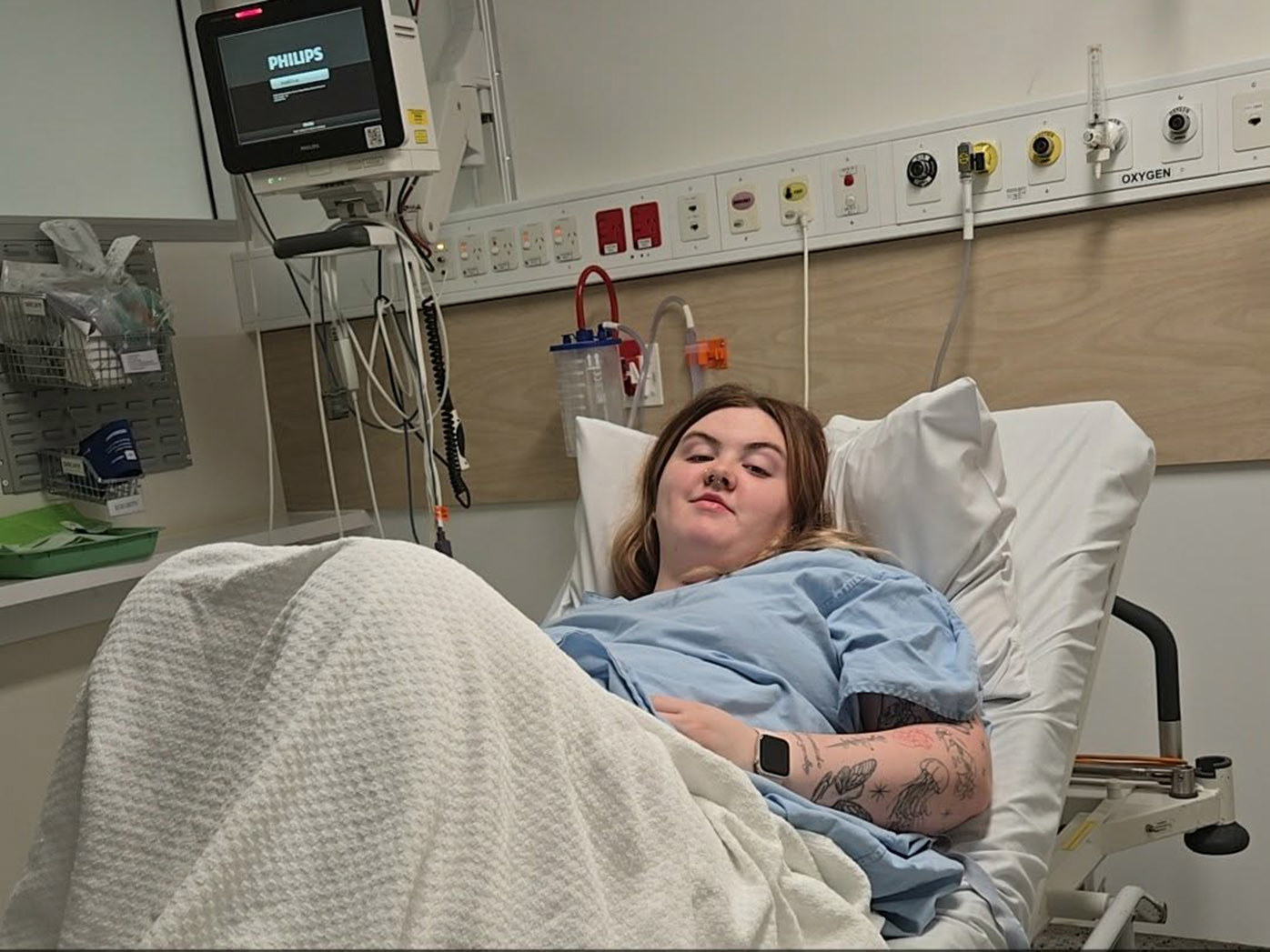
Amelie Russell, 21, has been living with an incurable disease since she was a child. However, for over a decade, doctors refused to diagnose her condition. Initially, they dismissed her stomach pain as something she had eaten or attributed it to stress. When she reached puberty, the blame shifted to her period or weight.
The truth is that Amelie had been living with undiagnosed, untreated Crohn’s disease for years. Crohn’s is a form of inflammatory bowel disease (IBD), which affects about 180,000 Australians. Common symptoms include diarrhea, stomach pain, bloody stools, unexplained weight loss, and fatigue. These symptoms can be debilitating, but about one in three Aussies with IBD wait over a year for diagnosis, according to Crohn’s and Colitis Australia (CCA).
One in ten wait more than five years—just like Russell, who struggled to get doctors to take a young woman with vague gastrointestinal symptoms seriously. “They just downplayed it every time,” she told nine.com.au.
She was about six the first time she landed in the emergency department with mystery stomach pain and was told there was nothing wrong with her. Doctors said the same thing the next time she went to hospital, and the time after. The pain got worse as she got older, but medical professionals kept dismissing it and finding new ways to explain away her symptoms.
“They said, ‘it’s probably just your period, you should go on the pill and see if that’ll work,’” Russell claimed. Multiple doctors told her to “just lose weight and see if that will help.” “I was already getting bullied in high school for being a little bit on the heavier side,” Russell said. “Having doctors saying that as well… I kind of spiralled into disordered eating.”
Russell was desperate for relief from the stomach and bowel symptoms that had started to affect her daily life. Sometimes the pain was so bad she couldn’t sleep. Her parents hated watching her suffer while being told over and over that there was nothing wrong with her.
Even a gastroenterologist who performed a colonoscopy and endoscopy on Russell when she was 17 couldn’t give her any answers. Fed up with being told she was fine, Russell sought a second opinion about a year later. The second gastroenterologist she saw took one look at her colonoscopy results and said three words that changed her life.
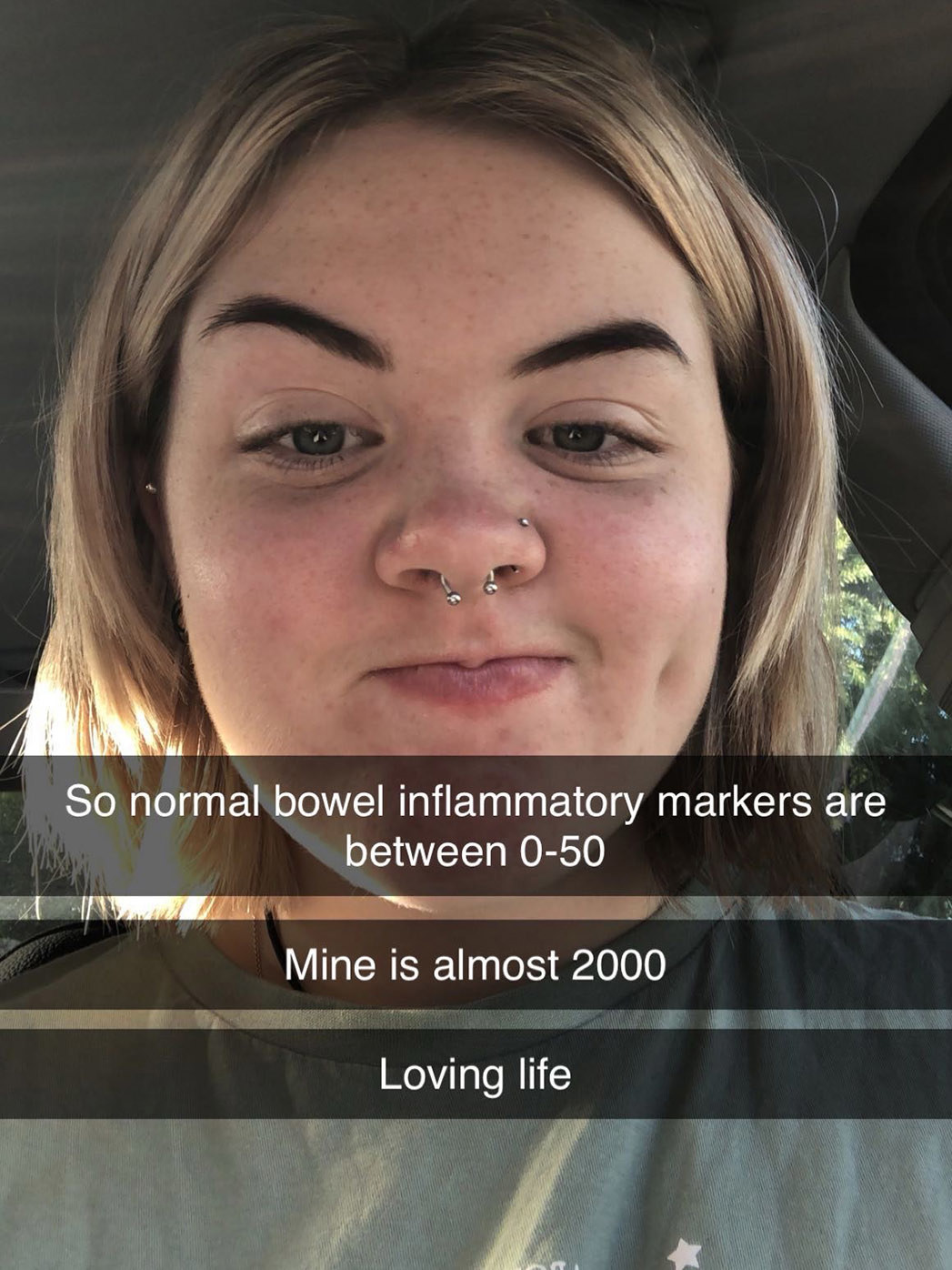
“There’s inflammation everywhere.” After a series of tests, including an MRI and another colonoscopy, Russell was finally diagnosed with Crohn’s disease. She was both relieved and terrified. At just 19, she had to come to terms with managing an incurable disease for the rest of her life—a disease no one even believed she had for years.
It was a bitter pill to swallow, especially while trying to afford treatment. There are a number of treatment options for Crohn’s disease that can reduce inflammation, ease symptoms, and sometimes result in remission. Even after diagnosis, close to half of IBD patients take more than five years to bring their condition under control, and the costs add up quickly.
“It was very expensive trying to pay for all this stuff, and a 19-year-old doesn’t exactly have an abundance of extra money,” she said. And while treatment can help manage symptoms, it’s not a cure. “It was really frustrating too because I was like, why am I not getting better?”
Diagnosis delays can lead to higher healthcare costs, as well as preventable complications and long-term health impacts, emotional strain, social and career issues. As it stands, Aussies with IBD spend about $5900 per year managing the disease, and it costs the economy an estimated $7.8 billion annually.
Though Russell has found a medication that helps manage her symptoms, she will have to pay to stay on top of the disease for the rest of her life. Even medicated, Crohn’s still affects the 21-year-old’s personal and professional life. Russell often has to take time off from her job in childcare or cancel plans with friends when flares make her too sick to leave the house.
“Sometimes I still do get very upset about it,” Russell said. Just disclosing that she has the disease to an employer or new friend can be embarrassing, but she’s learned to live with it. She just wishes it hadn’t taken so long to get a diagnosis and treatment.
Russell suspects she would have been diagnosed sooner if she was a man and urged other young women and girls to be their own advocates if something doesn’t feel right. “Just keep going to the doctor, keep trying new doctors,” she said. “I know it can be expensive, but it’s awful not knowing what is going on, and the relief that you get when you do find out that’s worth it.”
May is CCA’s Awareness month, and this year the not-for-profit is focusing on the cost of delayed diagnosis. Learn more at the CCA website.